Pickup-day inspection checklist
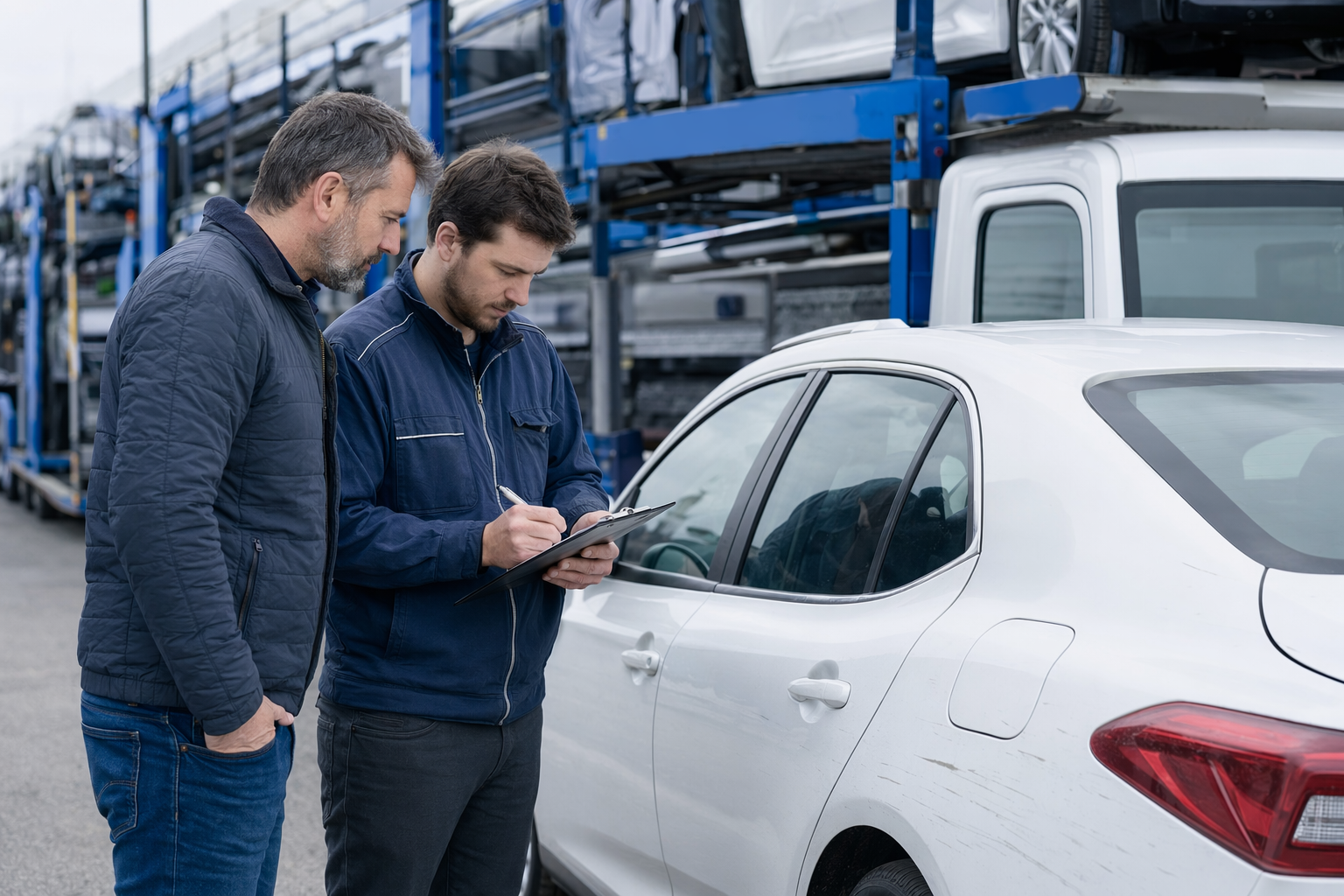
Shipping starts with the route, but pickup day starts with the car’s condition. This free checklist helps you document the vehicle at pickup and delivery so any new damage is on record before you sign off.
What this checklist is for
When a car ships on any lane, the driver or carrier representative will usually note the vehicle’s condition at pickup and again at delivery. Your job is to make that record clear, complete, and time-stamped.
This tool gives you a simple inspection list you can print or keep on your phone. It helps you check the exterior, interior, wheels, glass, lights, and basic vehicle status before the car loads and after it arrives.
You can also download a free PDF version to print and keep with your shipping papers. If you are still comparing options, review how car shipping works and how to vet a car shipping company before you book.
LaneFerry is a free matching service. We connect you with licensed, insured carriers and brokers for your route. You compare options, choose who to book with, and confirm the price and pickup window in writing before booking.
How to use the checklist on pickup day
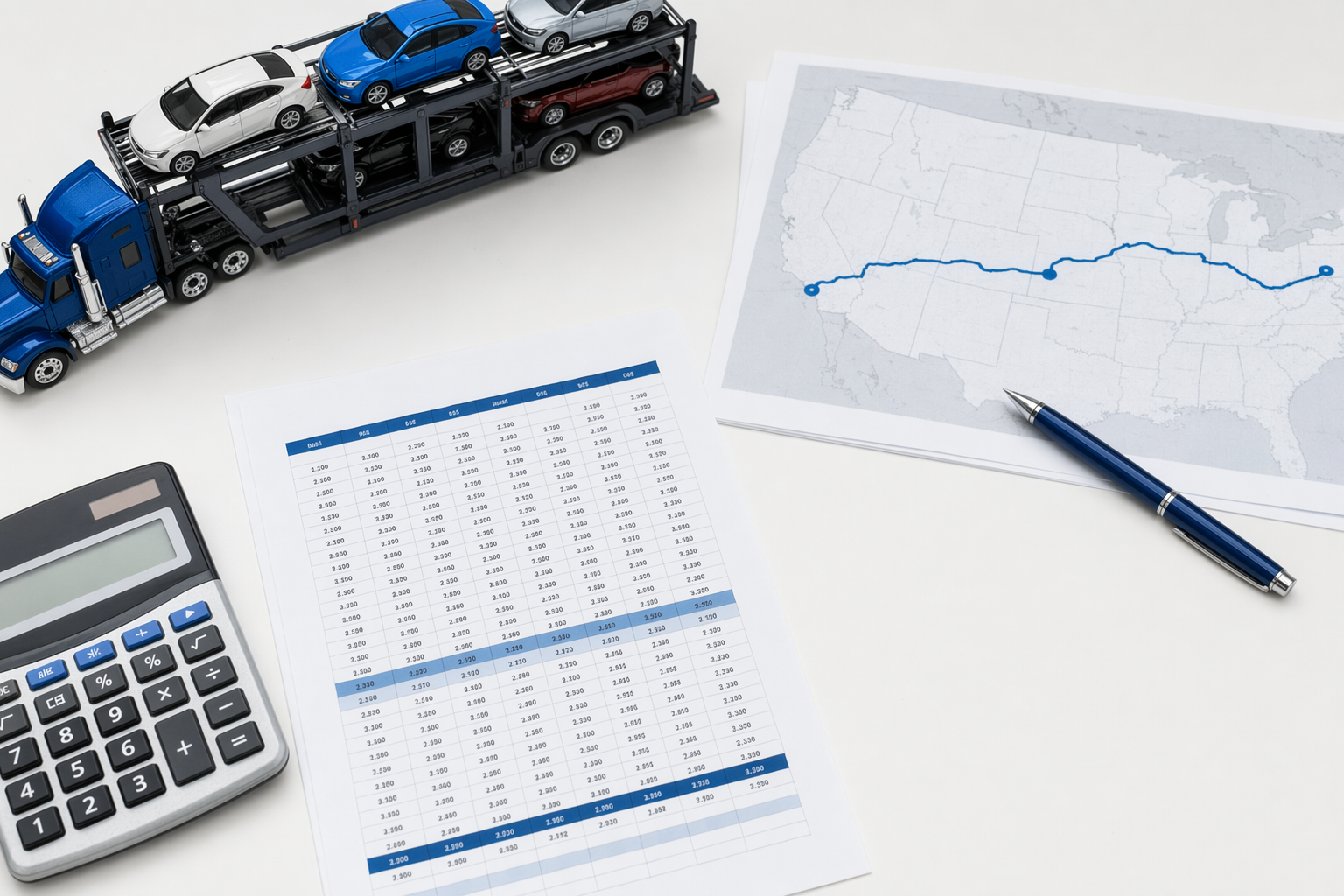
Use the checklist before the car loads. Then use the same list again at delivery in the same order. That makes it easier to spot anything new.
Try to inspect the car in daylight or under strong lighting. If the vehicle is dirty, note that in writing and take photos anyway. Dirt can hide scratches and chips, so clear photos matter.
Keep the process simple:
1. Walk around the car slowly.
2. Take wide photos from all four corners.
3. Take close photos of any existing damage.
4. Note mileage, fuel level, and visible condition.
5. Review the carrier’s condition report or bill of lading before signing.
If you have not booked yet, route and service type affect timing and handling. You can compare door-to-door shipping with terminal options, and review what it costs to see typical price ranges by distance and lane.
Pickup-day inspection checklist
Use this list at pickup and again at delivery.
1. Vehicle basics
- Full name on booking matches the shipment record
- Year, make, model, and color are correct
- VIN matches the vehicle
- License plate number is recorded if applicable
- Pickup and delivery locations are correct
- Odometer reading is noted
- Fuel level is noted, typically about one-quarter tank unless the carrier gives different instructions
- Keys handed over are counted and documented
2. Overall photos and video
- Take photos from front-left, front-right, rear-left, and rear-right corners
- Take straight-on photos of front, rear, driver side, and passenger side
- Take a short walkaround video if possible
- Make sure photos are time-stamped or stored with date metadata
- Capture the roof, hood, trunk, and lower panels if visible
3. Existing exterior damage
- Scratches
- Dents
- Paint chips
- Scuffs
- Cracks
- Rust spots
- Loose or missing trim
- Bumper damage
- Mirror damage
- Panel misalignment
- Previous repair areas you can see
4. Glass and lights
- Windshield chips or cracks
- Side or rear window damage
- Headlight condition
- Taillight condition
- Fog light condition if equipped
- Check for cracked lenses or moisture inside lenses
5. Wheels, tires, and underbody visible areas
- Wheel scratches or curb rash
- Missing center caps
- Tire condition visible at pickup
- Obvious low tire or flat tire condition
- Visible damage near wheel wells
- Any low-hanging parts under front or rear bumpers
6. Interior condition
- Seat tears or stains that are visible
- Dashboard damage
- Broken knobs, screens, or trim
- Strong odors worth noting
- Personal items removed
- Loose items removed from trunk and cabin
- Toll tags and parking passes removed if recommended by the carrier
7. Mechanical and operating status
- Car starts and moves under its own power, if operable
- Existing warning lights are noted
- Battery condition issues are noted if known
- Leaks are disclosed if known
- Alarm instructions are provided if needed
- Convertible top, spoilers, or custom accessories are noted if applicable
8. Documents and signatures
- Review the condition report or bill of lading carefully
- Make sure existing damage is marked clearly, not just described vaguely
- Ask for a copy or photo of the signed pickup record
- Confirm pickup date and expected transit time window
- Confirm delivery contact name and phone number
- Keep all emails and text messages about the route, price, and pickup window
9. At delivery, check again before signing
- Compare the car to your pickup photos
- Look at the same panels and angles in similar lighting
- Check glass, mirrors, wheels, and bumpers closely
- Note any new damage on the delivery record before signing
- Take fresh photos before the car leaves
- Ask the carrier how to submit any condition-related claim paperwork
If the vehicle is not clean enough to inspect well, write that down on the record. If you notice something new at delivery, note it before signing final paperwork. For general prep steps before dispatch, see prepare your car for shipping.
What to watch for before you sign anything
Most pickup days go smoothly, but a rushed handoff is where people miss details. Slow the inspection down. Read the condition report. Make sure marks on the car are shown on the paperwork, not just discussed out loud.
Watch for common problems:
- The driver is in a hurry and asks you to sign before the walkaround
- Existing damage is described too generally
- You are told photos are not necessary
- The final price or pickup window is different from what you were sent in writing
- The company cannot clearly provide the carrier or broker USDOT/MC number
Always verify the carrier’s or broker’s USDOT/MC number and insurance yourself. Confirm the full price and pickup window in writing before booking. Be careful with quotes that are far below the others, pressure to book today, or large upfront deposits.
Need help finding options for your lane? LaneFerry matches customers with licensed, insured carriers and brokers at no cost to the customer. We collect contact and shipment details only. No financial account numbers, SSNs, or payment details.
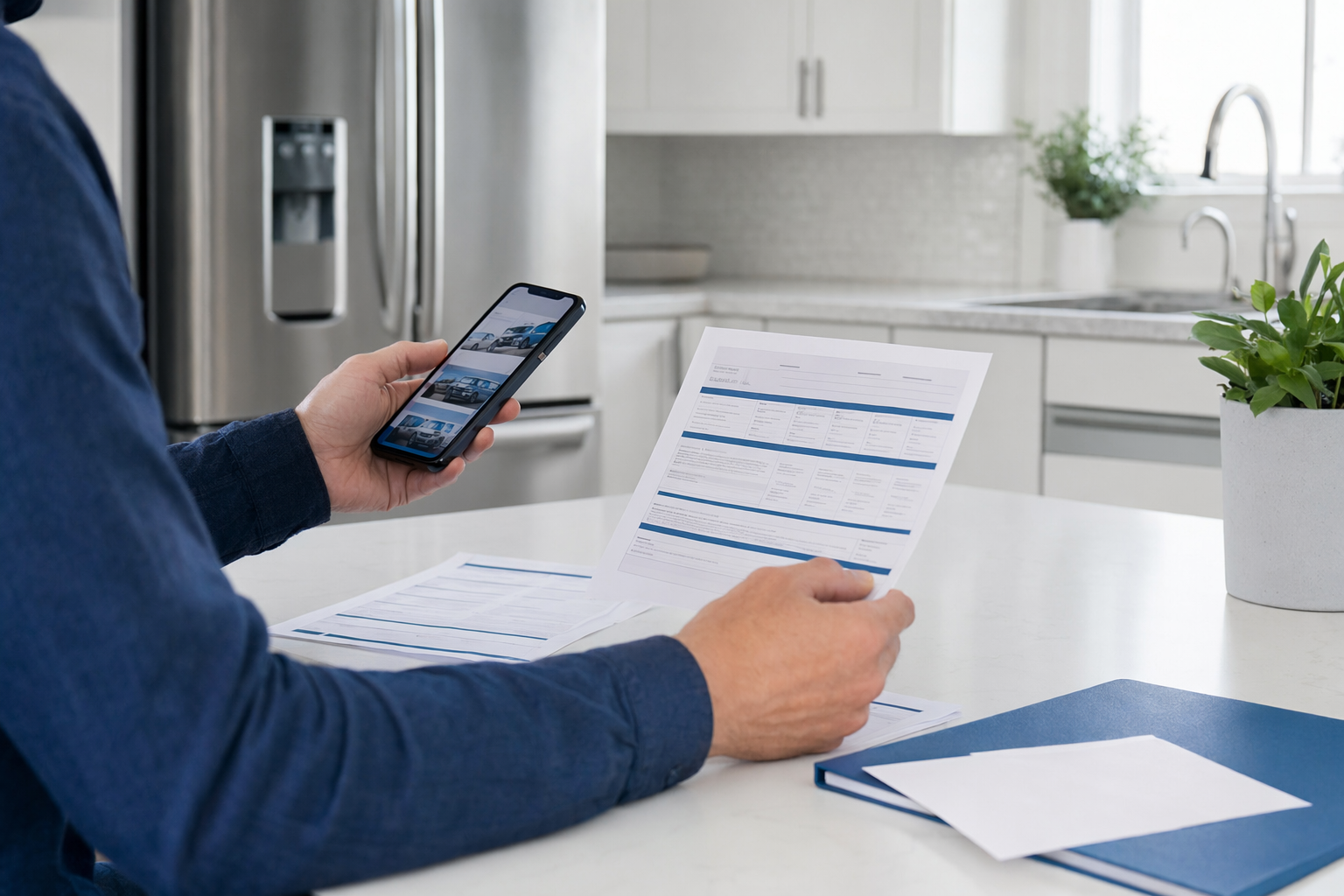
This is a free printable checklist that helps you photograph and note your car’s condition at pickup and delivery so there is a clear record if anything changes in transit.