How much it costs to ship a car
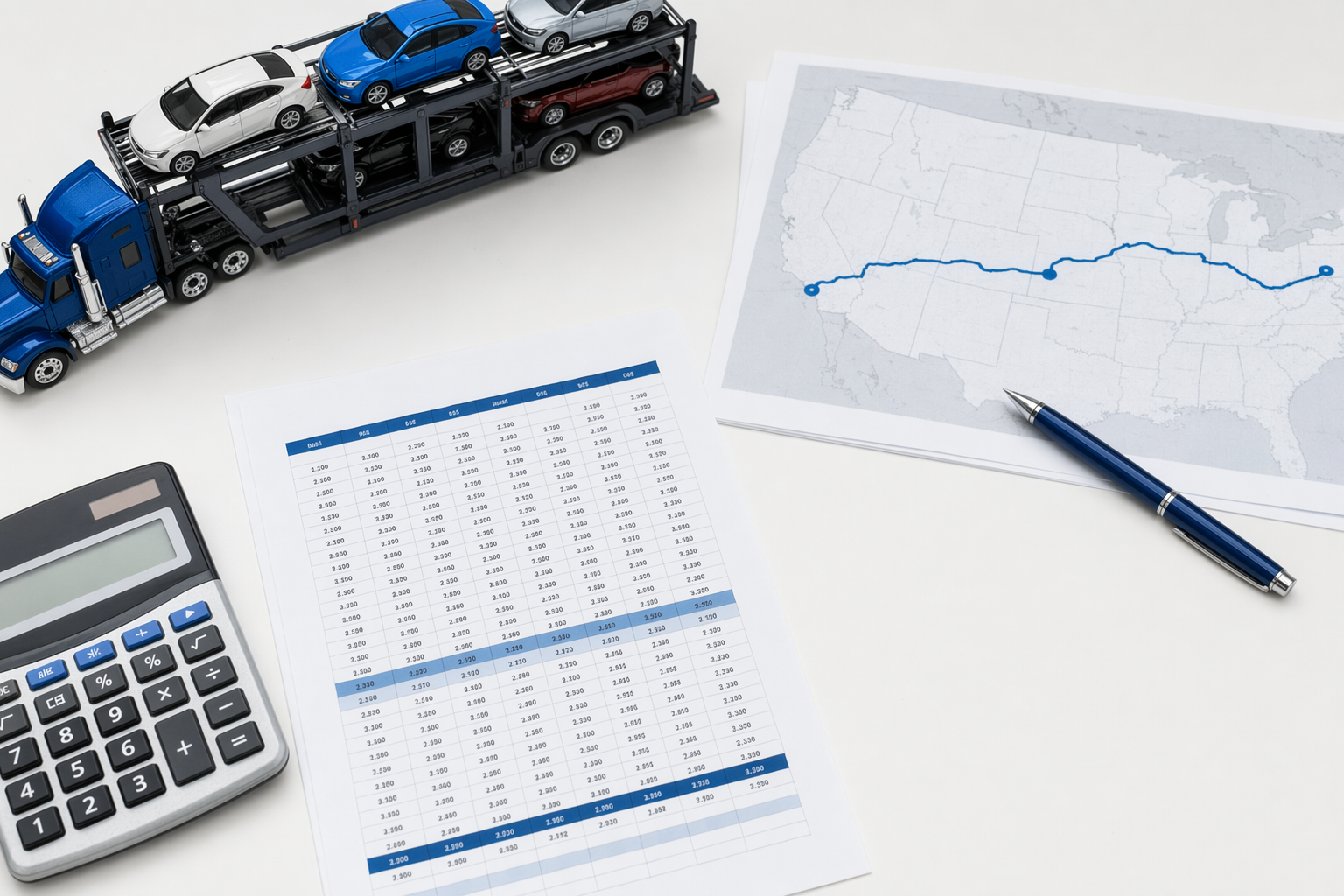
Car shipping cost starts with the route: where the car is going from and to, how far it needs to travel, and how easy that lane is to cover. The final number usually moves up or down based on the vehicle, the season, the pickup window, and whether you choose open or enclosed transport.
What decides the cost to ship a car
The route comes first. A common lane between major cities usually costs less per mile than a remote pickup or delivery. If the truck can stay on a busy interstate lane, pricing is often better than a route that needs extra local miles on each end.
Then come the choices. Open transport is usually the lower-cost option for everyday vehicles. Enclosed auto transport typically costs more because there are fewer enclosed trailers on the road and less space on each truck.
Other things that move the price:
- Vehicle size and weight. Larger SUVs, trucks, and vans usually cost more than sedans.
- Vehicle condition. If it does not roll, steer, or brake, loading takes more work and special equipment may be needed.
- Season and timing. Summer, snowbird season, and holiday periods often cost more.
- Pickup window. Flexible timing usually helps. Rush or expedited pickup can raise the cost.
- Access. Apartment streets, low trees, tight turns, or rural roads can lead to a nearby meeting point instead of true door-to-door.
If you are new to car shipping, it helps to think in this order: route first, then open vs enclosed, then how fast you need pickup. That is usually what moves the number most.
Typical car shipping cost ranges by distance
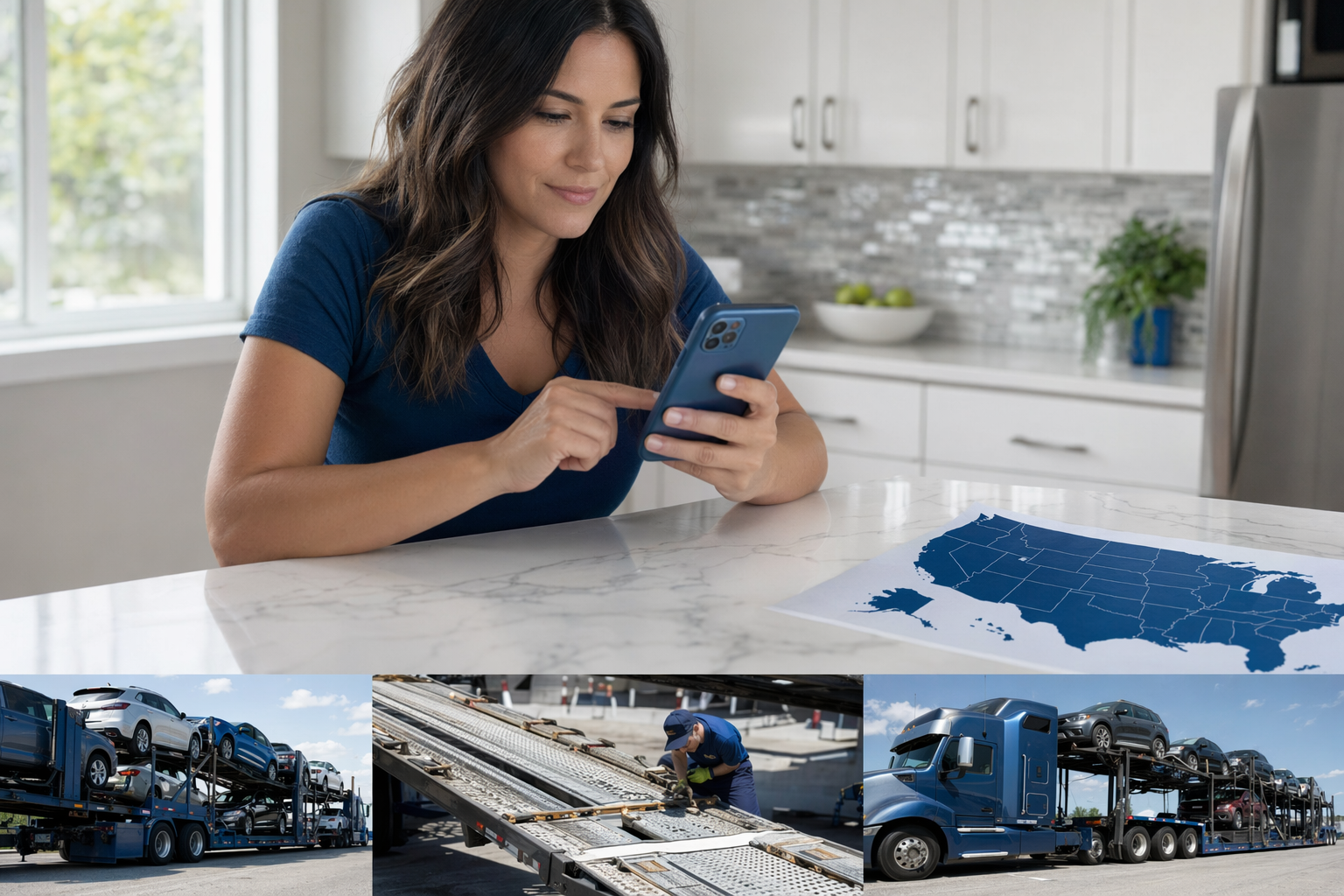
These are general ranges for a standard sedan on an open trailer on a common route. They are estimates, not quotes. Your actual price can vary based on the lane, vehicle, season, and timing.
- 0 to 500 miles: about $400 to $900
- 500 to 1,000 miles: about $700 to $1,200
- 1,000 to 1,500 miles: about $900 to $1,500
- 1,500 to 2,000 miles: about $1,100 to $1,700
- 2,000 to 3,000 miles: about $1,300 to $2,000
For a larger SUV, pickup truck, or van, add roughly $150 to $500 in many cases. For enclosed shipping, many routes run about $300 to $800 higher than open, and sometimes more for specialty vehicles or limited lanes.
Cross-country moves often look expensive as one total number, but the per-mile cost can be lower on long interstate lanes than on shorter, awkward routes. A car going from one major metro to another may price better than a shorter move involving rural pickup, mountain areas, or a low-demand lane.
If you want a closer breakdown of what moves a rate up or down, see what it costs and cross-country shipping.
How the route changes the number
Not every mile is priced the same. A strong lane has regular truck traffic, easy highway access, and enough shipments to keep trailers full. Those routes are usually more competitive. A weak lane has fewer trucks, longer deadhead miles, or pickup and delivery points that are harder for a carrier to reach.
Here is how that plays out in real life:
- Major city to major city: often the best pricing
- Major city to small town: usually higher than city-to-city
- Rural to rural: can cost more and may have fewer scheduling options
- Snowbird and seasonal lanes: can rise during peak demand
- Last-minute bookings: often cost more because fewer trucks are available
Door-to-door usually means as close to your addresses as a carrier can safely and legally get. If your street is too tight or restricted for a truck, the driver may ask to meet at a nearby parking lot, shopping center, or truck-friendly road. That is normal and can help avoid delays.
If timing matters more than price, a tighter pickup window or expedited shipping may help, but it usually increases the estimate. If price matters more, giving a wider pickup window often improves your options.
Open vs enclosed, door-to-door vs terminal
Most people ship on open transport because it is the standard option and usually the most affordable. It works well for everyday cars, commuter vehicles, and most SUVs. Enclosed transport is more common for classic, exotic, luxury, or very low-clearance vehicles that need more protection from weather and road debris.
Typical trade-offs:
- Open: lower cost, more available carriers, common on most lanes
- Enclosed: higher cost, fewer trailers, often chosen for higher-value vehicles
- Door-to-door: more convenient, usually the default request on many lanes
- Terminal: may lower cost in some markets, but not always, and it can add inconvenience
For many people, the real decision is open vs enclosed. Door-to-door is usually about access and convenience more than a huge price difference. On some routes, terminal options are limited or may not save much after you factor in your own time and local travel.
If you are comparing service types, read how car shipping works before you book. It will make the quote details easier to compare.
How to compare quotes without getting overcharged
Get a few estimates for the same route and the same timing. Use the same vehicle details each time. Then compare what is actually included, not just the lowest number.
Check these points in writing before you book:
1. Total price or pricing method
2. Pickup window, not just an ideal pickup date
3. Estimated transit time range
4. Open or enclosed trailer type
5. Door-to-door or nearby meeting point
6. Whether the vehicle must be operable
7. Cancellation terms and any deposit terms
8. Insurance details and who the carrier or broker is
Watch for common scam signs and overcharging tactics:
- A quote far below the others with no clear reason
- Pressure to book today or lose the price
- A large upfront deposit before a carrier is confirmed
- No USDOT or MC number provided
- Vague answers about insurance or pickup timing
LaneFerry is a free matching service. It helps you compare licensed, insured carriers and brokers, often with help available in your own language. You choose who to book with. Before booking, verify the company's USDOT/MC number and insurance yourself, and confirm the final price and pickup window in writing. You can also use this checklist on how to vet a car shipping company.
A simple way to budget for your shipment
If you are planning ahead, start with the route and build a realistic range instead of expecting one fixed price. For a standard car on open transport, use the distance ranges above as a starting point. Then add room in your budget if any of these apply: larger vehicle, enclosed trailer, rural pickup or delivery, non-running condition, or a short pickup window.
A practical rule is to expect a normal range, not a single exact number. If most estimates cluster around one band, that is usually more useful than chasing the cheapest offer. A very low price can mean delays, surprise fees, or a bait-and-switch once you are ready to ship.
Before pickup, prepare the car early. Remove personal items, keep only about a quarter tank of gas, and take photos at pickup and delivery. That helps the process go more smoothly and avoids last-minute issues that can affect dispatch. If you need a prep checklist, see prepare your car for shipping.
When you are ready, submit your contact and shipment details only. Do not send bank information, card numbers, or SSNs through a quote form. A legitimate matching request only needs the route, vehicle, timing, and your contact information.
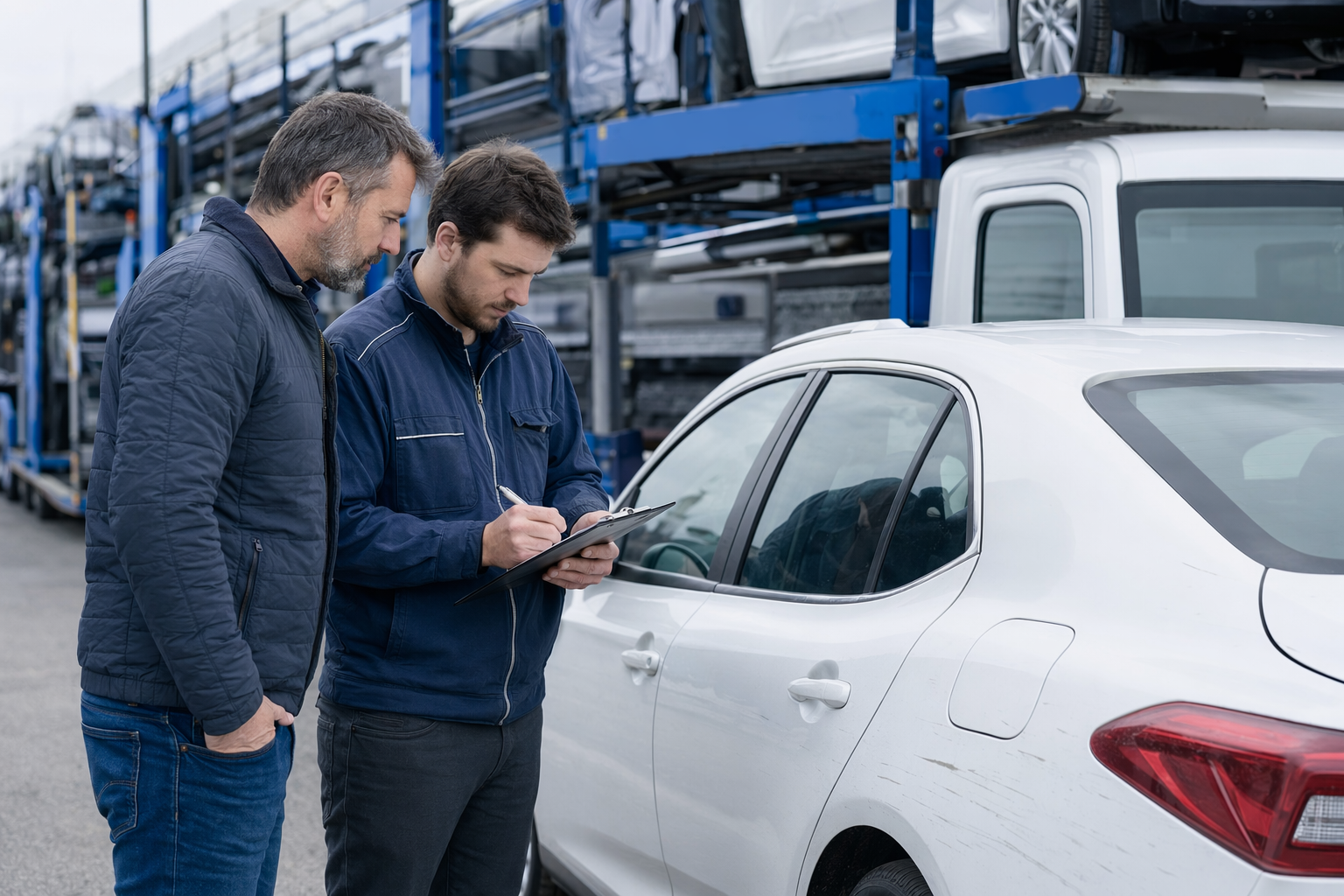
Car shipping price depends mostly on your route, your vehicle, and how flexible you are, so compare a few written estimates and verify the company's USDOT/MC number and insurance before you book.