Expedited car shipping
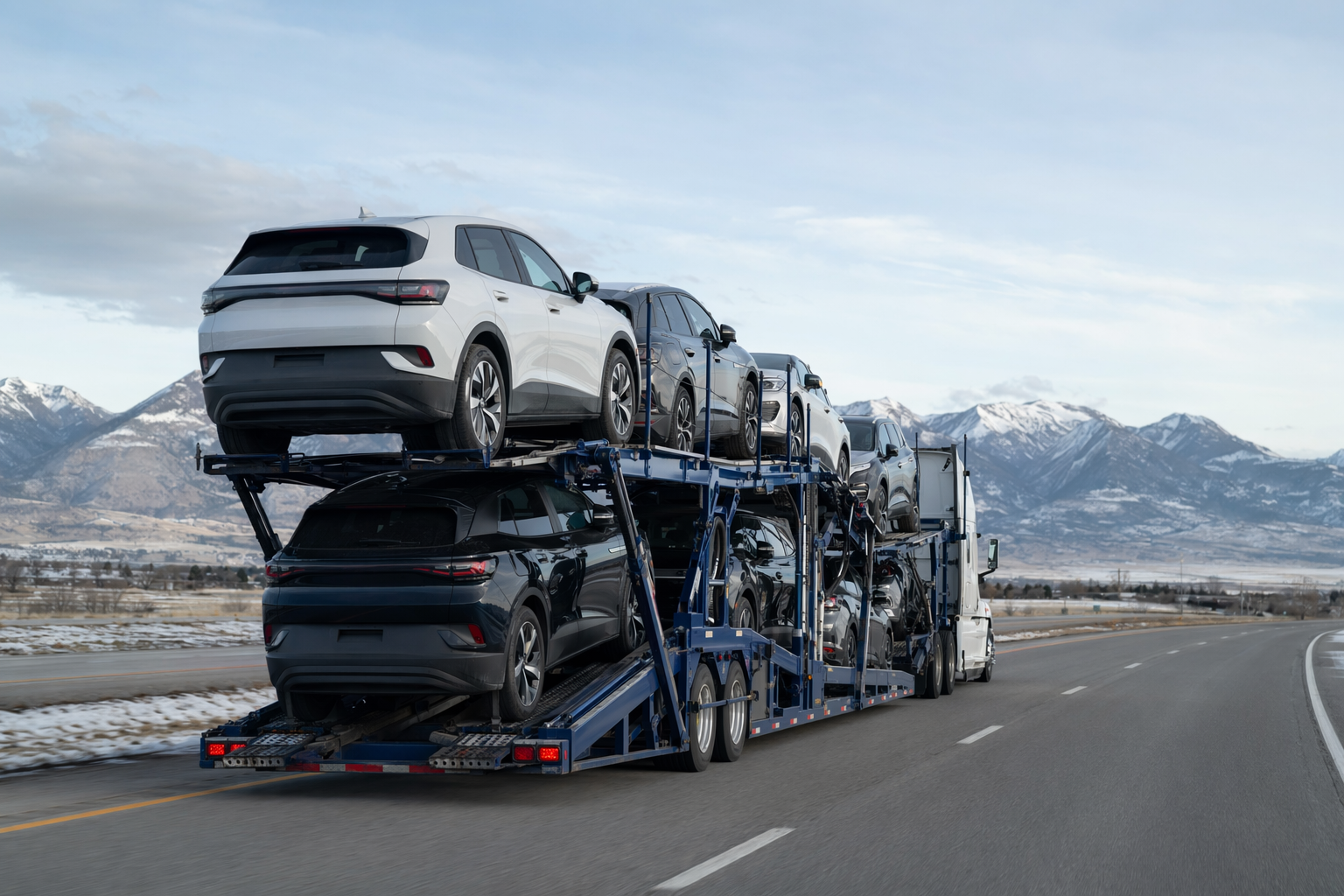
Expedited car shipping is for a tighter lane and a shorter pickup window. You pay for priority dispatch, but the real price and transit time still depend on the route, vehicle, season, and timing.
What expedited car shipping means
Start with the route. Where is the car going from, and where is it going to? Expedited shipping usually means the carrier or broker treats your lane as a priority and works to secure pickup faster than a standard order.
It does not mean instant pickup or guaranteed delivery. In most cases, it means a shorter pickup window, quicker dispatch attention, and fewer scheduling delays if a truck is available on your route.
Most expedited orders still move on open transport. If you need extra vehicle protection as well as a tighter timeline, you may compare it with enclosed auto transport, but enclosed space is usually more limited and can cost more.
LaneFerry is a free matching service. We do not move vehicles or broker shipments. We collect your contact and shipment details, then connect you with licensed, insured carriers and brokers so you can compare options and choose what fits your route.
Who expedited shipping is for
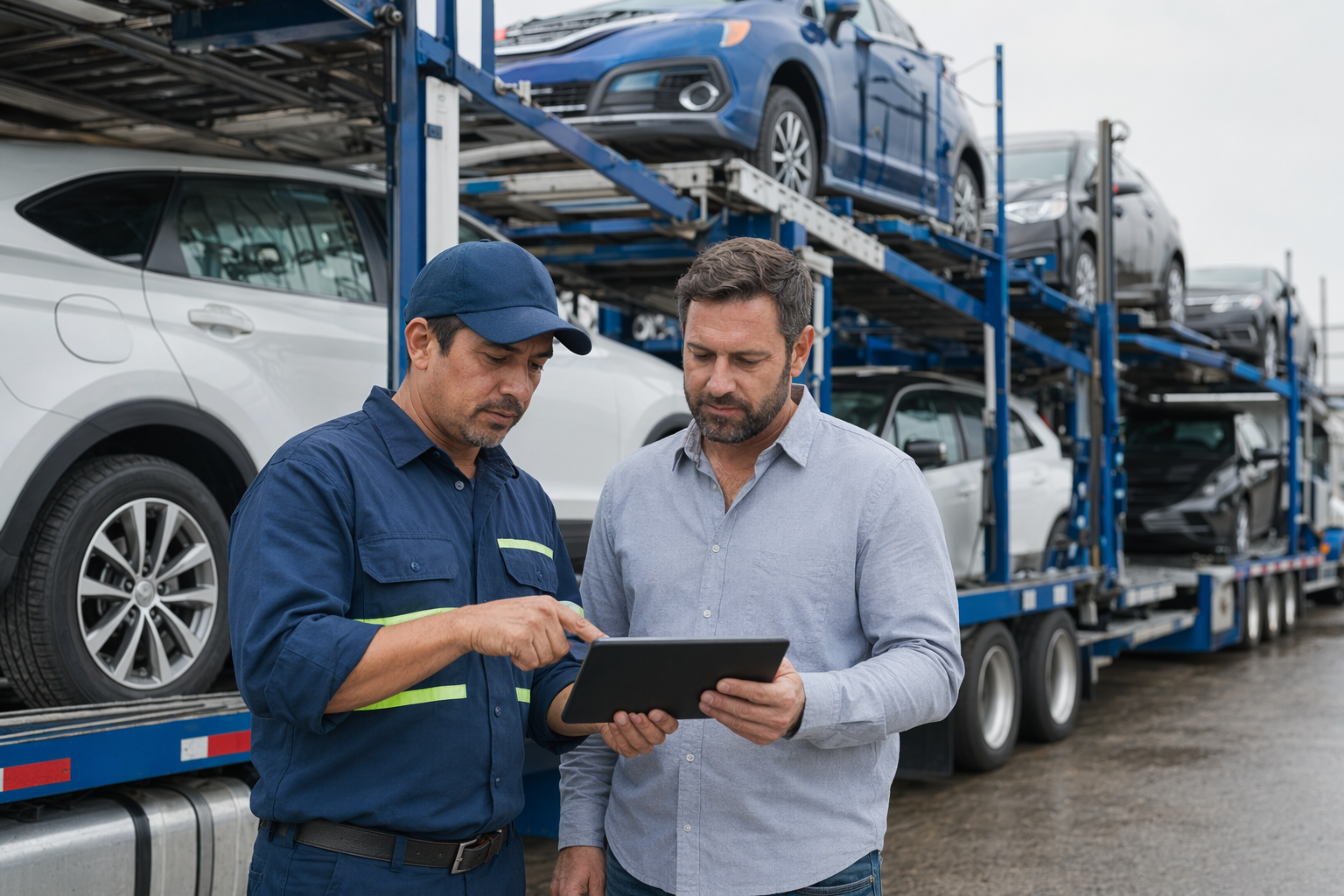
This option is usually for people who cannot wait through a normal pickup window. The common reason is timing, not the type of car.
Expedited shipping may make sense if:
- you are relocating for a job and need the car on the road soon
- you bought or sold a vehicle and the handoff date is close
- your student move, military move, or lease deadline is coming up
- your standard shipment was delayed and you need a faster new plan
- you are arranging shipping from another city or from outside the US and want a tighter schedule
If your dates are flexible, standard shipping is often the better value. Expedited service usually adds cost because dispatch has less time to work the lane and may need to offer carriers a higher rate to pick up sooner.
How the route affects cost and pickup speed
The lane matters more than the label. A busy route between major metro areas is usually easier to expedite than a rural pickup or a less common cross-state lane. Trucks run common routes more often, so there may be more capacity to find a faster pickup.
A shorter route is not always cheaper or faster to expedite. If the vehicle is outside a common truck lane, the price can rise because the carrier may need to make extra miles to reach it. Door-to-door service is common, but exact street access still depends on truck size and local restrictions. If needed, the carrier may suggest a nearby safe meeting point. You can read more about door-to-door shipping.
Typical expedited cost ranges by distance are estimates only:
- about 0 to 500 miles: $500 to $1,000
- about 500 to 1,000 miles: $800 to $1,400
- about 1,000 to 2,000 miles: $1,100 to $1,900
- cross-country lanes: $1,400 to $2,500+
These are not quotes. The real number depends on the route, vehicle size, operable condition, open vs enclosed trailer, season, and how quickly you need pickup. Last-minute orders and rural locations usually cost more. For broader pricing context, see what it costs.
How expedited shipping works, step by step
The process is simple, but timing matters. The more exact your route and dates, the easier it is for a licensed carrier or broker to judge whether your order can move quickly.
- Share the route, vehicle, and timing. Usually that means pickup city, delivery city, vehicle year/make/model, whether it runs, and your target pickup window.
- Get matched with licensed, insured carriers and brokers for that lane.
- Compare the offers. Look at the estimated price range, the pickup window, and whether it is open or enclosed.
- Verify the company's USDOT/MC number and insurance yourself.
- Confirm the total price and pickup window in writing before you book.
If the car needs to move coast to coast, you may also want to compare cross-country car shipping to understand typical lane timing. Expedited service can shorten the pickup side of the schedule, but transit time on a long route still depends on distance, weather, truck availability, traffic, and other stops already on the load board.
LaneFerry's matching service is free to the customer. We only collect contact and shipment details so you can compare options. We do not collect bank details, card numbers, or Social Security numbers.
Typical pickup windows and transit times
For expedited shipping, the main change is usually the pickup window. A standard order may take several days to dispatch on some lanes. An expedited order may aim for pickup in about 1 to 3 days on a common route, though some lanes can be faster and some take longer.
Transit time is separate from pickup speed. After pickup, the truck still has to run the route. Typical transit windows might look like this:
- shorter regional lanes: about 1 to 3 days after pickup
- mid-distance lanes: about 3 to 6 days after pickup
- longer interstate lanes: about 5 to 8 days after pickup
- cross-country lanes: about 7 to 10+ days after pickup
These are typical windows, not guarantees. Expedited shipping helps prioritize dispatch, but it does not remove weather, traffic, mechanical issues, route changes, or delivery sequencing.
If someone promises a guaranteed date without clear written terms, be careful. It is better to get an honest pickup window and a realistic transit estimate than a low quote or a fast promise that does not hold up.
Pros, cons, and common mistakes
The main benefit is speed on the front end. If the lane is active and your budget allows it, expedited shipping can reduce waiting and make planning easier.
Pros:
- shorter pickup window on many routes
- helpful for urgent moves, sales, job starts, and school deadlines
- may reduce uncertainty if your standard order has not been picked up
- often available with door-to-door service
Cons:
- higher cost than a standard order on the same lane
- limited truck space can still affect timing
- rural pickups and uncommon routes may still move slowly
- expedited does not mean guaranteed delivery
Watch for overcharging and scams:
- a quote far below the others, then a big price jump later
- pressure to book today or lose the truck
- a large upfront deposit without clear written terms
- no USDOT/MC number or no proof of insurance
- vague answers about the pickup window or route
Before booking, verify the company's USDOT/MC number and insurance yourself, and confirm the full price and pickup window in writing. For a simple checklist, see how to vet a car shipping company.
How to book expedited shipping through free matching
Start with the route and timing. The more clearly you describe the lane, the better the match. Give the pickup and delivery locations, vehicle details, whether it runs, and the earliest date the car can be available.
Then compare the options you receive. Look at three things first: price range, pickup window, and trailer type. If one offer is much lower than the rest, ask why. A realistic offer is usually better than a number that changes at dispatch.
Before you choose anyone, verify the USDOT/MC number and insurance yourself and ask for the price and pickup window in writing. Also confirm what happens if pickup slips, whether the route is door-to-door or a nearby meeting point, and how the vehicle condition will be documented at pickup and delivery.
When you are ready, use get matched. LaneFerry's service is free, and help is often available in more than one language so you can compare options with less stress.
Expedited car shipping can get your car picked up sooner on many routes, but it usually costs more and still is not a guaranteed delivery service.