Door-to-door car shipping
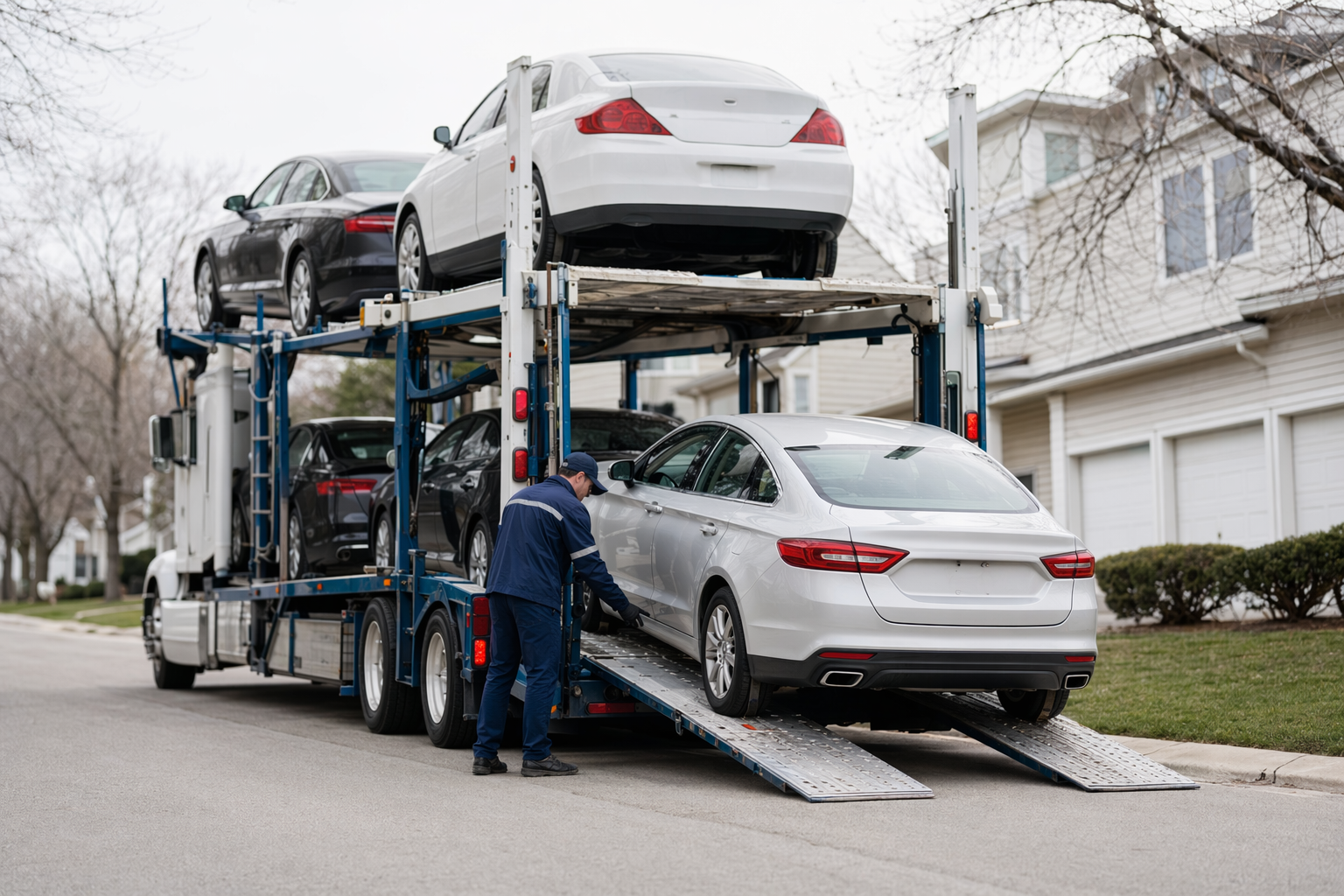
Door-to-door car shipping means the carrier picks up and delivers your vehicle as close to your address as a truck can safely and legally reach. It is usually the easiest option for most interstate and cross-country routes, but the real cost and pickup window still depend on the lane, vehicle, season, and timing.
What door-to-door car shipping means
Start with the route. Your car ships from one address area to another, and the carrier aims to meet you as close to each address as road rules, truck size, and safety allow.
In practice, that often means pickup at your home, apartment entrance, office, or a nearby wide street, parking lot, or shopping center if the truck cannot get into your block. Delivery works the same way. The driver does not promise a tire-on-the-driveway stop if low branches, tight turns, narrow streets, HOA rules, or city restrictions make that unsafe.
This is different from terminal shipping, where you drop the vehicle at a storage lot or transport terminal and collect it later. If you want the simplest handoff, door-to-door shipping is usually the first option to compare.
Who this option is best for
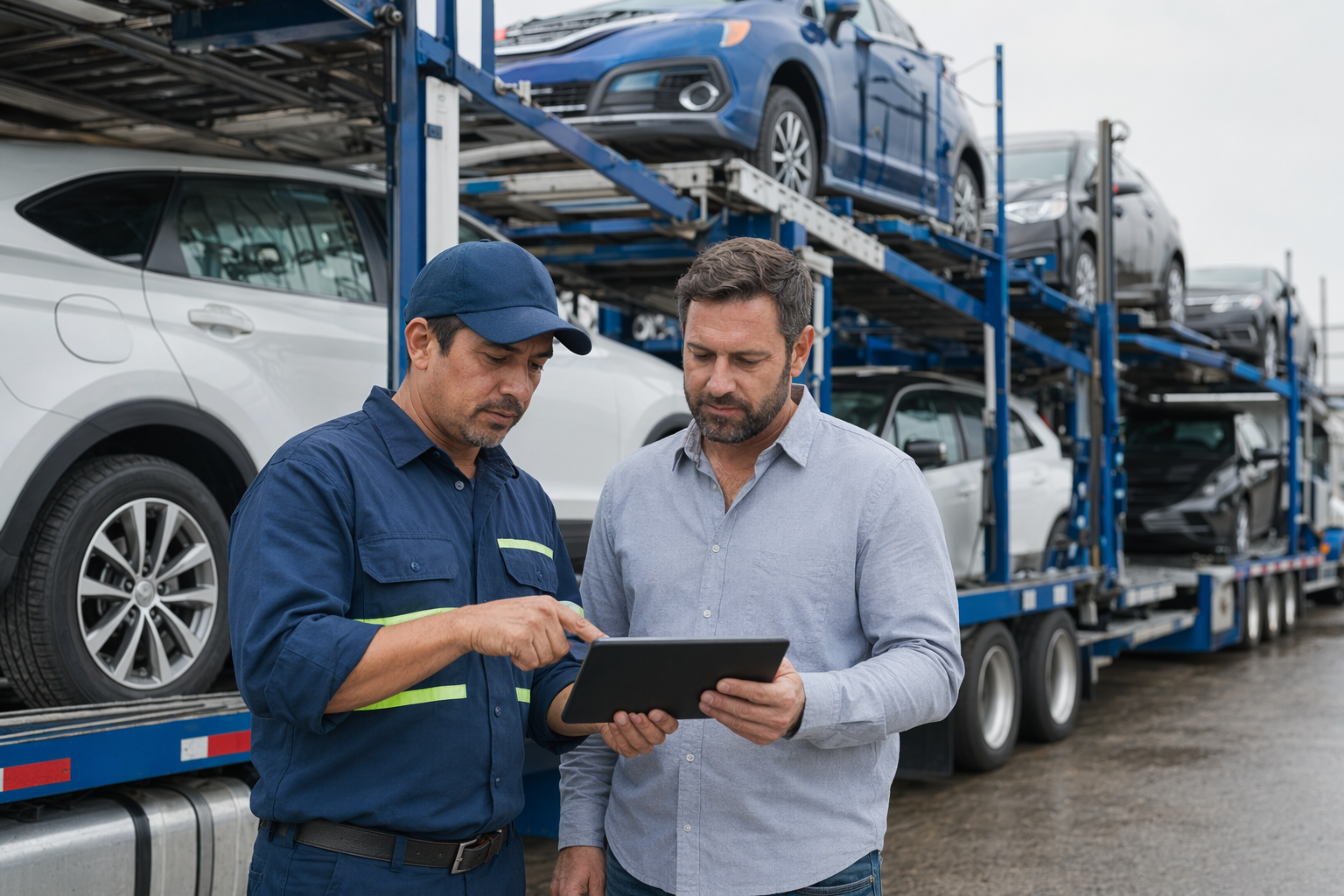
Door-to-door works well for people who want fewer steps in the move. If you are relocating for work, shipping a car to college, sending a vehicle to family, buying a car from another state, or arranging transport from another city or country, this option usually saves time.
It is also a practical choice if you are new to the US and do not want to sort out an unfamiliar terminal location, storage rules, or extra local rides. Many customers prefer it because there is one pickup point, one delivery point, and a clear pickup window.
It may be less ideal if your street is hard for a large truck to access and you do not want to meet nearby, or if you are comparing every dollar and a terminal handoff might lower the total on some lanes. For a broader view of the process, see how car shipping works.
How the route and handoff usually work
Route first, then the handoff. Once you submit your shipment details, LaneFerry matches you for free with licensed, insured carriers and brokers that run your lane. You compare options, ask questions, and choose the company you want to book with. LaneFerry does not move vehicles or broker shipments.
The company you choose will confirm an estimated price range, service type, and pickup window. Before booking, ask for the USDOT/MC number, verify insurance yourself, and confirm the price and pickup window in writing.
Typical door-to-door steps:
1. Share contact and shipment details only. That means origin, destination, vehicle, timing, and whether it runs.
2. Compare matched options for your lane, including open transport or enclosed service if needed.
3. Book with the company you choose after you verify licensing, insurance, and written terms.
4. Meet the driver at pickup, inspect the vehicle, and note its condition on the bill of lading.
5. Meet the driver at delivery or at a nearby safe meeting point if the truck cannot reach your exact address.
If your route includes a dense downtown area, mountain roads, low trees, or apartment access limits, expect the final handoff point to be close by rather than exact. That is normal for door-to-door service.
Open vs enclosed on a door-to-door lane
Door-to-door describes the handoff. Open vs enclosed describes the trailer. You can book either on many routes.
Open transport is the standard choice for most daily drivers. It usually costs less and has more truck availability on common interstate lanes. Enclosed transport is often chosen for classic, exotic, luxury, or specialty vehicles that need more protection from weather and road debris. Learn more about enclosed auto transport.
Typical difference in cost: enclosed service often runs about 30% to 60% more than open on the same lane, though the exact gap depends on route, vehicle size, season, and timing. Availability can also be tighter for enclosed service, so the pickup window may be wider on some routes.
Typical cost ranges and transit times
The lane matters most. A short regional route usually costs less than a long cross-country route, but major interstate lanes with steady truck traffic can price better than remote pickups and deliveries.
Typical door-to-door open transport ranges for a standard sedan on common routes:
- 0 to 500 miles: about $500 to $900
- 500 to 1,500 miles: about $700 to $1,300
- 1,500 to 2,500+ miles: about $1,000 to $1,800
Typical enclosed door-to-door ranges for a standard sedan on common routes:
- 0 to 500 miles: about $800 to $1,300
- 500 to 1,500 miles: about $1,100 to $2,000
- 1,500 to 2,500+ miles: about $1,500 to $2,800
Typical transit times also vary by lane:
- Short routes: about 1 to 3 days in transit
- Mid-distance routes: about 3 to 6 days in transit
- Cross-country routes: about 5 to 10 days in transit
Those are estimates, not quotes. The real number depends on the route, vehicle size and condition, season, weather, fuel, and how tight your timing is. Remote areas, oversized vehicles, non-running vehicles, and expedited requests usually cost more. For more route-based examples, see what it costs.
Pros, trade-offs, and common problems to avoid
Main advantages of door-to-door shipping:
- Fewer steps for you
- No terminal drop-off or pickup in most cases
- Easier if you are moving, busy, or coordinating from far away
- Often the most practical choice on common interstate lanes
Main trade-offs:
- The truck may meet you near your address, not exactly at it
- Price can be a little higher than terminal service on some lanes
- Pickup windows are still windows, not exact appointment guarantees
- Tight urban streets or remote roads can add delay or require flexibility
Watch for these red flags when comparing companies:
- A price far below the others on the same lane
- Pressure to book today
- A large upfront deposit before clear written terms
- No USDOT/MC number or vague insurance answers
- Refusal to confirm the pickup window and total price in writing
Use a simple rule: compare a few options, check the USDOT/MC number and insurance yourself, and do not rely on verbal promises. If you want a checklist, see how to vet a car-shipping company.
How to book through LaneFerry's free matching service
LaneFerry helps you compare door-to-door options for your route at no cost to you. You submit contact and shipment details only, then review matched carriers and brokers that serve your lane. You decide who to contact and who to book with.
To get better matches, be specific about the route, vehicle, and timing. Include whether the car runs, whether your street has truck access limits, and whether you need open or enclosed service. If your move date is flexible by a few days, that can widen your options.
Before you book, confirm these points in writing with the company you choose:
- Total price and what it includes
- Estimated pickup window
- Open or enclosed trailer type
- Any extra charge for a non-running, oversized, or modified vehicle
- The likely meeting point if your exact address is not truck-accessible
When you are ready, start with get matched. The matching service is free, and help is often available in more than one language.
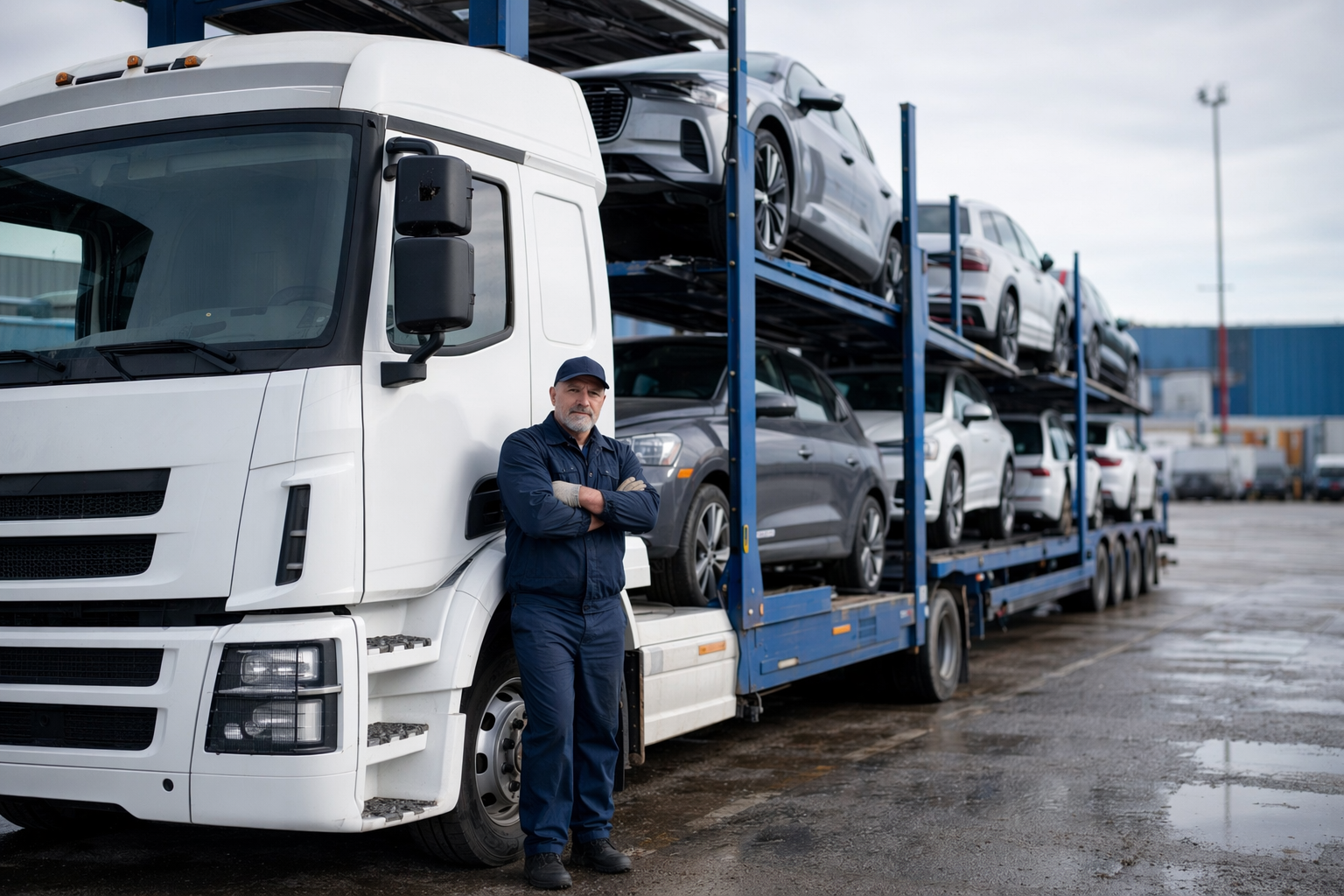
Door-to-door car shipping is usually the easiest way to move a car because the truck meets you near your addresses, but you should still compare options, verify the company's USDOT/MC number and insurance, and confirm the price and pickup window in writing before you book.