How to vet a car-shipping company
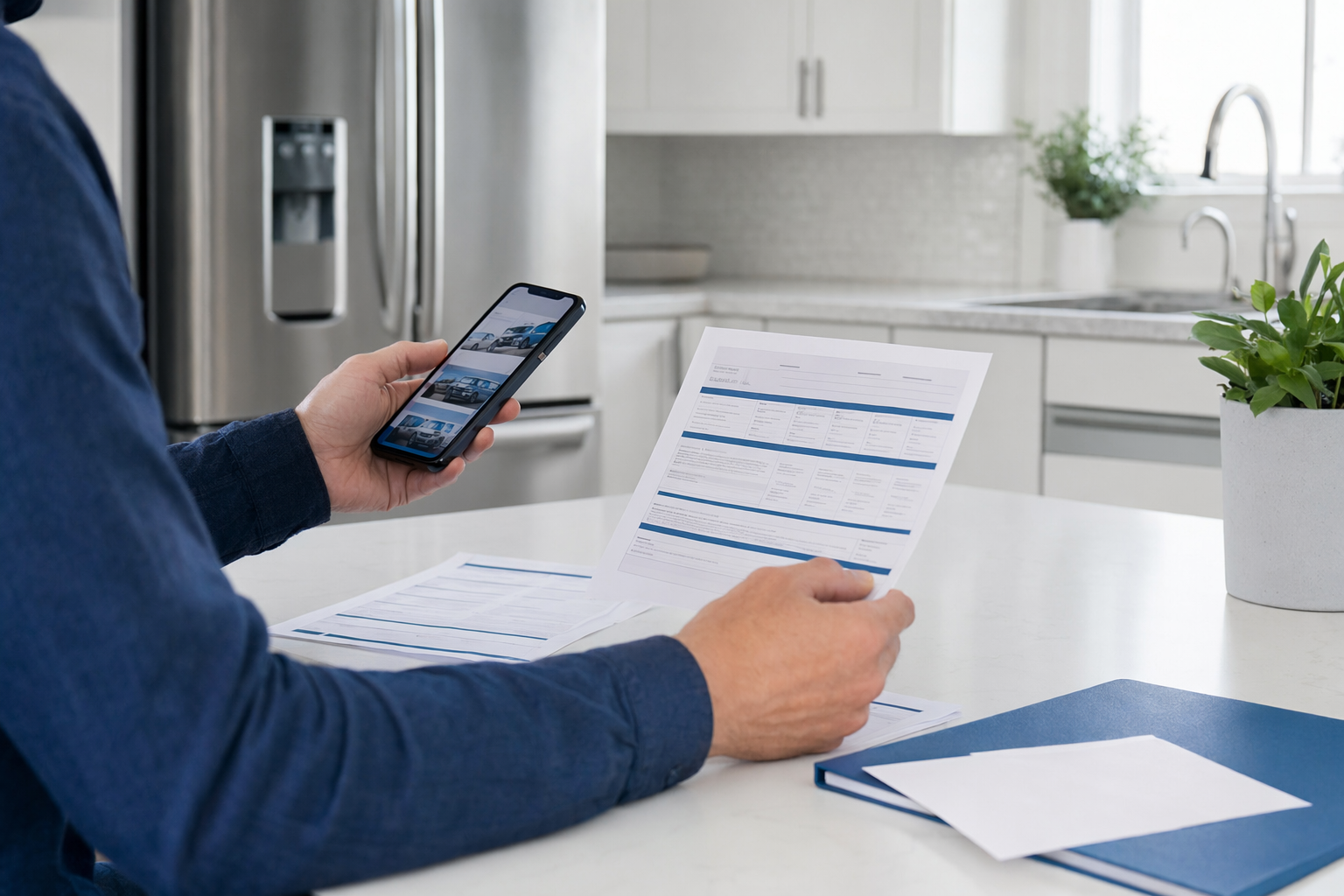
Start with the company, not the price. Before you book any car shipment, check the company’s authority, insurance, pickup terms, and communication so you know who you are dealing with on your route and what is actually included.
Check what kind of company you are dealing with
On any route, the first question is simple: are you speaking with a carrier or a broker. A carrier owns or operates the truck that may move the car. A broker arranges the shipment with a carrier. Both can be legitimate, but you should know which one you are hiring and what role they will play on your lane.
Ask them to say it plainly in writing. Ask: Are you the carrier on this route, or are you arranging it through a carrier. If they are a broker, ask when your job usually goes to dispatch, how the pickup window works, and whether the final carrier details are shared before pickup.
A normal answer is specific and easy to follow. A vague answer is a warning sign. If a company avoids saying whether it is a carrier or broker, or keeps changing the story, move on.
If you are still learning the process, review how car shipping works first. It will make the vetting steps easier to follow.
Verify the USDOT or MC number yourself

Do not rely on a logo, a website, or a sales rep’s promise. Ask for the company’s USDOT number and, if they have one, their MC number. Then check those numbers yourself in FMCSA records before you book.
Match the record to the company name, phone number, and website you were given. Check that the authority is active where required, and that the business type shown fits what they told you. If they said they are a carrier, the record should support that. If they said they are a broker, the record should support that.
Watch for these red flags:
- No USDOT or MC number when asked
- A number that belongs to a different company
- Recently changed company names with no clear explanation
- A phone rep who pressures you to skip verification
- A website with no physical business details or no clear company identity
Also look at how long the company appears to have been operating under that identity. New authority is not automatic proof of a scam, but brand-new records plus a very low quote and a large deposit is a risky mix. For more detail, see how to vet a car-shipping company.
Confirm insurance and ask what is actually covered
Every shipment should come with clear insurance information from the company you book with and, if different, from the carrier that picks up your vehicle. Ask for proof of insurance and verify it yourself. Confirm the policy is current and ask for the insurer name, coverage amount, and the policy holder listed on the certificate.
Then ask practical questions, not legal ones. Is the vehicle covered during loading, transit, and unloading. Are personal items in the car covered. Is there a deductible. How are claims reported, and what paperwork is needed at pickup and delivery. Get the answers in writing.
The bill of lading matters here. That is the condition report you sign at pickup and delivery. If there is damage, the inspection notes and photos are often the first thing people look at. Before pickup, take clear timestamped photos from all sides, plus close-ups of existing marks.
Do not assume all coverage is the same. Open transport is common and usually costs less. Enclosed transport usually costs more and is often chosen for higher-value, classic, exotic, or very sensitive vehicles. If you are comparing those options, read open transport and enclosed auto transport. Always confirm coverage and terms directly with the company involved before booking.
Read reviews the useful way, not the lazy way
A few star ratings are not enough. Look for patterns across many reviews and across more than one platform. You are not trying to find a perfect company. You are trying to see how they handle the route, the pickup window, communication, added charges, and problems.
Read the middle reviews, not just the best and worst ones. A useful review mentions the lane, the pickup timing, whether the price changed, how updates were handled, and whether the vehicle arrived as expected. Reviews that say only "great service" or only "worst ever" tell you very little.
Look for repeat complaints about the same issue:
- Quote starts low, then rises at dispatch
- Pickup window keeps slipping with no clear updates
- Large nonrefundable deposit before a carrier is assigned
- Phone calls stop once the order is placed
- Damage complaints with no clear claims process
One or two bad reviews in a large sample is normal. A pattern of the same complaint is not. Also be careful with reviews that sound copied, use the same wording, or appear in a sudden cluster. Those can be manipulated.
Compare the quote, the pickup window, and the terms together
The route drives the number. A short, common lane may have more trucks and more pricing competition. A long cross-country lane, a rural pickup, a larger vehicle, or a tight schedule can all raise the range. That is why you should compare at least three offers on the same route and timing.
Typical pricing for standard sedans on common lanes often lands around these ranges:
- Short interstate routes: about $500 to $900
- Mid-distance routes: about $700 to $1,200
- Cross-country routes: about $1,000 to $1,700
- Enclosed transport often adds roughly 30% to 60%
- Expedited pickup usually costs more than a flexible pickup window
Those are estimates, not quotes. The real number depends on the route, vehicle, season, and timing. A very low quote compared with the rest is one of the most common warning signs. Sometimes it is used to win the order first, then raise the price when the shipment reaches dispatch and needs an actual truck.
Ask every company the same questions and compare the answers side by side:
1. What is included in the price range.
2. What is the pickup window.
3. Is the deposit refundable, and under what conditions.
4. Can the price change after booking.
5. When will carrier details be shared.
6. What happens if pickup is delayed.
Before you agree, get the price range, pickup window, cancellation terms, and vehicle condition requirements in writing. You can compare broader route pricing on what it costs or start a free match request at get matched.
Know the scam signals before you hand over your contact details
Most problems show up early if you know what to look for. Scam and overcharging tactics in auto transport are usually simple. The quote is far below the others. The rep pushes you to book today. The deposit is large and urgent. The company identity is hard to verify. The paperwork is thin or inconsistent.
Be cautious if you hear any of these:
- "This price is only good for the next hour"
- "Do not worry about the USDOT or MC number"
- "We guarantee pickup tomorrow" on a difficult route with no written terms
- "Pay a big deposit now and we will sort out the details later"
- "The driver will explain insurance when he gets there"
LaneFerry is a free matching service. We do not move vehicles or broker shipments. We connect customers with licensed, insured carriers and brokers so you can compare options for your route. You choose who to speak with, and you should still verify the USDOT or MC number, insurance, and written terms yourself before booking.
Only share contact and shipment details needed for matching, such as your name, phone, email, vehicle, route, and timing. Do not send bank information, card details, or Social Security numbers just to get matched or to ask a pricing question.
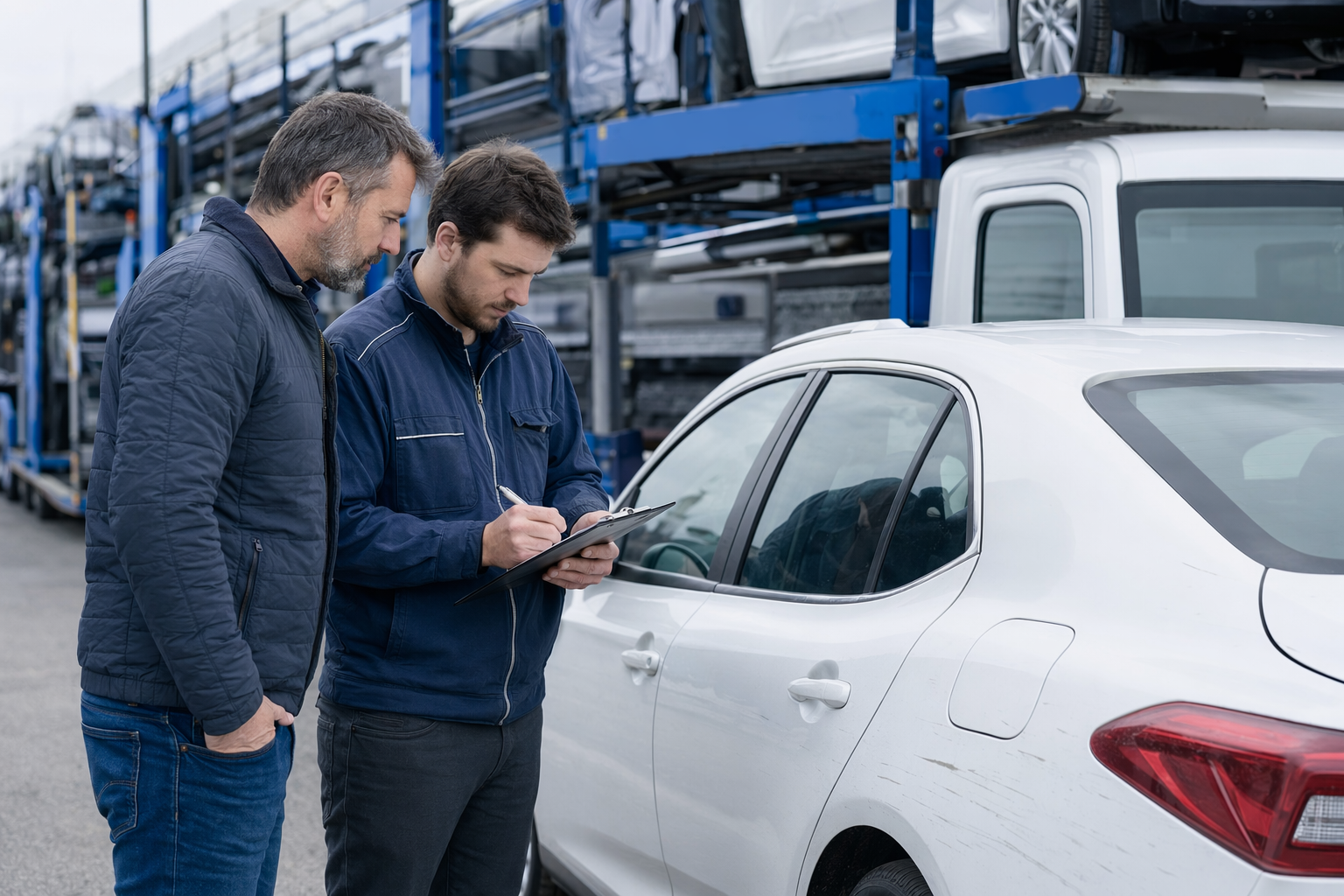
Check the company’s USDOT or MC number, insurance, reviews, and written terms before you book, because a low price means little if the company cannot prove who they are or what they are offering.