Cross-country car shipping
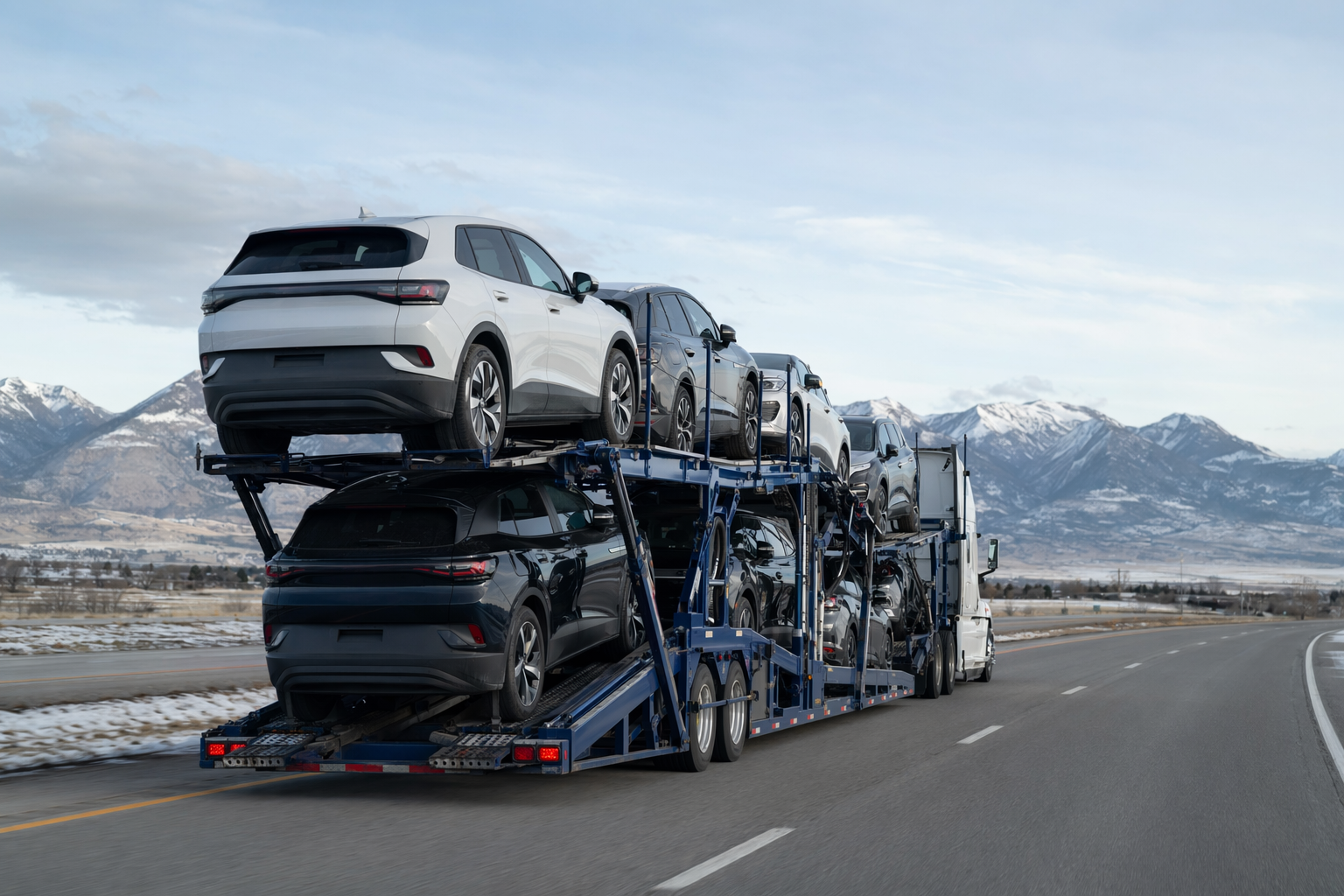
Cross-country car shipping means moving a vehicle on a long-haul lane, usually coast to coast or several states away. The route comes first, then the choices that affect cost and transit time: [open transport](/services/open-car-transport/) or [enclosed transport](/services/enclosed-auto-transport/), plus door-to-door or terminal.
What cross-country car shipping means
This option is for long routes. Think New York to California, Florida to Washington, Texas to Massachusetts, or any lane that covers a large part of the country. In most cases, the car moves on a multi-vehicle trailer with other cars headed in the same general direction.
The route matters more than anything else. Busy long-haul lanes usually have more trucks running them, which can help with scheduling and pricing. Less common pickup or delivery areas can cost more and may need a wider pickup window.
Most customers choose this service when they are moving, buying a car from out of state, sending a vehicle to family, helping a student relocate, or arranging transport after arriving in the US. If you are new to the process, start with how car shipping works so the lane, pickup window, and delivery steps are easier to compare.
Who this service is for
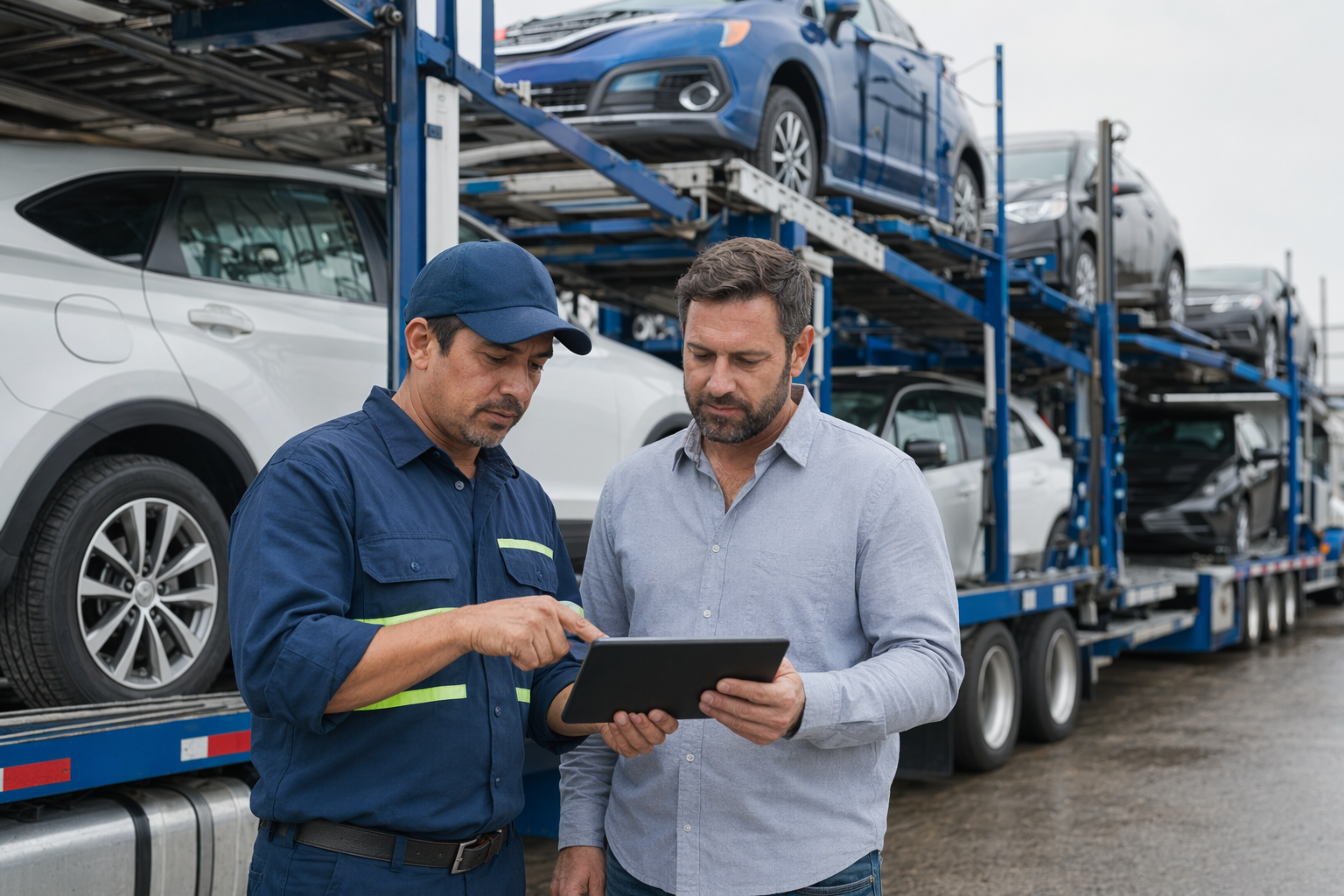
Cross-country shipping is a practical fit when the drive would take several days, add a lot of miles, or require hotels, fuel, time off, and wear on the vehicle. It is common for relocations, military moves, seasonal moves, job transfers, college moves, and online car purchases.
It can also make sense if the car is not ideal for a long drive. That might include an older vehicle, a second household car, a collector vehicle, or a car you want to keep off the road for mileage reasons. For higher-value vehicles, enclosed shipping may be worth comparing.
LaneFerry is a free matching service for this. You share your contact and shipment details, and we help connect you with licensed, insured carriers and brokers that handle long-haul lanes. You compare options, choose the company you want, and confirm the final price and pickup window in writing before booking.
Your main choices on a long-haul lane
On a cross-country route, the first choice is usually open vs enclosed.
- Open transport is the standard option. It usually costs less and is the most common choice for everyday vehicles.
- Enclosed transport costs more, but adds more protection from weather and road debris. It is often chosen for classic, luxury, exotic, or specialty vehicles. See enclosed transport if that is your priority.
The next choice is door-to-door vs terminal.
- Door-to-door means the truck gets as close to your pickup and delivery address as safely and legally possible.
- Terminal service means dropping off or picking up at a yard or lot when direct access is difficult or the route calls for it.
For many customers, door-to-door is the easiest setup, but apartment streets, low trees, narrow roads, HOA rules, and city parking can affect where the truck can stop. In those cases, you may meet the driver at a nearby open lot or wider street. That is normal on long routes.
Typical cross-country cost and transit time
For a standard sedan on an open carrier, cross-country shipping often falls around $1,000 to $1,800 on major long-haul lanes. Longer or less common routes, larger vehicles, and tighter timing can push that higher. Enclosed shipping is typically higher, often around $1,500 to $2,800 or more depending on the lane and vehicle.
Typical transit time for cross-country routes is often about 7 to 10 days once the vehicle is picked up. Some lanes move faster, and some take longer. A realistic pickup window is also important. On long-haul routes, pickup is commonly arranged within 1 to 5 days, but that can vary by market, season, and how flexible your dates are.
The real number depends on:
- the exact pickup and delivery route
- open vs enclosed
- door-to-door access vs terminal logistics
- vehicle size, weight, and condition
- season and weather
- how much notice you give
- how tight your pickup window is
If you want a fuller breakdown, see what it costs for lane, vehicle, and timing factors. Treat every online number as an estimate until the carrier or broker confirms the route, price, and pickup window in writing.
How the process works with free matching
The process is simple. First, you share the route, vehicle, dates, and your contact details. That is enough to match your shipment. LaneFerry does not collect bank details, SSNs, or payment information.
Then you review matches from licensed, insured carriers and brokers that run your lane. Compare the transport type, estimated price range, pickup window, and any route limits. Ask whether the car will move door-to-door or if a nearby meeting point is likely.
Before you book, confirm four things in writing:
1. total price
2. pickup window
3. transport type and route details
4. insurance information and the company's USDOT/MC number
You should verify the USDOT/MC number and insurance yourself before booking. That step matters. For a practical checklist, see how to vet a car shipping company. Once booked, prepare the car, remove personal items unless the carrier clearly allows a limited amount, and take photos at pickup and delivery.
Pros, trade-offs, and common mistakes to avoid
The main advantage is simple: you avoid a very long drive. That can save time, fuel, hotels, and vehicle wear. It also helps if your household is already dealing with flights, movers, lease dates, or a new job in another state.
The trade-off is that long-haul shipping runs on route efficiency, truck space, and dispatch timing. That means exact dates are harder to promise than many first-time customers expect. Cross-country service works best when you allow a realistic pickup window and compare options based on the full route, not just the lowest number.
Watch for common problems:
- a quote far below the others
- pressure to book today
- a large upfront deposit before clear written terms
- no USDOT/MC number
- vague answers about insurance, route, or pickup timing
If your dates are tight, ask about expedited shipping, but expect higher pricing and limited availability. If your timing is flexible, you may have more options on a busy long-haul lane. Help may also be available in your preferred language, and the matching service is free to the customer.
How to book cross-country shipping the practical way
Start with the route. Enter the pickup city, delivery city, vehicle year, make, model, and your target dates. Then choose whether you want open or enclosed, and whether door-to-door is your first choice.
When you compare matches, do not look at price alone. Look at the lane experience, the pickup window, whether your addresses are truck-accessible, and how clearly the company explains the process. On cross-country routes, a clear written plan is worth more than a low number with missing details.
When you are ready, use the free matching form at get matched. You review the options, choose the company you want, and confirm the final terms directly with them before booking.
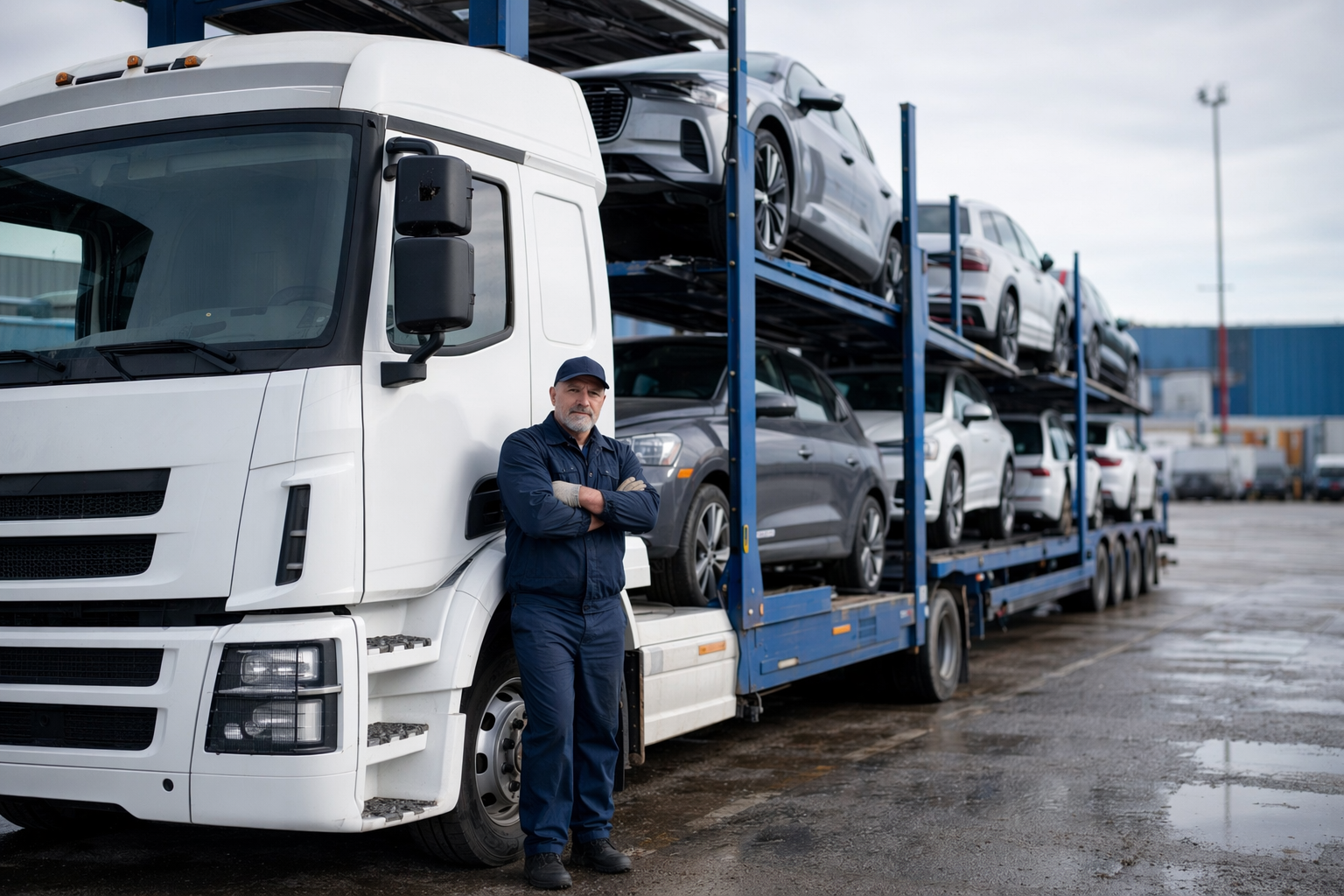
If you need to move a car a long distance, we help you compare licensed, insured companies for that route for free, and you choose the one that fits your timing and budget.