How open vs enclosed car transport differ, and which to choose
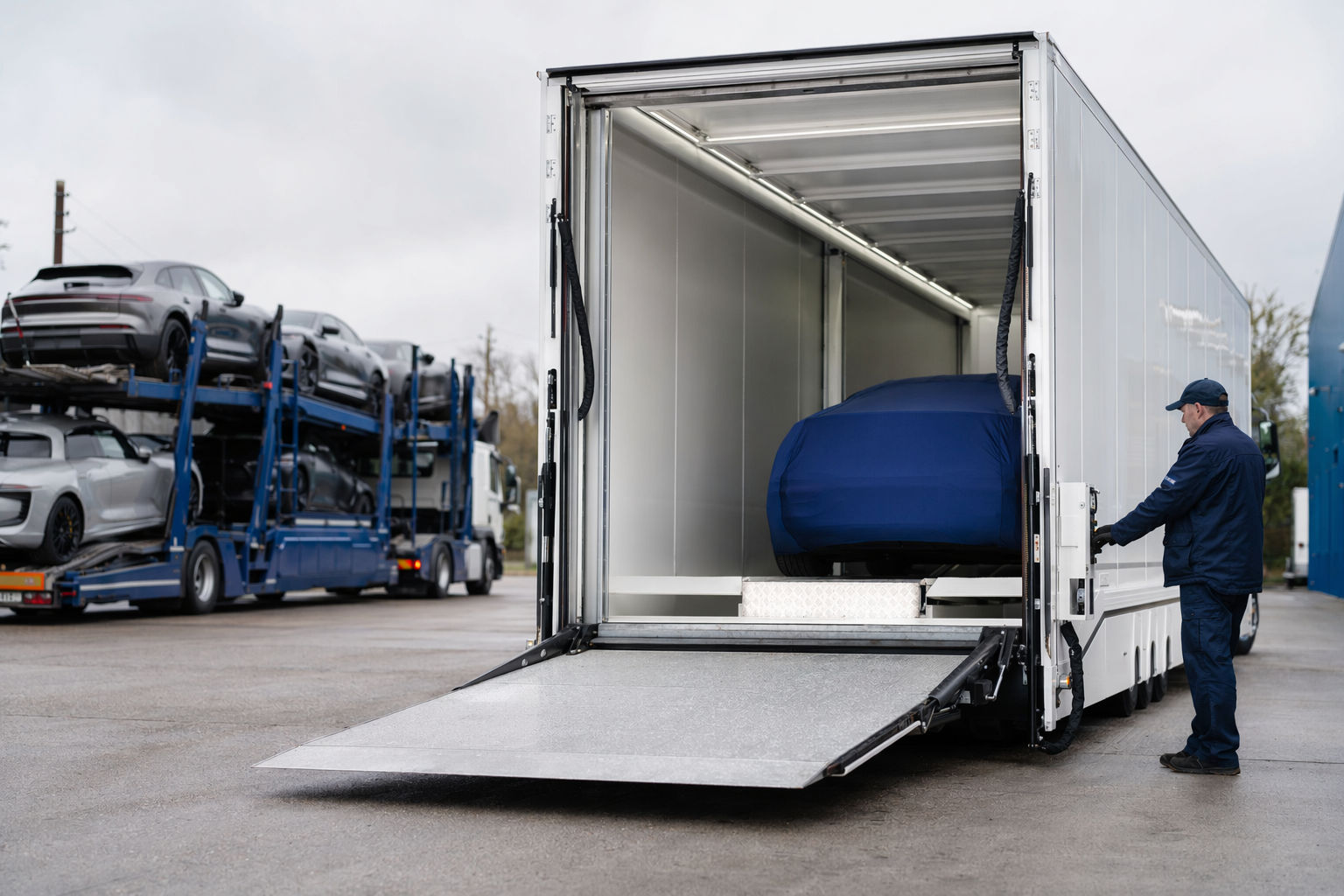
Start with the lane: where the car is going, how quickly you need it moved, and what kind of vehicle it is. Open transport is the standard choice on most routes, while enclosed transport costs more and is usually chosen for higher-value, lower-clearance, or collector vehicles.
Open vs enclosed: the route stays the same, the trailer changes
Both options move a car on the same basic lane from pickup to delivery. The main difference is the trailer. Open transport ships your vehicle on an open carrier, exposed to weather and normal road dust. Enclosed transport places the vehicle inside a covered trailer for more protection in transit.
On most interstate and cross-country routes, open transport is easier to find and usually costs less. It is the common choice for daily drivers, family cars, SUVs, and most standard vehicles. Enclosed transport is less common, costs more, and is usually selected for classic cars, luxury vehicles, exotic cars, show cars, and cars with very low ground clearance.
The lane still matters more than people think. A busy route between major cities usually has more open-carrier availability and shorter pickup windows. Enclosed capacity is tighter on many lanes, so pickup can take longer and pricing can move more based on season and timing.
If you are deciding between the two, think in this order:
1. What is the route?
2. What is the vehicle worth and how sensitive is it to exposure?
3. How flexible is your pickup window?
4. What cost range fits your budget?
What open transport is best for
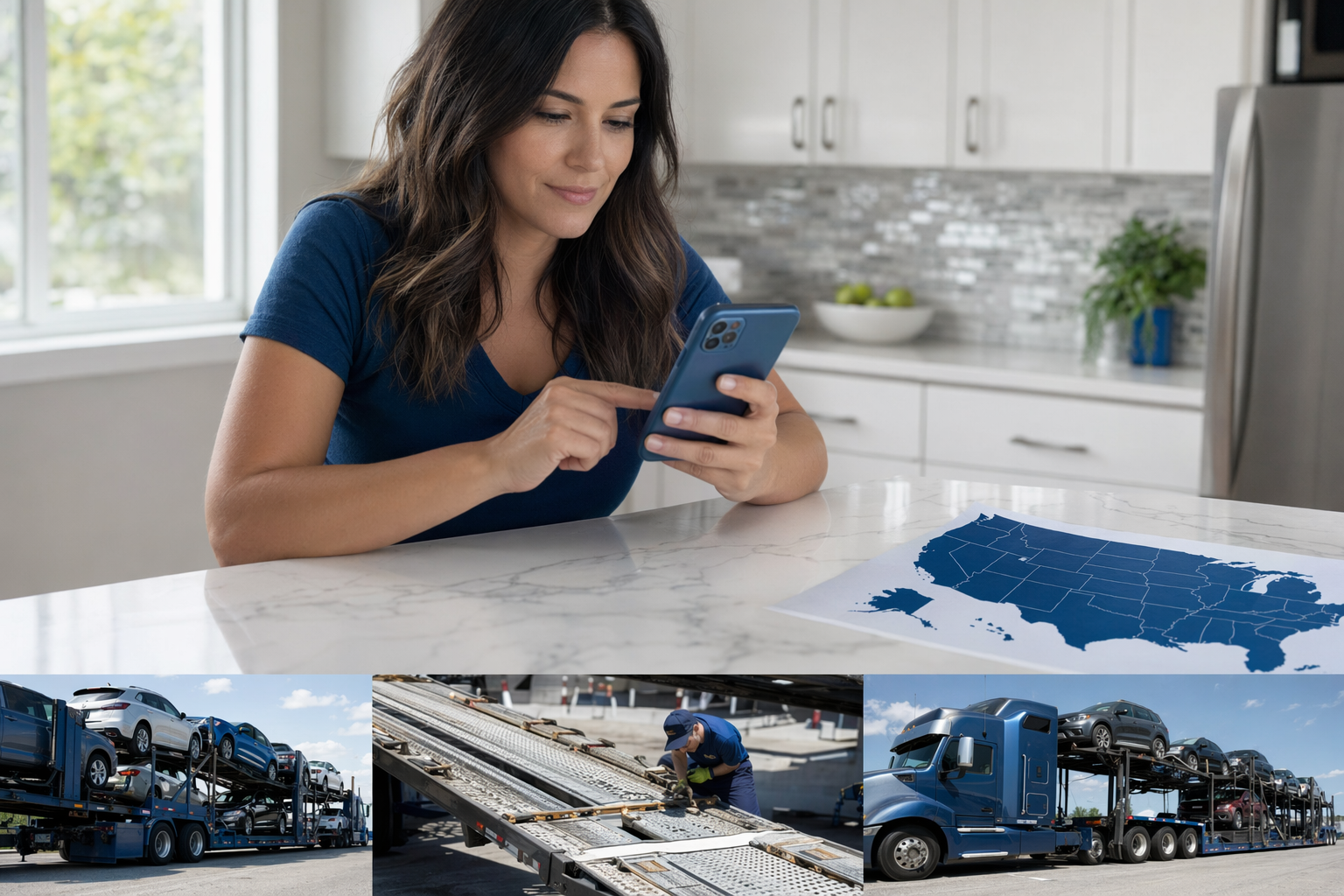
Open transport is the practical option for most shipments. If you are moving a sedan, SUV, pickup, or everyday vehicle from one state to another, open shipping is usually the first lane to price. It is widely available, especially on common cross-country and interstate routes.
Typical open-transport cost ranges for a standard vehicle:
- 0 to 500 miles: about $400 to $800
- 500 to 1,000 miles: about $700 to $1,200
- 1,000 to 2,000 miles: about $900 to $1,500
- 2,000+ miles: about $1,100 to $1,900
Typical transit time on open carriers depends on the lane and dispatch timing:
- Short routes: about 1 to 3 days in transit
- Mid-range routes: about 3 to 6 days in transit
- Cross-country routes: about 5 to 9 days in transit
Those are estimates, not quotes. The real number depends on the route, vehicle size, season, and how tight your timing is. If the car runs, has normal clearance, and you want the most cost-efficient option, open transport is usually the right place to start. You can read more about pricing on what it costs.
When enclosed transport makes sense
Enclosed transport is usually about protection and fit, not speed. A covered trailer can help reduce exposure to weather, road grit, and debris during transit. Some enclosed setups are also better for vehicles that sit low or need more careful loading.
Typical enclosed-transport cost ranges for a standard-to-larger vehicle:
- 0 to 500 miles: about $700 to $1,200
- 500 to 1,000 miles: about $1,000 to $1,700
- 1,000 to 2,000 miles: about $1,400 to $2,400
- 2,000+ miles: about $1,800 to $3,200
Enclosed shipping often makes sense if your vehicle is:
- A classic, antique, or collector car
- A luxury or exotic vehicle
- A restored or show vehicle
- Very low to the ground
- Especially sensitive to exposure or hard to replace
Transit time can be similar to open on some lanes, but enclosed trailers are less common, so pickup windows are often less flexible. On a less-traveled route, you may wait longer for the right enclosed carrier to line up. If your route is unusual or your dates are tight, ask for several options and confirm the pickup window in writing before you book.
Door-to-door, terminal, and pickup windows
After you choose open or enclosed, the next decision is usually door-to-door shipping versus terminal. Door-to-door is the more common setup. The carrier picks up and delivers as close to your addresses as truck access allows. On narrow streets, apartment areas, or places with low trees or tight turns, you may meet the driver at a nearby parking lot or larger road.
Terminal shipping can sometimes help on certain lanes, but it is less common than many people expect. Availability depends on the route and local network. If someone promises a terminal option everywhere, ask for the exact location and storage terms before you agree.
The pickup window matters as much as the transport type. Most carriers do not promise an exact pickup hour days in advance. They usually work within a pickup window, often 1 to 5 days depending on the lane, season, and trailer type. Busy routes can move faster. Rural lanes and enclosed shipments can take longer to dispatch.
A shorter pickup window or rush timing may raise the price. If timing matters more than price, ask about expedited car shipping and compare the trade-off carefully. Always get the agreed price and pickup window in writing before booking.
How to choose the right option without overpaying
A simple rule works for most people: choose open transport unless the vehicle's value, condition, or clearance makes enclosed worth the extra cost. Many people pay for enclosed when open would have been reasonable for the route and the car.
Use this checklist before you decide:
- Get matched with licensed, insured carriers or brokers for your lane
- Compare open and enclosed pricing side by side
- Check whether the vehicle runs and whether it has low clearance or modifications
- Ask about the pickup window, not just the price
- Confirm whether the service is door-to-door or if you may need to meet nearby
Watch for overcharging and scam signs:
- A quote far below the others
- Pressure to book today
- A large upfront deposit
- No USDOT or MC number provided
- Vague answers about insurance or pickup timing
LaneFerry is a free matching service. It does not move vehicles or broker shipments. It helps you compare options from licensed carriers and brokers, often with help available in your language. Before you book, verify the carrier's USDOT/MC number and insurance yourself and confirm the total price and pickup window in writing. For a full checklist, see how to vet a car-shipping company.
What to do before the carrier arrives
Once you pick open or enclosed, prep the car for the route. Good prep helps avoid pickup delays and makes the condition report easier at both ends.
Before pickup:
- Wash the car so existing damage is visible
- Take clear photos from all sides, plus close-ups of any scratches or dents
- Remove personal items unless the carrier says otherwise in writing
- Leave about a quarter tank of fuel
- Disable alarms if needed
- Make sure the car can roll, steer, and brake if it is listed as operable
At pickup and delivery, review the inspection report carefully. Compare the vehicle to your photos. Ask questions before signing if something looks different. This is general education only, so confirm coverage details and any claims process directly with the carrier. For a full prep list, read prepare your car for shipping.
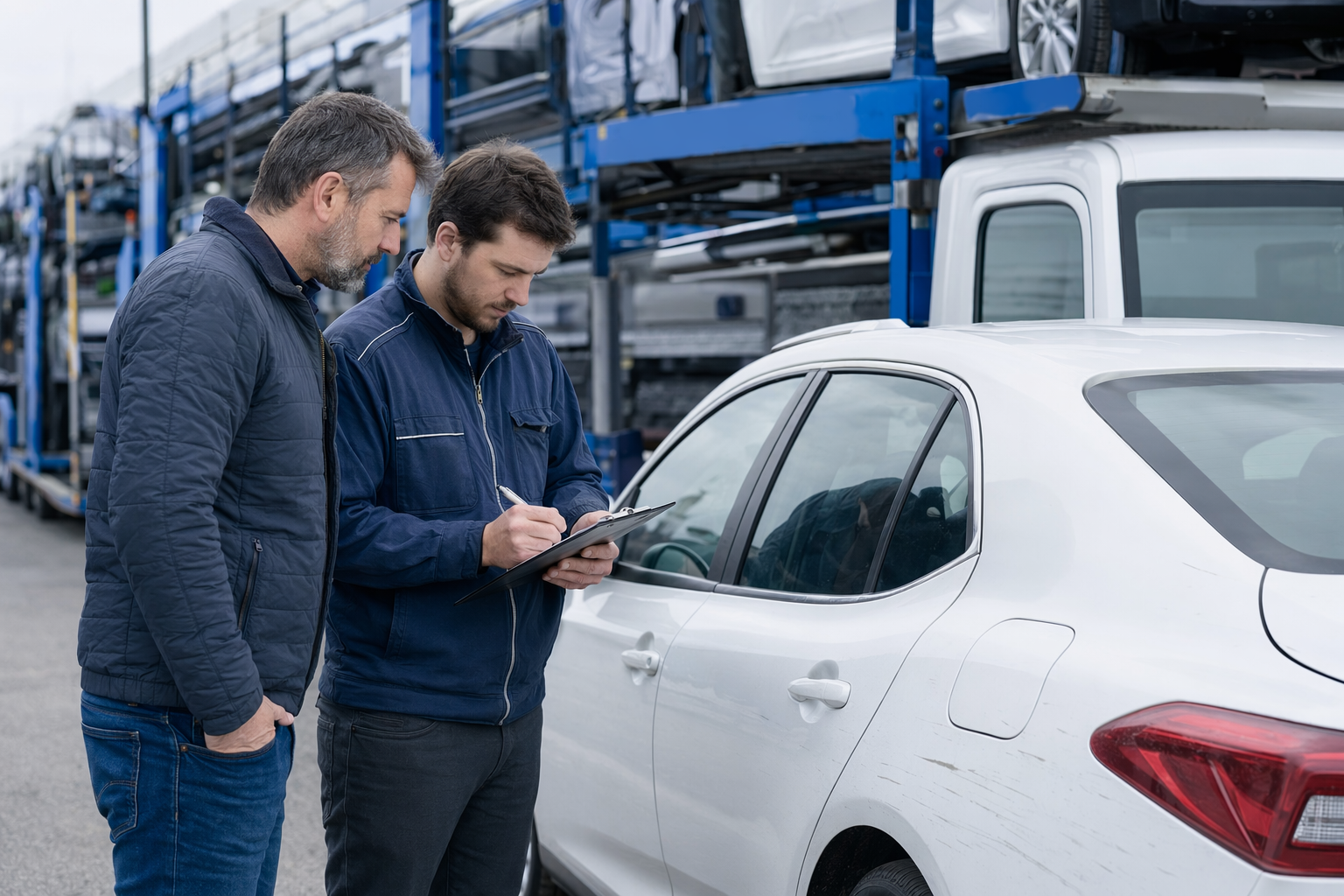
Open costs less and works for most cars, enclosed costs more and is usually worth it for high-value or low-clearance vehicles.