How an owner shipped a classic car in an enclosed trailer
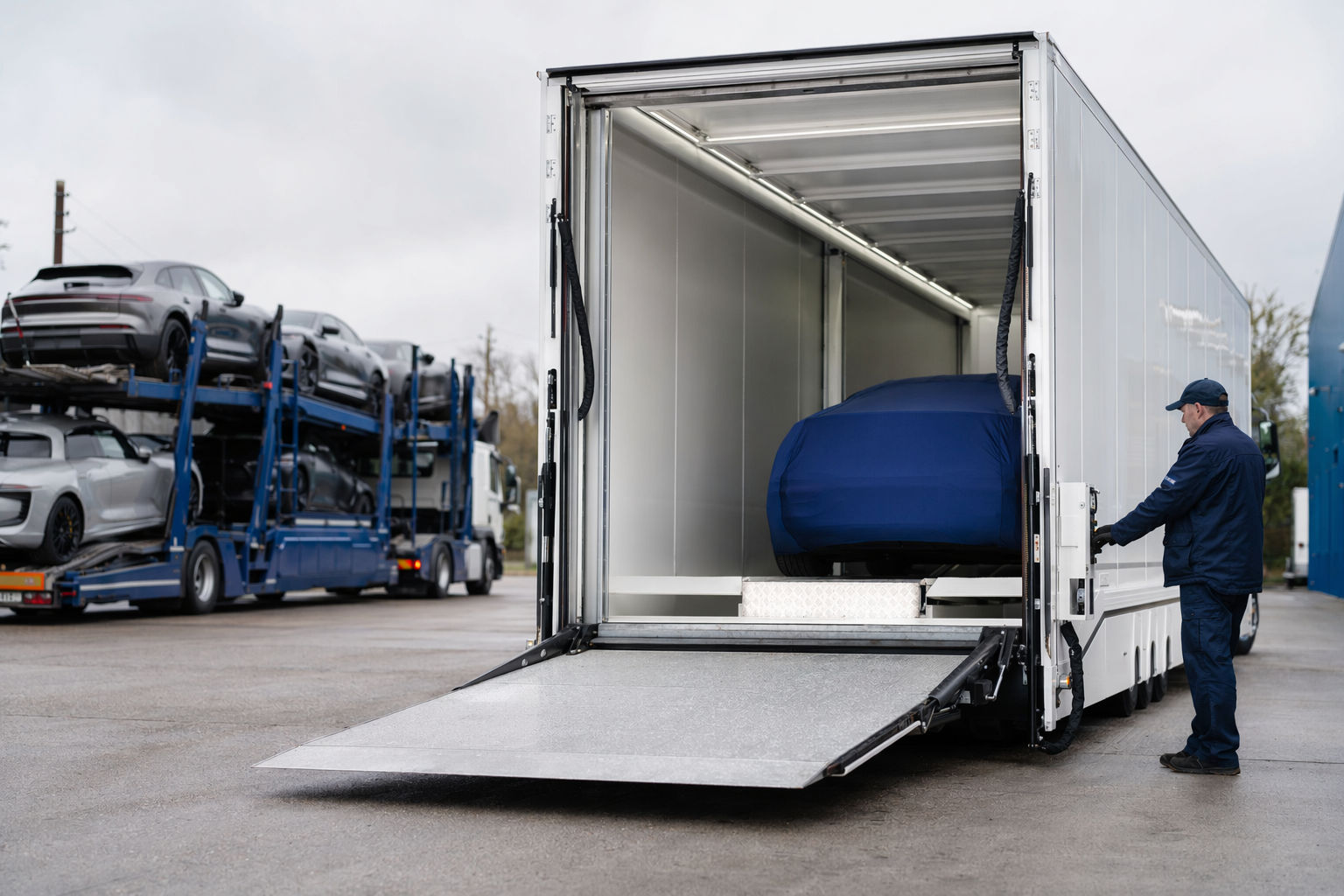
A classic car runs on a different lane than a daily driver. In this anonymized story, the owner chose enclosed transport for a long interstate route, paid more for the extra protection, and handled the paperwork carefully so there were no surprises at pickup or delivery.
The route came first, then the transport choice
The owner was moving a restored classic coupe from the Midwest to the Northeast. The car was low-mileage, hard to replace, and not something they wanted riding on an open trailer through changing weather and road debris.
Once the route was clear, the choice got simpler. They compared open transport with enclosed auto transport. Open would likely have cost less, but enclosed was the better fit for a collector vehicle where condition mattered more than saving a few hundred dollars.
Typical pricing on a lane like this can be roughly $1,200 to $2,000 on open transport, or about $1,800 to $3,200 in enclosed transport. Those are estimate ranges, not quotes. The real number depends on the route, vehicle size, season, and how tight the pickup timing is.
What the enclosed premium bought
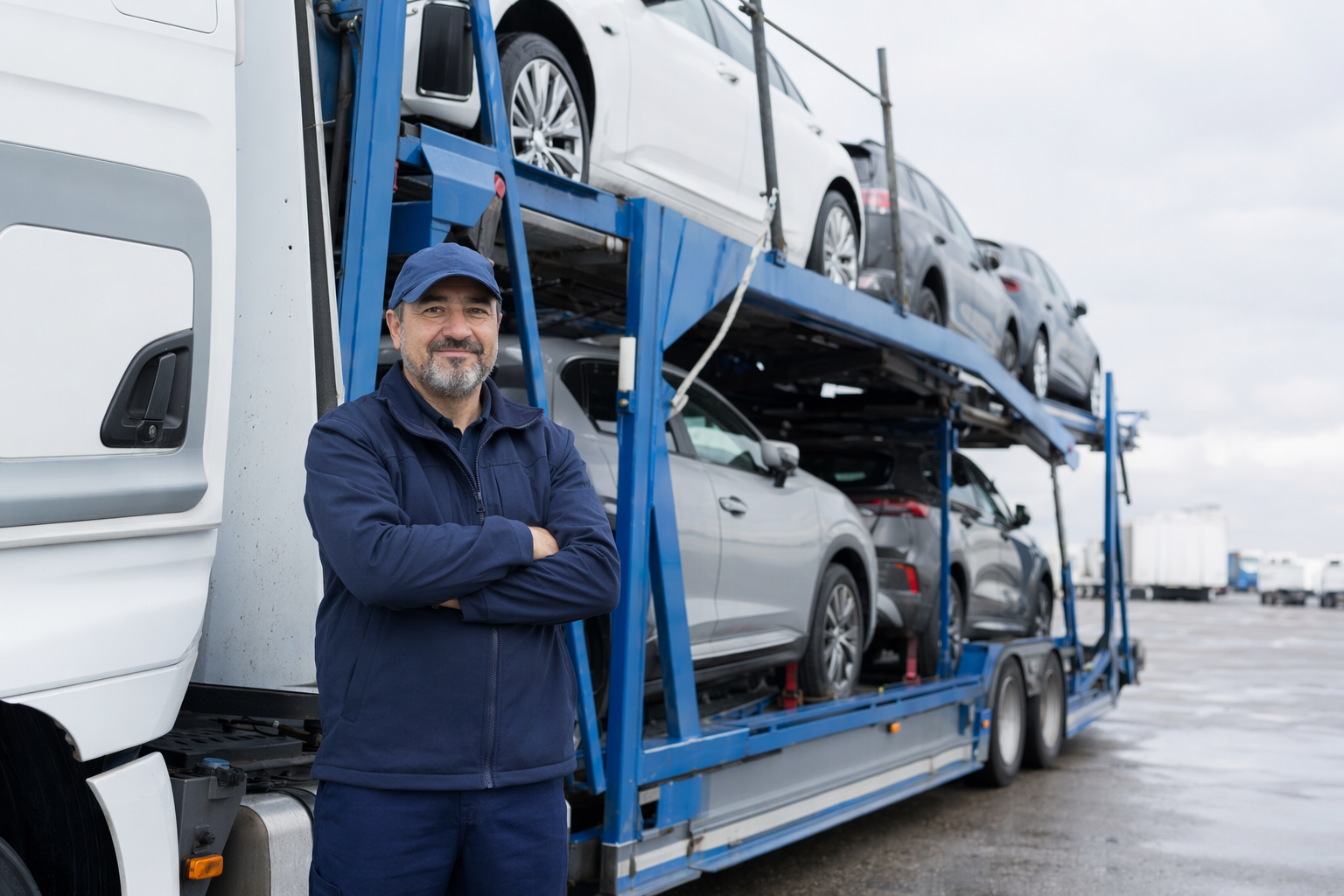
The owner did not pay more for speed alone. They paid for a different service level on the same basic route.
Here is what mattered most:
- Protection from weather during transit
- Less exposure to road grit and debris
- Equipment that tends to suit lower-clearance or specialty vehicles better
- Drivers and dispatch setups that more often handle collector, exotic, and show cars
That does not mean enclosed shipping guarantees a perfect outcome. It does not. Transit time still depends on the lane, dispatch timing, stops already on the trailer, and weather. But on a classic car, many owners decide the premium is worth it because they want reduced exposure during the trip.
On this shipment, the typical enclosed transit window discussed was about 4 to 8 days after pickup, with a pickup window of roughly 1 to 5 days. The owner understood those were typical windows, not guarantees.
How the owner documented the car before pickup
Before booking, the owner asked for the carrier or broker's USDOT and MC number and checked insurance details directly. They also made sure the final price and pickup window would be confirmed in writing before the car was released. That step matters on any lane, but especially with a higher-value vehicle.
Then they documented the car's condition carefully. They washed the vehicle first so small flaws would show in photos. They took clear, time-stamped pictures of every side, the roof, hood, trunk, wheels, glass, interior, odometer, and any existing chips or scratches.
They also made a short written condition list:
1. Existing paint chip near front valance
2. Light wear on driver seat bolster
3. Small scratch near trunk trim
4. Fuel level below one-quarter tank
This matched the basic advice on prepare your car for shipping. At pickup, they compared their notes to the bill of lading and made sure pre-existing marks were recorded. At delivery, they repeated that same walkaround before signing anything final.
Door-to-door was helpful, but the street still had to work
The owner wanted the car picked up from home and delivered close to the destination address. In practice, that meant door-to-door shipping with some flexibility.
Large enclosed trailers cannot always fit safely on narrow residential streets, tight corners, low branches, HOA roads, or city blocks with parked cars. So the carrier may arrange a nearby meeting point such as a wide side street, parking lot, or commercial area. That is still common on door-to-door service.
For this route, the owner was prepared for that possibility. They stayed reachable by phone, kept the pickup contact informed, and treated the meeting point as part of the route plan rather than a problem. That avoided last-minute confusion on dispatch day.
If the owner had needed a tighter schedule, they could have asked about expedited car shipping, but even then, availability and timing would still depend on the lane and equipment. Nothing was treated as guaranteed.
What they watched for when comparing offers
The owner received a few very different price ranges for the same general route. One was much lower than the others. That was a red flag.
They ruled out offers that had any of these signs:
- A price far below the rest with no clear explanation
- Pressure to book immediately
- A large upfront deposit request
- No USDOT or MC number provided
- Vague answers about insurance or pickup timing
Instead, they focused on written details. Who is the actual carrier or broker involved? What is the estimated pickup window? Is the transport enclosed? Is the route door-to-door or does it require a nearby meeting point? What fees, if any, could change based on the vehicle's condition or size?
That is the practical way to compare offers. You can read more in how to vet a car-shipping company. LaneFerry's role in a situation like this is simple: it is a free matching service that connects you with licensed, insured carriers and brokers so you can compare options. It does not move vehicles or broker shipments itself.
How the shipment finished
Pickup happened within the written window, not on the owner's first-choice day, and that was fine because they planned for a range instead of a promise. The driver completed a condition report, the owner kept copies of the photos and paperwork, and the car was loaded with clearance in mind.
Delivery took place within the expected transit range. The owner inspected the car before signing the final paperwork, checked the same areas they had photographed at origin, and confirmed the condition matched their records.
The main lesson from this story is not that every classic car must ship enclosed. It is that the route, the value of the vehicle, and your tolerance for exposure should drive the decision. For a collectible car on a longer lane, enclosed transport often makes sense if the estimate range fits your budget.
If you are planning a similar move, start with the route and compare what it costs before you get matched with licensed, insured transport options. Then verify the USDOT/MC number and insurance yourself, and confirm the price and pickup window in writing before booking.
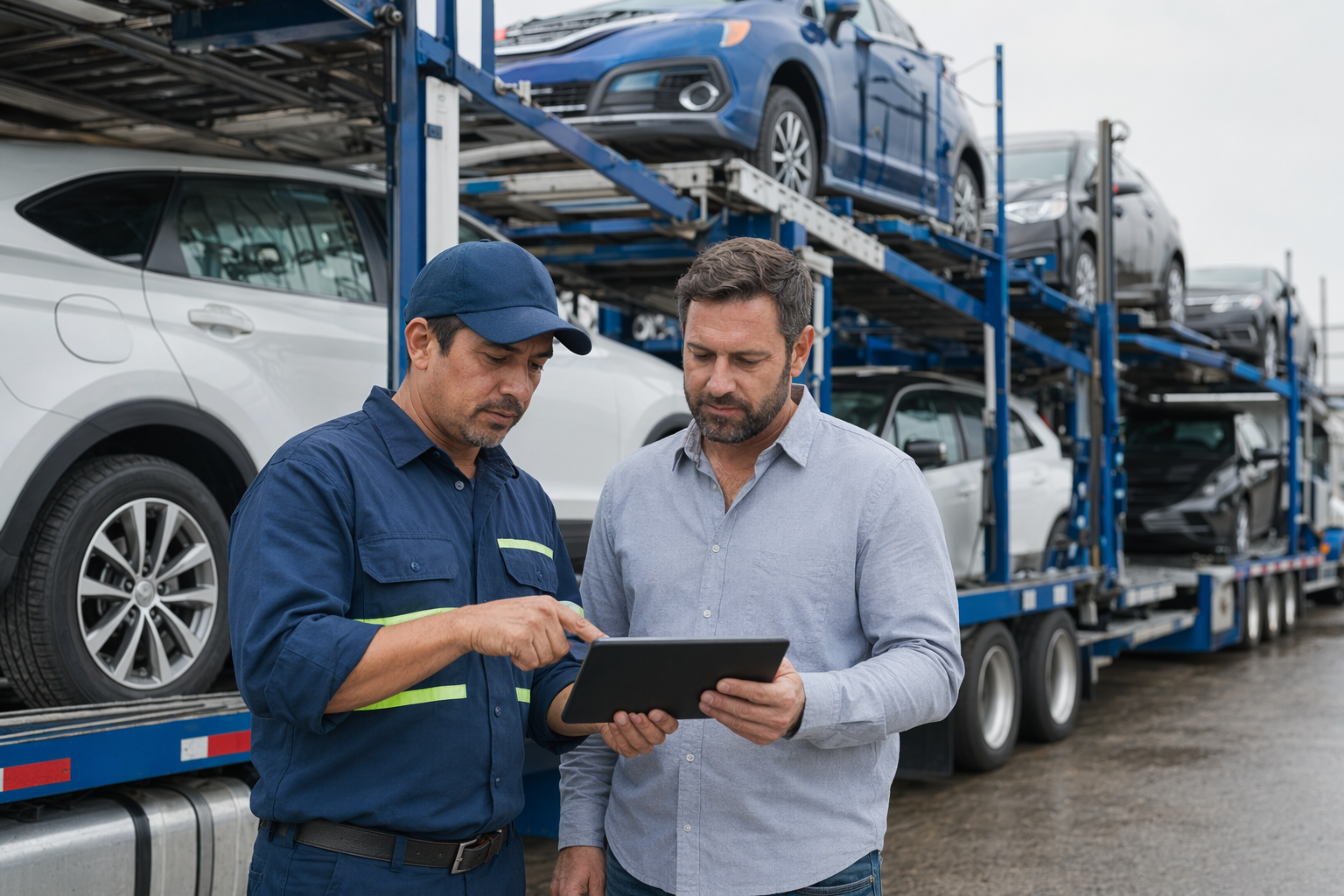
For this classic-car route, the owner paid extra for enclosed transport, documented the car carefully, and verified the transport details in writing before handing over the keys.