How a buyer shipped a car they bought in another state
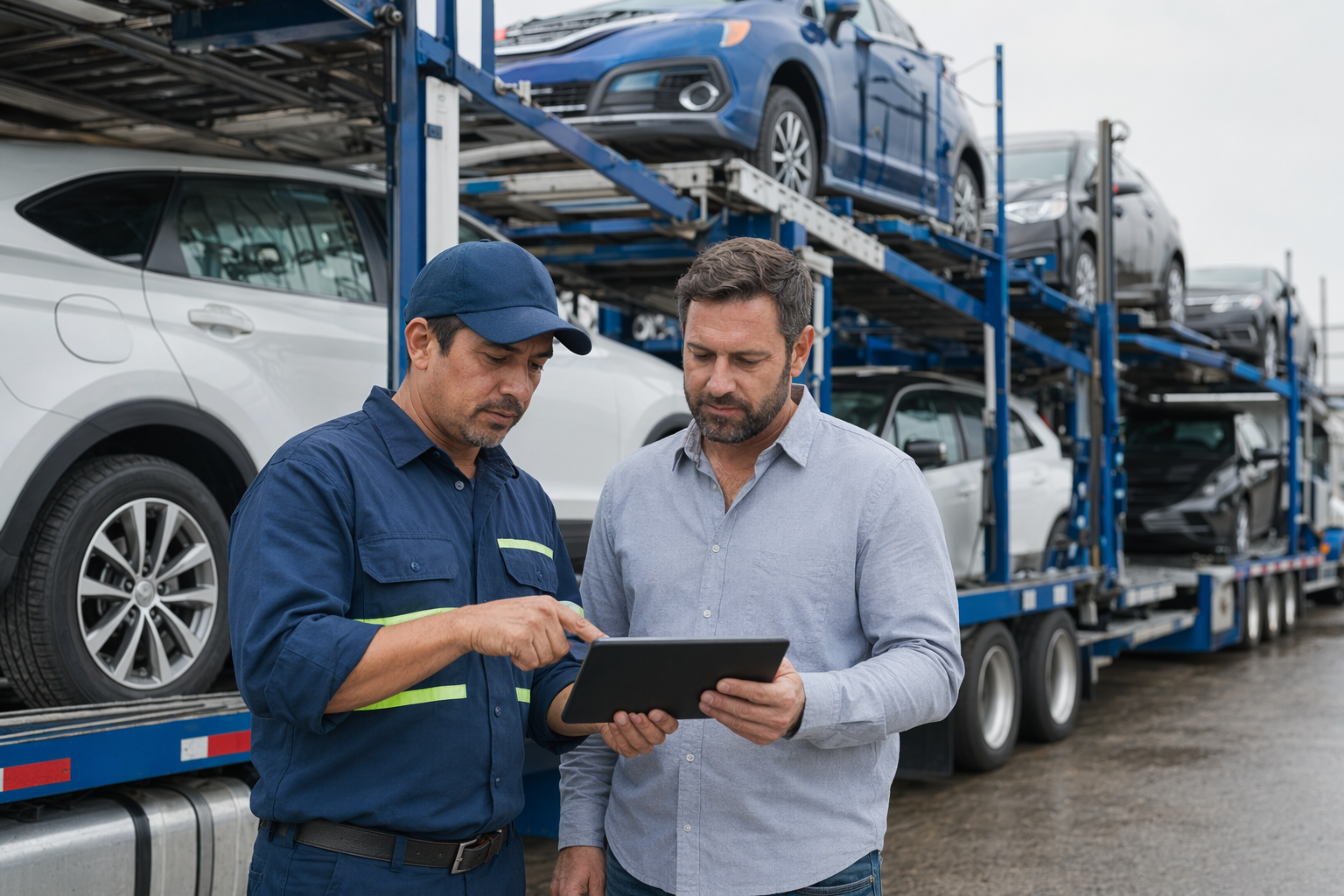
They found the right car three states away. Driving it home would have meant time off work, hotels, fuel, and a long return trip, so they used LaneFerry’s free matching service to compare licensed, insured carriers and brokers for that route.
The route came first
This buyer had purchased a used car from a seller three states away. The lane was simple on paper: pickup near the seller, delivery to their home address. But that route still shaped everything that followed: the likely pickup window, whether door-to-door would work on both ends, and the typical price range.
Because it was an interstate move over a few states, they expected a normal open-carrier lane rather than a specialty move. For a shipment like that, many buyers start by looking at what it costs and whether they need door-to-door shipping or can meet the truck nearby if the street is tight.
LaneFerry did not move the car or book the shipment. It simply matched the buyer with licensed, insured carriers and brokers that handle that lane, so the buyer could compare options and choose who to work with directly.
They chose the transport type based on the car, not the ad
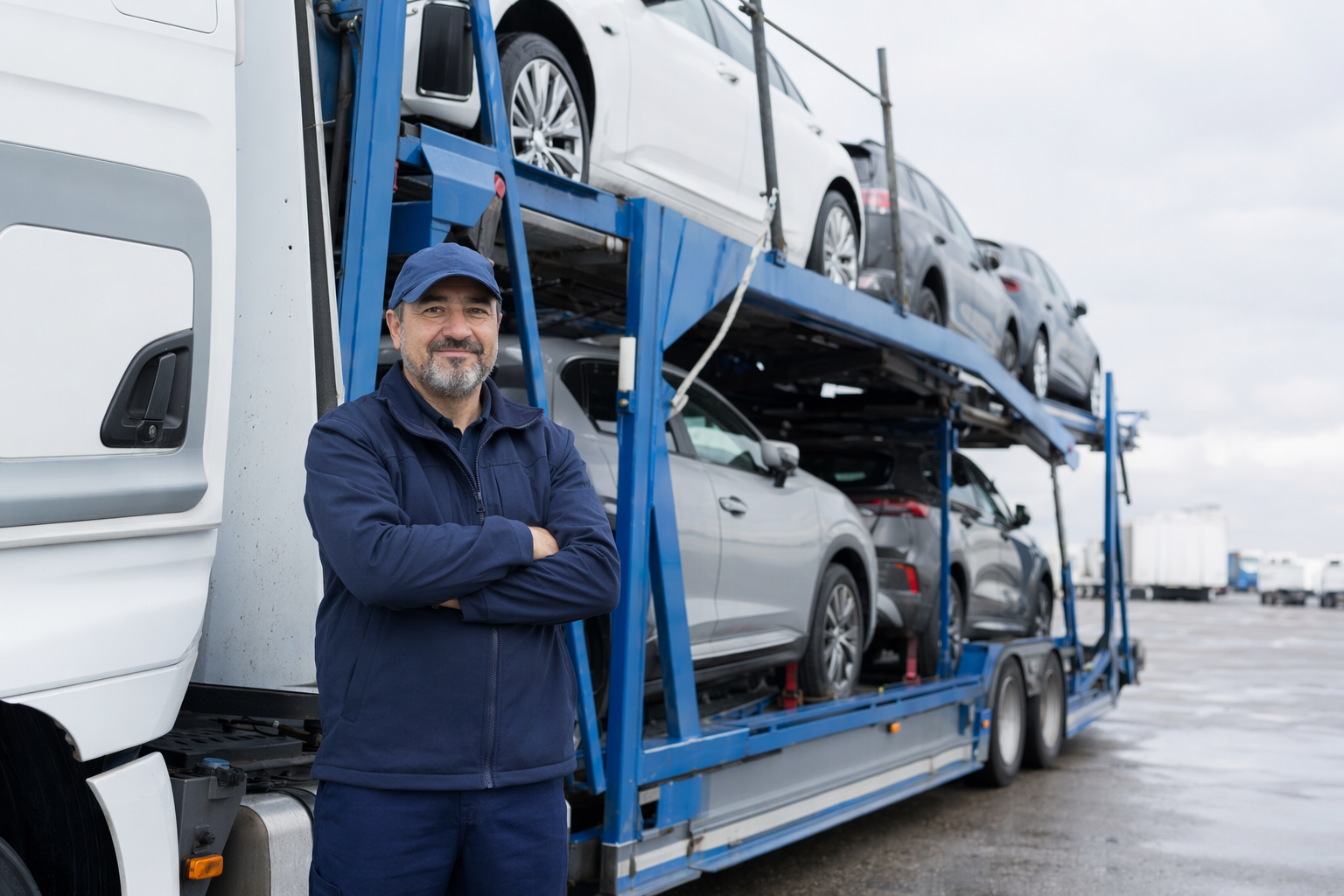
The next decision was open vs enclosed. The car was a normal daily-driver purchase, not a high-value collector car, so open transport made the most sense. It is the common option on most interstate lanes and is usually less expensive than enclosed.
Enclosed can be the right fit for rare, exotic, or freshly restored vehicles, but many buyers do not need it. In this case, the trade-off was straightforward:
- Open transport: lower typical cost, common on most routes
- Enclosed transport: more protection from road exposure, usually higher cost
The buyer also chose door-to-door delivery if truck access allowed it. That does not always mean the truck can stop on the exact block. Sometimes the carrier arranges a nearby meeting point such as a wide street, parking lot, or shopping center. That is still typical door-to-door in car shipping. If you are comparing those options, see open transport and how car shipping works.
What the price and timeline looked like
For this route, the buyer saw estimates in a normal mid-range for an interstate shipment. The early numbers they received were roughly $800 to $1,400 on open transport, depending on the exact pickup city, delivery location, vehicle size, season, and how quickly they wanted the car picked up.
Transit time was also given as a range, not a promise. A typical window for a route like this might be 3 to 7 days in transit after pickup, with a pickup window of 1 to 5 days depending on dispatch timing and lane demand.
One quote came in far below the others. That got their attention for the wrong reason. A price that is much lower than the rest can mean the shipment is hard to dispatch at that number, or that extra charges may appear later. The buyer treated the low outlier as a warning sign rather than a bargain.
That is the practical way to read car-shipping prices: compare the lane first, then the service level, then the number. The real rate depends on route, vehicle, season, and timing. Estimates are not final quotes until you confirm the details directly with the carrier or broker you choose.
How they verified the company before booking
This was the part the buyer took most seriously. Before agreeing to anything, they checked that the company they planned to use was properly licensed for its role and insured. LaneFerry encourages every customer to do this themselves.
They used a simple checklist:
- Ask for the company’s USDOT and MC number.
- Check that those numbers match the business name they are speaking with.
- Confirm active insurance and ask what coverage documents they can provide.
- Read the pickup window, cancellation terms, and payment terms in writing.
- Make sure the final agreed price and the pickup window are confirmed in writing before booking.
They also watched for common scams and overcharging tactics:
- A quote far below the others on the same lane
- Pressure to book immediately
- A large upfront deposit before clear written terms
- No USDOT or MC number provided
- Vague answers about who is actually handling dispatch
LaneFerry only collects contact and shipment details so carriers and brokers can respond. It does not ask for bank account numbers, SSNs, or payment details. If you want a fuller checklist, read how to vet a car-shipping company.
Pickup, inspection, and delivery
Once the buyer chose a company, the process became very practical. The seller and carrier coordinated the pickup window. Before loading, the car’s condition was noted on the inspection report, often called the Bill of Lading. The buyer asked the seller to take clear photos of all sides of the car, plus close-ups of any existing marks.
The buyer also made sure the car was ready for transport. That usually means no loose personal items, a working battery, enough fuel to load and unload, and keys available. A preparation checklist helps avoid day-of delays. See prepare your car for shipping.
At delivery, the buyer met the driver, inspected the car again, and compared it to the pickup condition report and photos. This is normal. It is the right time to note any issues directly on the delivery paperwork before signing.
The shipment arrived within the typical window they were given. Not exact-day guaranteed. Not instant. Just a normal interstate move handled the way most buyers need it handled: clear route, clear terms, and realistic timing.
What this buyer would do the same way again
Their main lesson was simple: the lowest number is not always the safest number. They would still compare several options for the lane, but they would keep filtering for licensed, insured companies with clear written terms.
They also liked having help in plain language. For many customers, especially people new to US shipping or arranging a move from another city or country, it helps to compare options without pressure. LaneFerry’s matching service is free to the customer and can often help in the customer’s own language.
If you are buying a car out of state, start with the route. Then decide open vs enclosed and door-to-door vs a nearby meeting point. Then compare written estimates, verify the USDOT/MC number and insurance yourself, and confirm the final price and pickup window in writing before you book.
If you are ready to compare options for your own lane, you can get matched or read more about how it works.
If you buy a car in another state, compare a few licensed options for that route, verify the company yourself, and do not book until the price and pickup window are confirmed in writing.