Shipping a car new york to los angeles
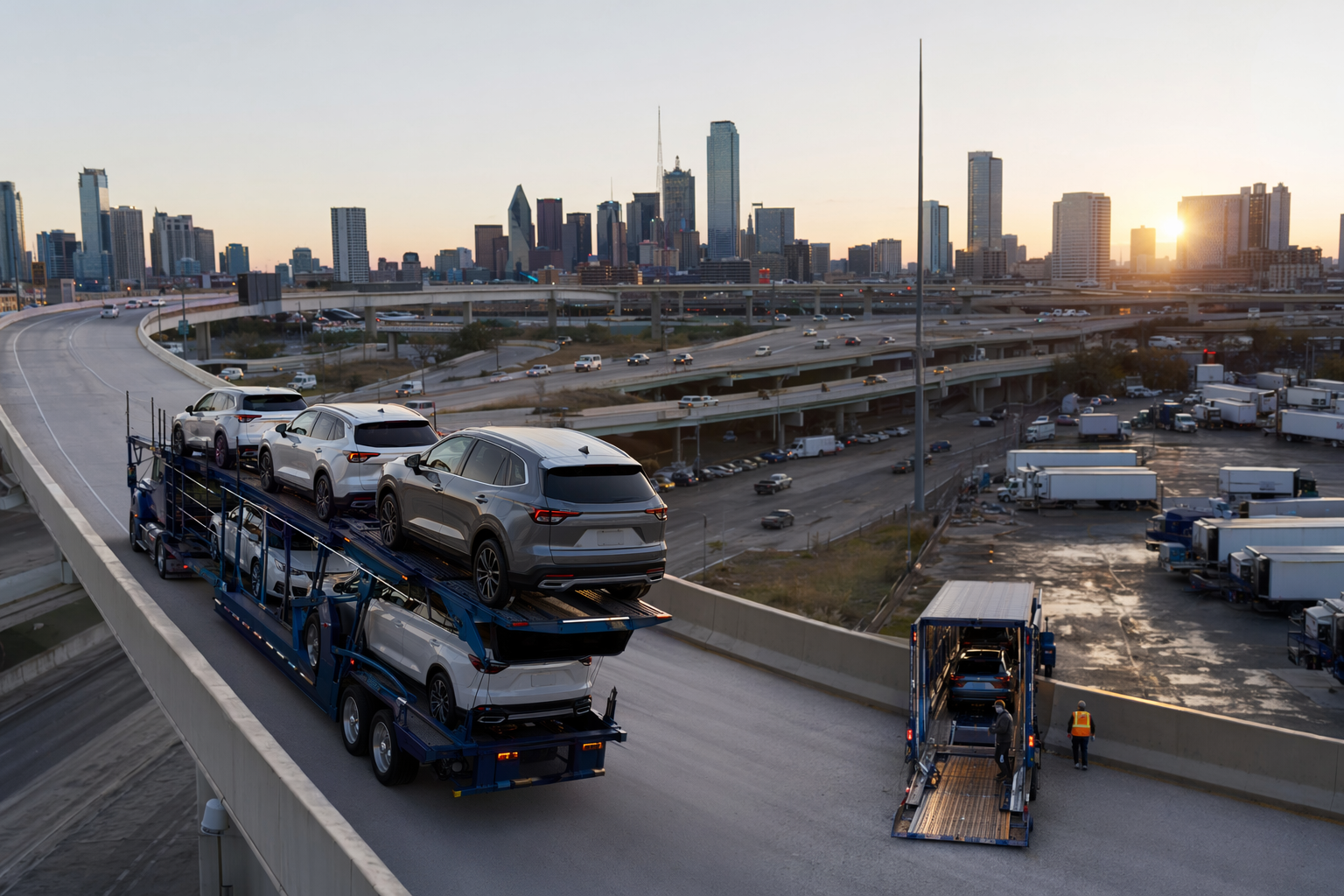
New York to Los Angeles is a long, active car-shipping lane with steady carrier traffic, so it is usually easier to match than many smaller routes. Typical estimates on this lane run about $1,100 to $1,600 with a usual transit time of 6 to 9 days, but the real number depends on your exact pickup and delivery points, vehicle, season, and timing.
New York to Los Angeles: route, cost, and typical timing
This lane usually starts in the New York metro area and runs west to the Los Angeles metro area on major interstate corridors. Because both ends are large population centers, carriers often have regular coverage here. That helps compared with rural lanes, but your exact address still matters.
For most standard sedans on open transport, a typical estimate is about $1,100 to $1,600. Most shipments on this route take around 6 to 9 days in transit once the vehicle is picked up. Those are lane averages, not quotes or guarantees.
Price and timing usually move based on a few simple factors:
- Exact pickup and delivery location, not just "New York" and "Los Angeles"
- Open vs enclosed trailer
- Vehicle size, weight, height, and operable condition
- Time of year and current carrier capacity
- How flexible you are on the pickup window
If you are comparing options, start with the route first, then the trailer type, then the timing. You can read more about the process in how car shipping works.
What affects price and transit time on this lane
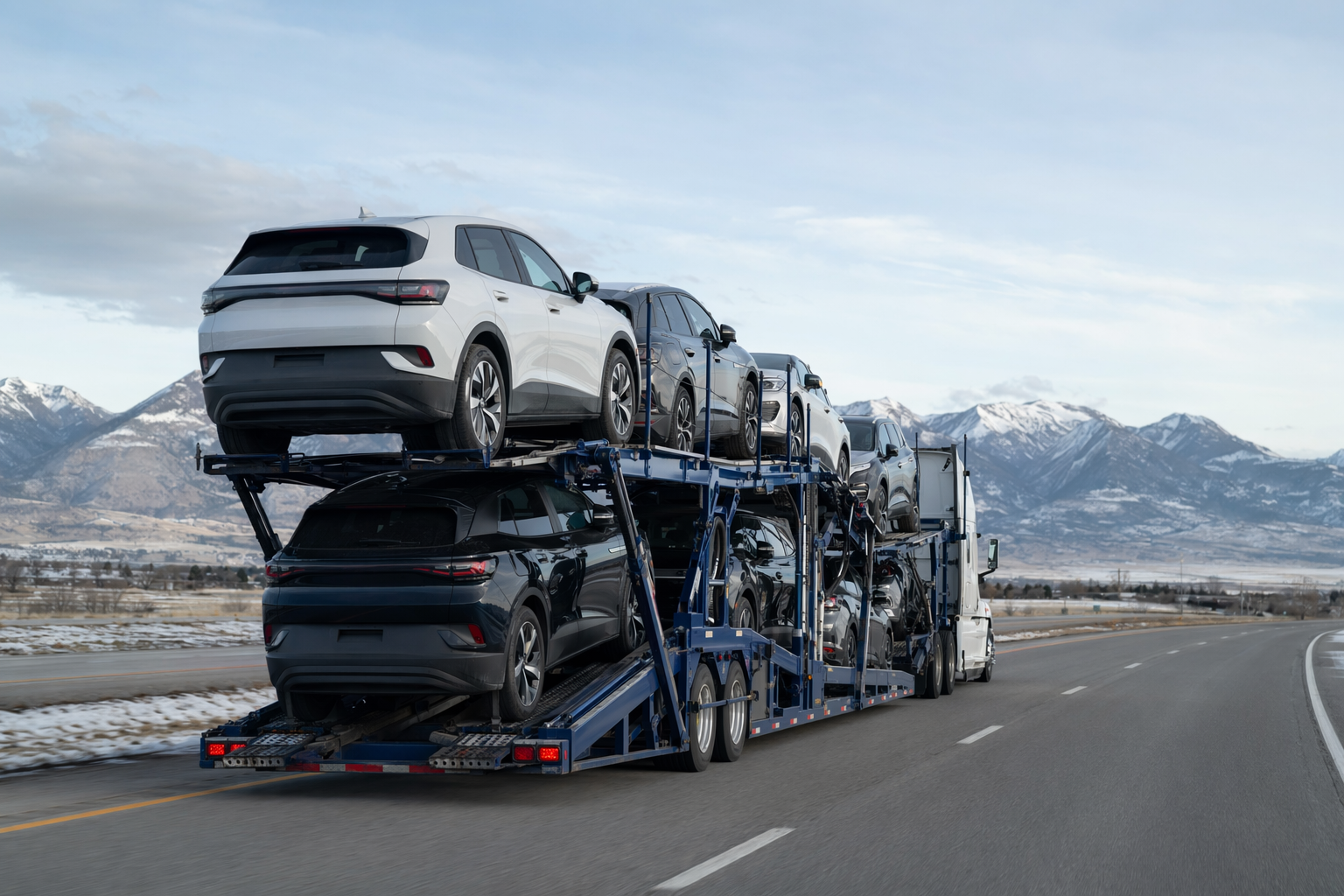
The biggest price difference on New York to Los Angeles is usually metro access and timing. A car picked up in central Brooklyn, Queens, or Manhattan may cost more than one picked up from a carrier-friendly lot in New Jersey or a wider suburban area. On the Los Angeles side, a delivery in a tight street in West Hollywood, downtown, or the hills can be different from a handoff in a large parking area near a main route.
Traffic and dispatch flow matter too. New York metro pickups can slow down because of street restrictions, congestion, and limited truck access. Los Angeles has the same issue in dense neighborhoods, beach communities, and hillside streets. In many cases, door-to-door means the truck gets as close as it can safely and legally get, then meets you nearby on a wider road or lot. That is normal on this lane, especially for full-size transport trucks.
Transit time also depends on how quickly a carrier can load your car within the pickup window. Once the vehicle is on the trailer, cross-country transit can move efficiently, but weather, traffic, hours-of-service limits, and other stops on the route can add time. If your dates are tight, ask about expedited car shipping, but expect a higher estimate and remember that timing is still not guaranteed.
For the clearest comparison, ask each company to confirm the total price and pickup window in writing before you book. Also verify the carrier's USDOT/MC number and insurance yourself.
Open vs enclosed on New York to Los Angeles
Most people on this lane choose open transport because it is the most common setup and usually the lower-cost option. For everyday vehicles, open shipping is often the practical choice from New York to Los Angeles. It gives you more available trailer space on a busy route and usually keeps the estimate in the lower part of the lane range.
Enclosed transport costs more, but some owners choose it for classic, exotic, luxury, low-clearance, or freshly restored vehicles. On this route, enclosed shipping commonly runs above the open rate because there are fewer enclosed trailers and fewer spaces per trailer. Transit may also depend on enclosed capacity at the time you book. If that is your priority, see enclosed transport.
A simple way to decide:
- Choose open if the main goal is practical, lower-cost shipping for a daily driver
- Choose enclosed if vehicle protection and trailer type matter more than price
- Ask whether your vehicle has low ground clearance, oversized tires, or modifications that may affect loading
Whichever option you choose, confirm what is included, the pickup window, and the inspection process before booking.
Pickup and delivery realities in New York and Los Angeles
On this lane, the city name is only the starting point. In New York, pickups can happen in Manhattan, Brooklyn, Queens, the Bronx, Staten Island, Long Island, Westchester, or nearby New Jersey. Some of these areas are easy for a large truck. Some are not. If your street is narrow, heavily parked, weight-restricted, or hard to turn around on, the driver may ask to meet at a shopping center, truck stop, or open parking lot nearby.
Los Angeles deliveries work the same way. A full-size carrier may not be able to reach every apartment building, gated complex, hillside road, or beach-area street. Delivery may happen at a nearby meeting point in Glendale, Burbank, Commerce, Torrance, or another truck-accessible area depending on your final address and the trailer size. That is still considered door-to-door shipping, because the driver is delivering as close as practical and legal access allows.
A few practical steps help this lane go smoother:
1. Give your full pickup and delivery addresses early so access can be checked.
2. Mention gates, low branches, construction, or HOA rules in advance.
3. Keep your phone available during the pickup window and near delivery day.
4. Have a backup contact if you are flying in, moving, or not yet at the destination.
Before the car is handed over, remove personal items, leave about a quarter tank of fuel, and note any existing damage on the inspection report. More prep tips are in prepare your car for shipping.
Seasonal patterns on the New York to Los Angeles lane
Season changes matter on this route because you are crossing several regions and a very long distance. Winter can affect pickups in New York with snow, ice, and slower dispatch flow. Even if the final destination is sunny Southern California, the route in between may still face weather delays. During busy winter periods, price can rise if capacity gets tight.
Spring and summer are active moving seasons. College schedules, job relocations, and household moves all add demand. On a strong lane like New York to Los Angeles, there is usually still good carrier interest, but shorter notice often means a higher estimate. If you can give a wider pickup window, you usually have a better shot at staying within a normal price range.
Late summer and early fall can also be busy because of relocations and students heading west or east. Holiday weeks may slow things down at either end of the route. If you are trying to ship around Thanksgiving, year-end holidays, or a firm move-in date, start early and compare your options.
If you want a closer look at lane pricing, see what it costs. The key point is simple: the route is common, but season and timing still change the estimate.
How to compare quotes without getting burned
On a popular lane, you may see a wide spread in prices. That does not always mean one option is a better deal. A quote that is far below the others can be a warning sign, especially if the company cannot clearly explain the pickup window, carrier details, or total charges.
Watch for common car-shipping red flags:
- A price far below the rest with no clear reason
- Pressure to book today or lose the rate
- A large upfront deposit
- No USDOT/MC number or vague answers about licensing
- No proof of insurance or unclear coverage terms
LaneFerry is a free matching service. We collect contact and shipment details only, then connect you with licensed, insured carriers and brokers for this lane. You compare options, choose who you want to work with, and confirm the price and pickup window in writing before booking. Help may also be available in your language.
Before you book with anyone, verify the carrier's or broker's USDOT/MC number and insurance yourself. If you want a checklist, review how to vet a car shipping company.
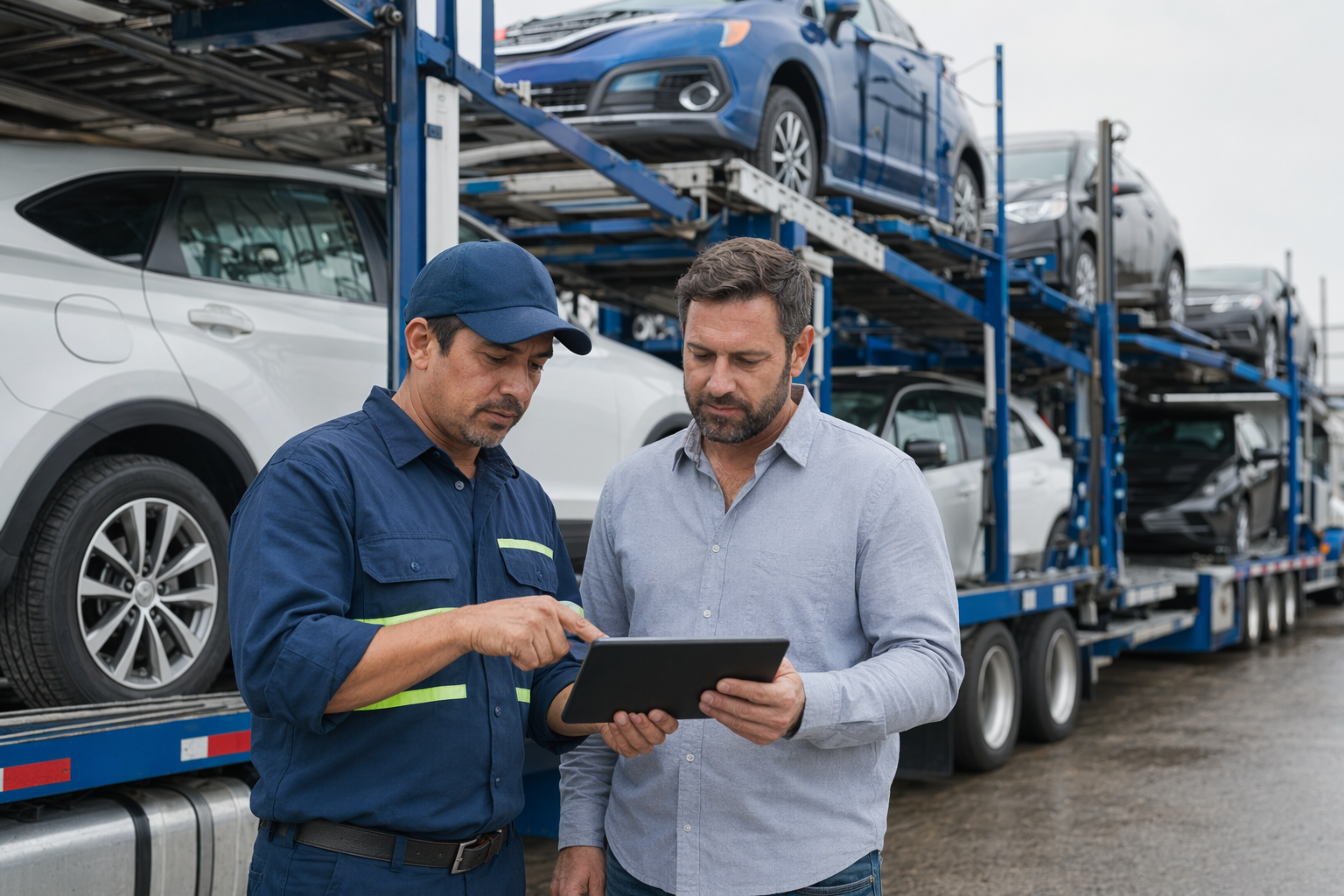
This is a common cross-country lane, but your real price and timing still depend on the exact New York and Los Angeles pickup and delivery points, your vehicle, the season, and how flexible you are.