Shipping a car to or from Hawaii
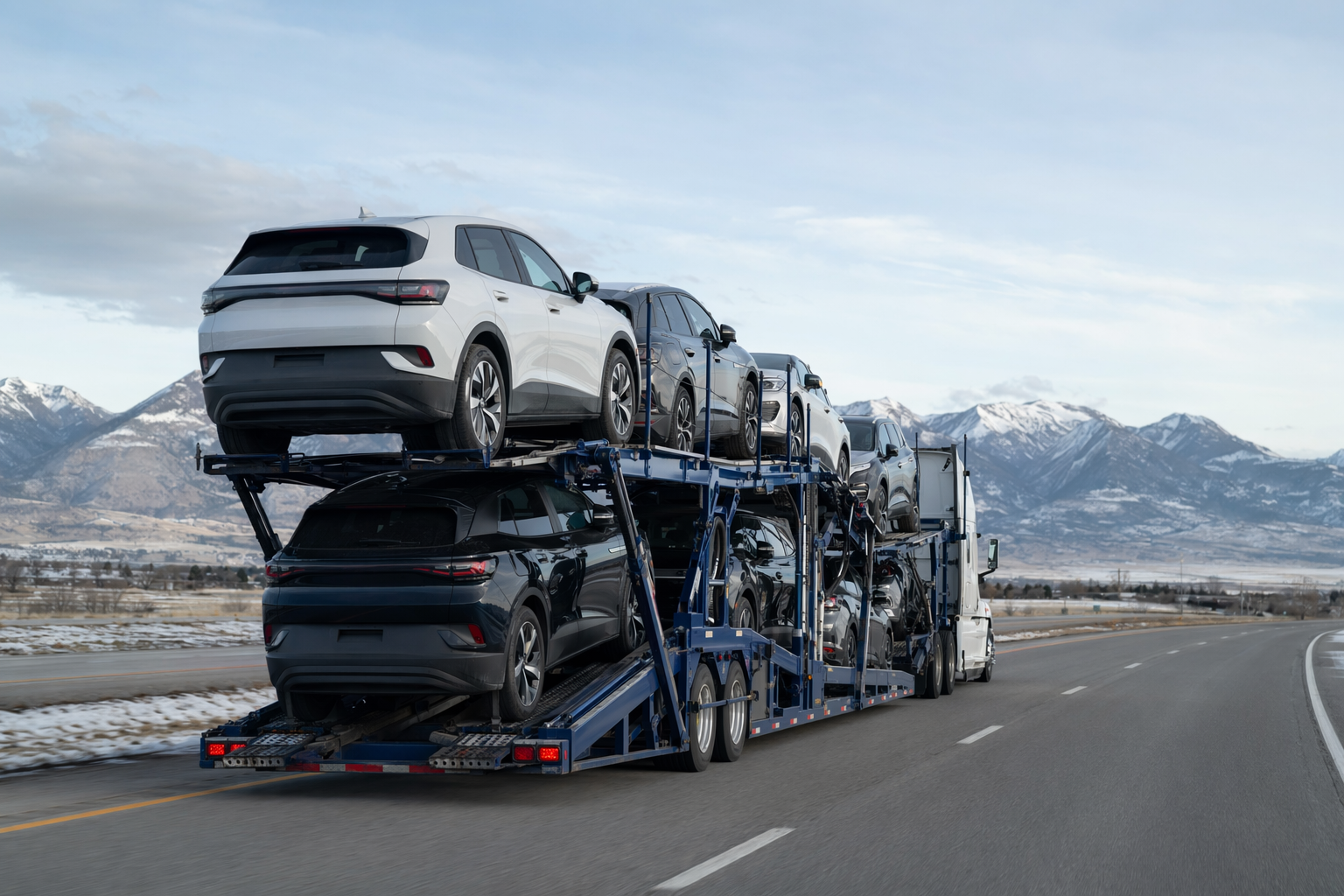
Hawaii car shipping is really two moves on one route: a truck lane on the mainland, then ocean transport to or from the port. The price and timing depend on your mainland city, the Hawaii port, the vehicle, the season, and how flexible your pickup window is, so use ranges and confirm the final price and pickup window in writing before you book.
How the Hawaii route actually works
Shipping a car to or from Hawaii is different from a standard interstate lane. Your vehicle usually moves in stages: pickup by truck on the mainland or on the island, delivery to a port, ocean transport, then final pickup or delivery on the other side.
Most shipments involve one of these route patterns:
- mainland door-to-port
- port-to-port
- port-to-door
- door-to-door, where trucking is added on one or both ends
That is why the route matters first. A car going from Los Angeles to Honolulu is a shorter, more active lane than a car going from Denver to Maui. The second route usually needs more inland trucking and may have fewer sailing options, so the range is higher and the transit time is longer.
If you are new to the process, start with how car shipping works and then compare whether you want door-to-door shipping or a port handoff.
Typical cost ranges to or from Hawaii
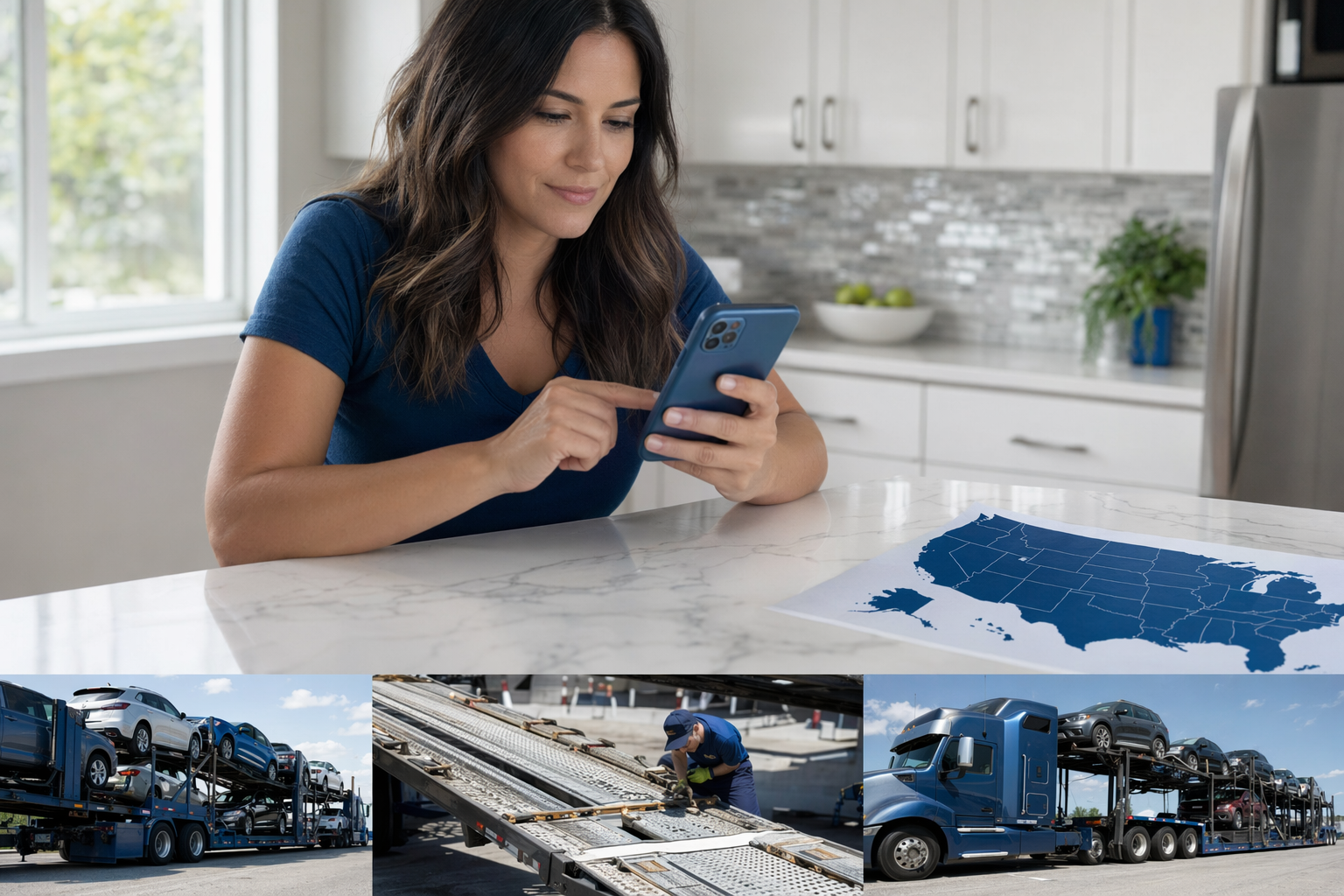
The number most people want first is cost. For Hawaii, think in route segments, not one national flat rate. These are typical ranges for standard-size operable vehicles on common lanes. They are estimates, not quotes.
- West Coast port to Honolulu port: about $1,000 to $1,600
- West Coast city to Honolulu, with mainland trucking included: about $1,400 to $2,300
- East Coast city to Honolulu, with cross-country trucking plus ocean leg: about $2,200 to $4,000
- Mainland to Maui, Kauai, or the Big Island: often $200 to $700 more than Oahu, depending on the lane and port handling
- Hawaii to mainland on similar lanes: often in a similar range, but not always. Seasonal demand and vessel space can move the number up or down.
What changes the real number:
- route and distance to the port
- vehicle size, weight, and ground clearance
- operable vs inoperable condition
- season and vessel space
- how quickly you need pickup
- door-to-door trucking vs port drop-off and pickup
Open transport is the usual trucking option on the mainland and costs less than enclosed. Enclosed can make sense for rare, high-value, or very delicate vehicles, but it raises the inland trucking cost. You can compare open transport with enclosed auto transport before you decide.
For a broader breakdown of what moves prices, see what it costs.
Typical transit time and pickup windows
Transit time to or from Hawaii is longer than a mainland-only lane because the route includes trucking, port processing, and a vessel schedule. A typical window from the West Coast to Oahu is about 1 to 3 weeks total. From inland mainland cities, it is often about 2 to 5 weeks total.
A common breakdown looks like this:
- mainland pickup window: about 1 to 5 days on active lanes, sometimes longer on less common routes
- trucking to the port: about 1 to 7 days depending on distance
- port processing and vessel timing: several days to over a week
- ocean transit: often about 5 to 12 days depending on route and island
- final release or onward delivery: about 1 to 7 days
Those are typical windows, not guarantees. Weather, vessel schedules, port congestion, island delivery capacity, and seasonal demand can all add time. If you need the car by a certain date, build in extra margin and confirm the pickup window and estimated transit time in writing before booking.
If your timing is tight on the mainland leg, ask whether expedited car shipping is available for the truck segment. It may shorten pickup time on some routes, but it does not guarantee a delivery date and usually does not control the ocean schedule.
What you need to do before the car goes to the port
Hawaii shipments usually have stricter handoff steps than a normal domestic lane. The carrier or port contact will give you the exact requirements for that route. Read them carefully and confirm them in writing.
In general, plan on these basics:
1. Clean the car enough to note its condition clearly at pickup.
2. Remove personal items unless the carrier specifically allows limited items in writing.
3. Leave only a small amount of fuel, often around one-quarter tank or less.
4. Make sure the battery works, tires hold air, and there are no major fluid leaks unless the shipment is being accepted as inoperable.
5. Have your registration, photo ID, and any required port paperwork ready.
6. Take clear photos from all sides before handoff.
Some routes have restrictions on alarm systems, oversized vehicles, roof racks, or aftermarket modifications. If your car is lifted, lowered, oversized, non-running, or has loose parts, say that up front. That affects the lane, the equipment needed, and the cost range.
Use a checklist before dispatch so nothing delays release at the port. This guide on prepare your car for shipping covers the standard steps.
How to choose a company and avoid Hawaii shipping scams
LaneFerry is a free matching service. We do not move vehicles or broker shipments. We connect you with licensed, insured carriers and brokers so you can compare the route, the service level, and the price range yourself.
Before you book with any company, verify the USDOT and MC number yourself and confirm insurance directly with that company. Also confirm the final price, pickup window, cancellation terms, and whether the quote covers port fees, trucking on both ends, and any non-operable or oversized vehicle charges.
Watch for red flags:
- a quote far below the others on the same lane
- pressure to book today before you can review terms
- a large upfront deposit without clear written terms
- no USDOT or MC number provided
- vague answers about insurance, port steps, or who is actually handling each leg of the route
A Hawaii route has more handoffs than a simple mainland lane, so details matter. Ask who handles the inland trucking, who handles the port release, and what happens if the vehicle misses a sailing. For more on checking paperwork and authority, read how to vet a car shipping company.
A simple way to compare your options
Start with the exact route. City and ZIP on the mainland. Island and port in Hawaii. Then list the vehicle year, make, model, whether it runs, and whether you want port-to-port or door-to-door.
Once you have that, compare offers in the same format:
- total estimated range
- what is included on each leg of the route
- pickup window
- typical transit time
- open vs enclosed on the truck leg
- cancellation terms
- USDOT/MC number and proof of insurance
If English is not your first language, ask for help in your own language and ask for the route details in writing. That can make port instructions and pickup windows much easier to follow.
When you are ready, you can get matched for free. Share only contact and shipment details. Then compare your options, choose the company you want, and confirm the final price and pickup window in writing before booking.
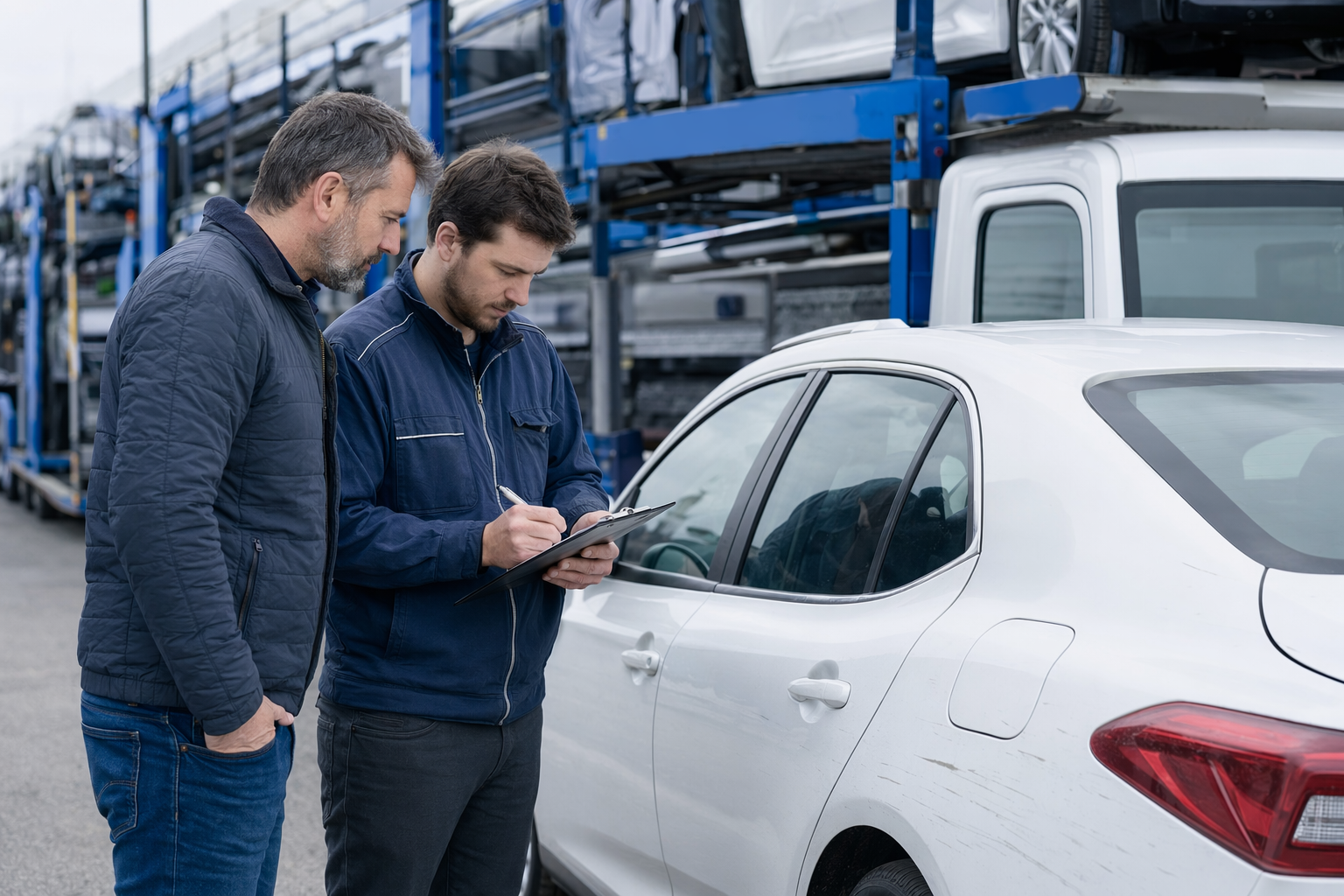
Shipping a car to or from Hawaii usually means a truck leg plus an ocean leg, so compare the full route carefully and get the price and pickup window in writing before you book.