The best time of year to ship a car
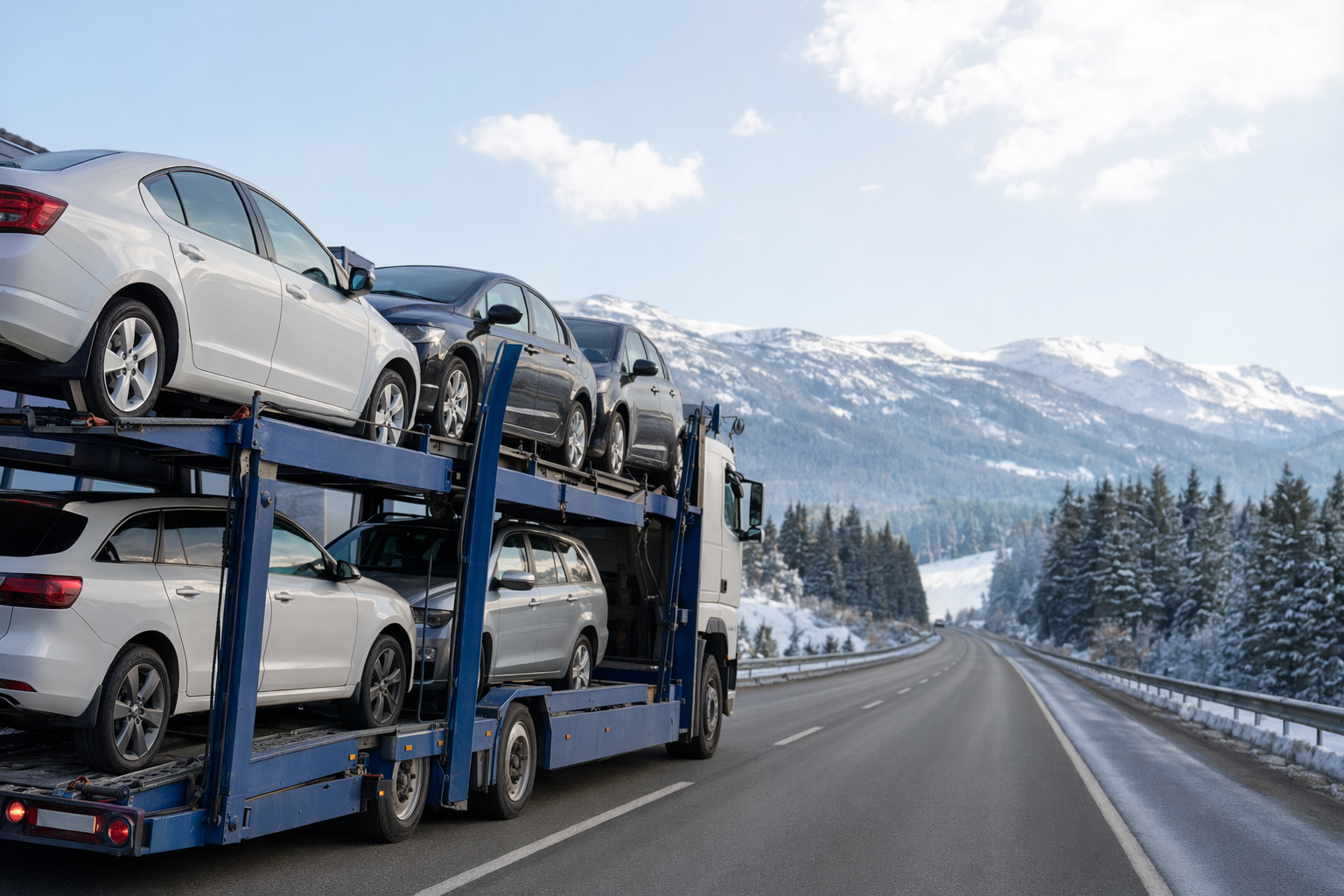
The best time to ship a car depends on your lane first: where the car is going, how flexible your pickup window is, and whether you need open or enclosed transport. There is no single cheapest month for every route, but some seasons are easier to book, some are faster, and some usually cost more.
Start with the route, not the month
A short in-state or nearby interstate lane works differently than a long cross-country route. Busy lanes with regular truck traffic usually move faster and price more steadily. Remote pickup or delivery points, mountain routes, and weather-heavy lanes can add time and cost in any season.
Most people ship on open transport because it is the most common and usually the lower-cost option. Enclosed transport is useful for higher-value, classic, exotic, or very weather-sensitive vehicles, but it typically costs more and may have fewer available trucks on some lanes.
As a rough guide, shorter regional routes often land around $500 to $1,000 on open transport. Mid-distance interstate routes often fall around $800 to $1,400. Cross-country lanes often run about $1,100 to $2,000 on open transport, with enclosed commonly higher by 30% to 60% or more. These are estimate ranges, not quotes. The real number depends on the route, vehicle size, season, and timing.
If you are new to the process, read how car shipping works first. It helps to understand the lane, the pickup window, and what affects dispatch before you compare offers.
Spring, summer, fall, and winter each have trade-offs

Spring is often a practical time to ship. Weather is usually easier than winter on many lanes, and the market has not always hit peak summer pressure yet. On many routes, transit time can be fairly normal and pricing can be more predictable, though popular relocation lanes may still tighten up.
Summer is busy. Families move, students relocate, and many people want the car delivered before a firm date. On high-demand lanes, that can mean higher prices and less flexibility. Typical pickup windows may stretch if you are trying to book late on a hot route. If you need summer shipping, booking earlier usually helps.
Fall is often one of the easier times to book on many lanes. Demand can soften after peak moving season, and weather is still manageable in a lot of the country. For many customers, early fall offers a good balance of price, truck availability, and transit time.
Winter can be good or difficult depending on the lane. Some southern routes move normally. Northern lanes, mountain passes, snow states, and holiday periods can bring delays, route changes, and added cost. A winter shipment is not automatically a bad idea, but you should expect wider pickup windows and be realistic about transit time.
When shipping is usually cheaper, and when it usually costs more
If your goal is to save money, the best time is usually when your route is active and your timing is flexible. That often means avoiding major holiday weeks, avoiding last-minute bookings, and giving the carrier or broker a reasonable pickup window. A car that can be picked up over 3 to 5 days is often easier to price than a car that must load on one exact day.
Rates often rise when demand jumps faster than truck capacity. Common examples:
- Late spring and summer moving season
- Snowbird lanes in fall and early spring
- Holiday weeks and year-end rush periods
- Last-minute shipments with very tight pickup windows
- Remote locations that require extra driving off the main lane
Rates are often more manageable when:
- You book 1 to 3 weeks ahead on a normal lane
- You can meet near a wider road or easier truck-access point for door-to-door shipping
- You use open transport instead of enclosed
- Your dates are flexible and not tied to a guaranteed same-day pickup
Typical transit times also shift with season. A short regional lane may take 1 to 4 days in transit after pickup. Mid-distance lanes may take 3 to 6 days. Cross-country routes often take 7 to 10 days, sometimes longer in winter or during heavy seasonal demand. Those are typical windows only, not guarantees.
The best time to ship if you need speed, flexibility, or extra protection
If speed matters most, the best time is simply before your deadline becomes urgent. Book early, stay flexible on pickup, and be ready with the car. Last-minute shipping is possible on some lanes, but it usually costs more and gives you fewer options. If you truly need faster handling, expedited car shipping may help on some routes, but availability and pricing vary by lane.
If flexibility matters most, aim for a moderate-demand period and avoid peak holiday traffic. Early fall is often practical for many routes. Spring can also work well, especially if you are not on a weather-sensitive northern lane.
If you want extra protection from weather or road debris, enclosed transport may make sense regardless of season. It is commonly chosen for classic, luxury, collector, and exotic vehicles. In winter, enclosed can be worth considering on long northern routes, but you should still expect estimate ranges and typical transit windows rather than promises.
If you are shipping coast to coast or over a long multi-state lane, compare route options carefully. Cross-country car shipping usually works best when you plan ahead and leave room for pickup and delivery coordination.
How to plan the timing so you are not overpaying
A simple timeline helps. The goal is to give the lane enough time to attract solid offers without waiting so long that you are forced into a rush booking.
- Start comparing 1 to 3 weeks before your first available pickup date on a standard route.
- Share accurate shipment details: pickup city, delivery city, vehicle year/make/model, whether it runs, and your date range.
- Compare the route, service type, and timing before you compare the number.
- Ask for the total price, the pickup window, and whether the car goes open or enclosed.
- Confirm the carrier's or broker's USDOT/MC number and insurance yourself, and get the price and pickup window in writing before booking.
Be careful with quotes that are far below the others. That can mean the number is only meant to get your booking and may not reflect what the lane actually needs at dispatch. Other warning signs are pressure to book today, a large upfront deposit, no USDOT/MC number, or vague answers about insurance and timing. For a full checklist, see how to vet a car shipping company.
LaneFerry is a free matching service. You share contact and shipment details, then compare options from licensed, insured carriers and brokers. You choose who to book with, and you should still verify USDOT/MC and insurance yourself and confirm the final price and pickup window in writing.
Best months by situation: a practical way to decide
If you want a practical rule, think in terms of "best for your goal" rather than "best for everyone."
- Best for lower stress on many lanes: early fall
- Best for avoiding peak summer pressure: spring or early fall
- Best for strict school or move-in deadlines: earlier booking, not a specific month
- Best for northern winter lanes: before heavy snow if possible
- Best for collector or high-value cars: whenever you can book enclosed with enough lead time
If you are relocating to the US, buying a car in another state, or arranging this from another city or country, keep the plan simple. Start with the route. Decide open or enclosed. Decide whether your pickup window is flexible. Then compare estimate ranges using what it costs. Help is often available in more than one language, and the matching service is free to the customer.
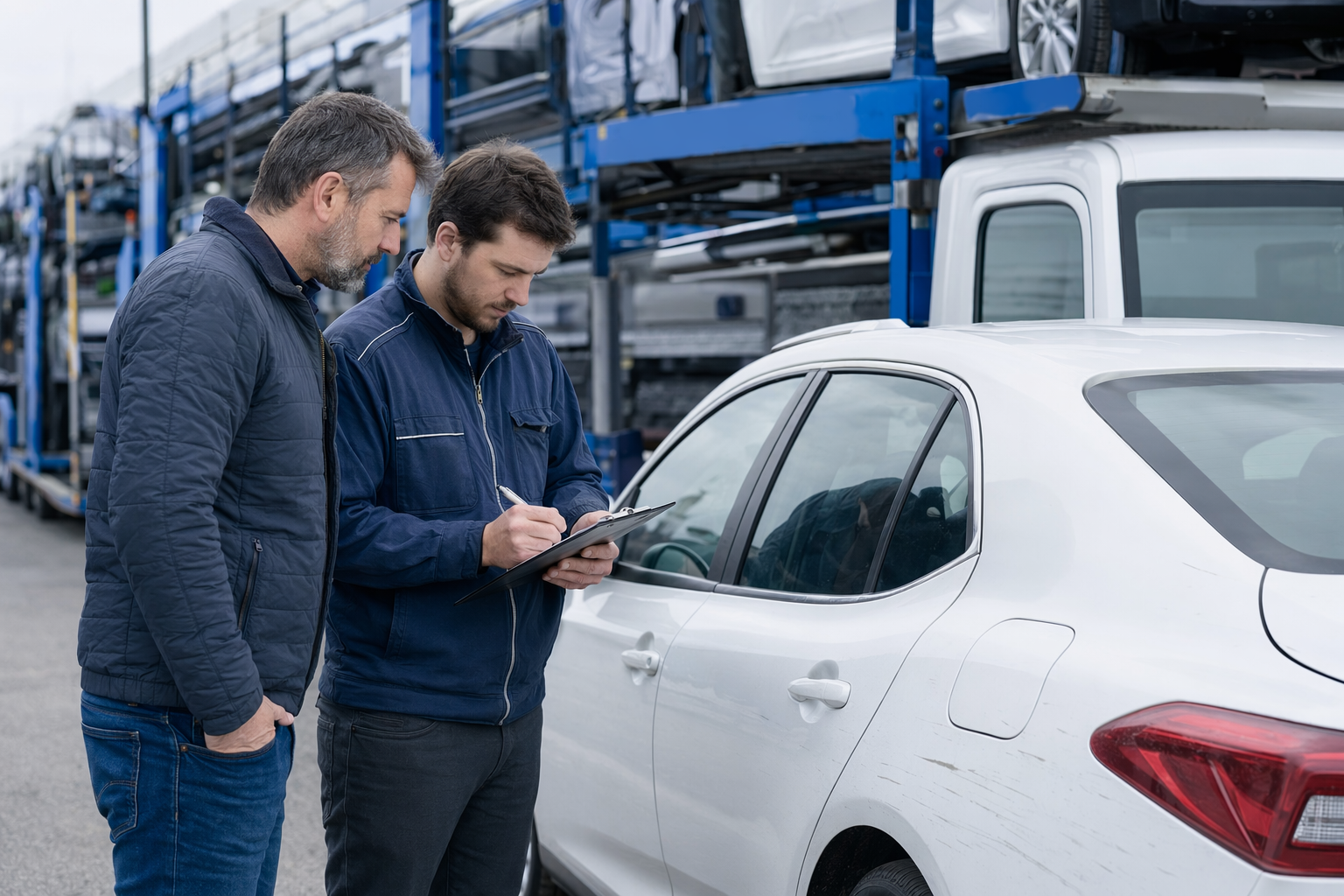
One last point: the best time to ship is often the time when you are prepared. Clean out personal items, keep about a quarter tank of gas, take photos at pickup, and review the inspection report. Good timing helps, but good preparation also prevents delays and surprises.
The best time to ship a car is when your route is active, your dates are flexible, and you have enough lead time to compare real offers instead of rushing into an expensive or risky booking.