How a family shipped two cars cross-country for a new job
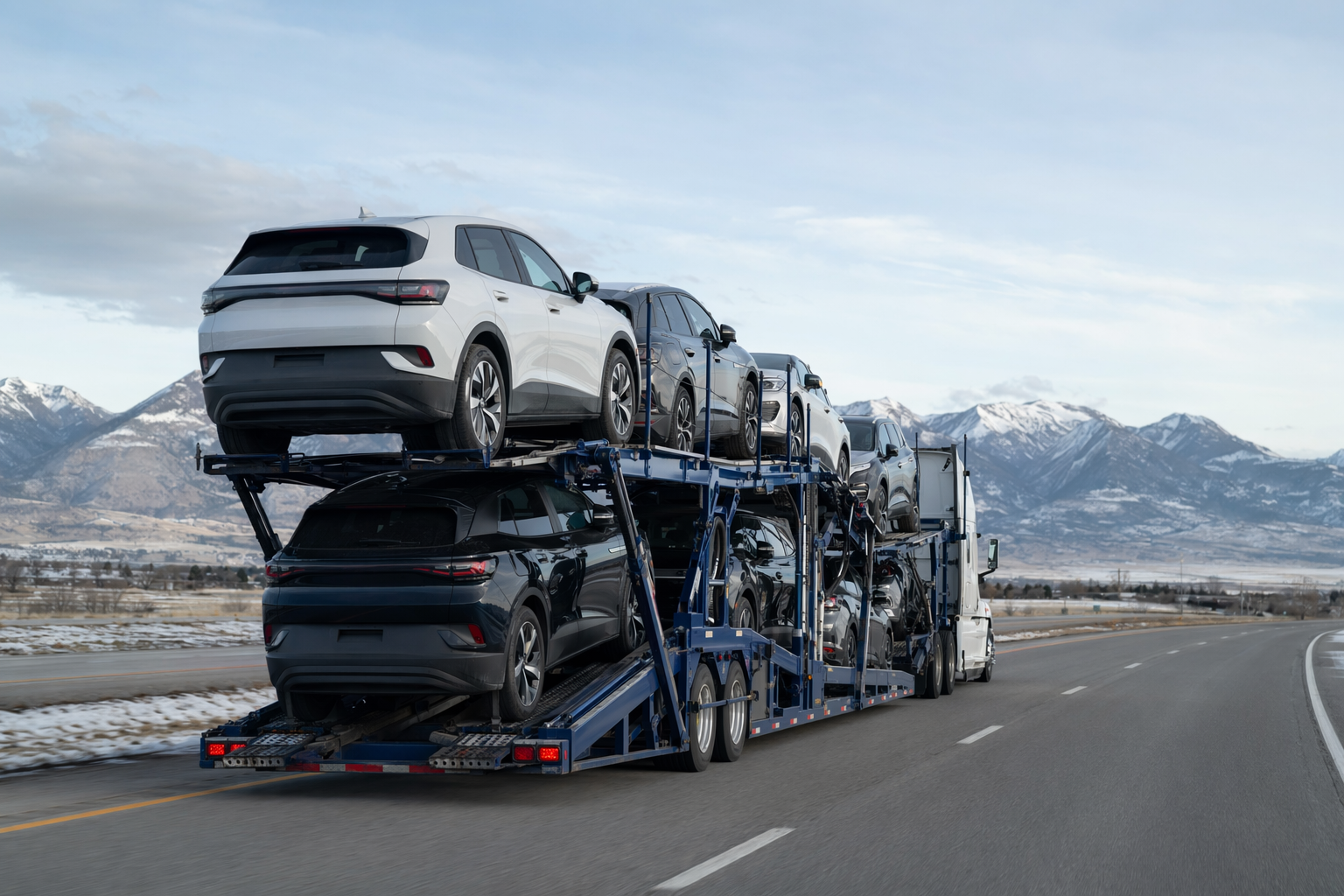
A family moving from Florida to Washington for a new job needed a practical plan for a long lane, two vehicles, and a tight handoff between moving dates. This anonymized story walks through the route, the choices they made, and the typical cost and transit ranges they saw before choosing a licensed, insured carrier through LaneFerry’s free matching service.
The route came first: Florida to Washington, two cars, one move date
They were relocating from Florida to Washington and needed to get two family cars to the new city without adding a second long road trip. That lane is a true cross-country route. It usually means a longer pickup window, several days in transit, and more attention to timing than a short interstate move.
Their first decision was not the carrier. It was the route plan. Could both cars leave from the same pickup area? Could they receive both at the same delivery area? Was door-to-door realistic on each end, or would a nearby parking lot or terminal-style handoff be easier for a large truck?
Because they were moving household items and starting a new job, they wanted fewer moving parts. They looked at cross-country car shipping first, then compared open vs enclosed and door-to-door vs a more flexible meetup point. LaneFerry’s role was only to help them compare licensed, insured carriers and brokers for that lane. The service itself was free to them.
Why they chose open transport for both vehicles
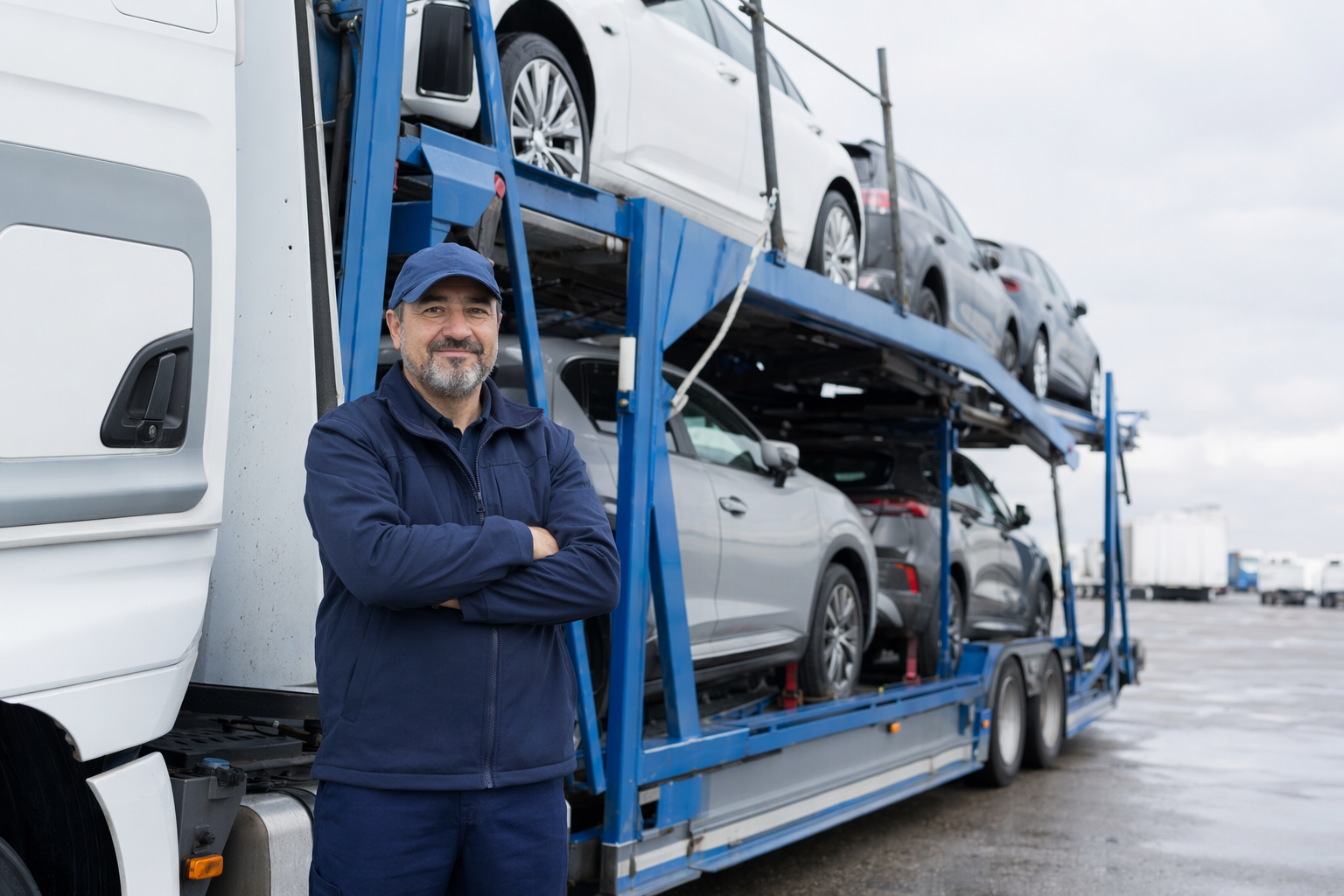
Both cars were standard daily drivers. Not exotic, not oversized, and not collector vehicles. For that reason, open transport made the most sense. On a route this long, open is usually the lower-cost option and the most common setup on the road.
They also looked at enclosed transport. Enclosed can make sense for classic, luxury, or very low-clearance vehicles, but it typically costs more and may have fewer trucks running a given lane. For their move, the trade-off was simple: they wanted dependable space on a common route without paying for protection they did not need.
Typical open-carrier pricing they saw for this kind of long lane was about $1,300 to $2,100 per car, depending on the exact Florida and Washington locations, vehicle size, season, and timing. For two cars, that put the combined estimated range at roughly $2,600 to $4,200. Enclosed would usually run higher. If you are weighing the same choice, compare open transport with what it costs before you decide.
One thing they learned quickly: a quote far below the others is not always a bargain. It can be a sign of bait pricing, weak availability on the lane, or a last-minute change later. They ignored the cheapest number and focused on written terms, insurance confirmation, and the pickup window.
Timing was the real issue, not just the price
Their biggest concern was not the line-item cost. It was whether the cars would leave and arrive close enough to their moving schedule. For a Florida-to-Washington route, a typical pickup window can be about 1 to 5 days from booking readiness, and typical transit time is often around 7 to 11 days once the vehicles are on the truck. Those are normal ranges, not guarantees.
They had hoped both cars would be picked up on the same day and delivered together. In practice, long lanes do not always work that neatly. Even when the cars are booked at the same time, dispatch can shift based on truck space, other vehicles on the route, weather, traffic, and how close the addresses are to main carrier lanes.
What helped was flexibility. They were able to offer a small pickup window instead of demanding one exact hour. They also chose a delivery contact in Washington who could meet the truck if the carrier could not safely access their residential street. That made dispatch easier and reduced the chance of delay.
Before booking, they asked every company to confirm the estimated price and pickup window in writing. They also verified the carrier or broker’s USDOT/MC number and asked for proof of insurance. That step matters. Always check the USDOT/MC number and insurance yourself before you commit.
Door-to-door usually meant near the home, not always at the curb
At first, they assumed door-to-door meant a truck would pull directly into both driveways. On a long-haul lane, that is not always possible. Large carriers may avoid narrow residential streets, low branches, tight turns, apartment lots, or streets with parking limits.
In their case, pickup in Florida happened close to home, but not exactly at the curb. Delivery in Washington was similar. The truck met them at a wider nearby location that was safer for loading and unloading. That is still commonly described as door-to-door in this industry.
This was not a problem once they understood the term. In fact, it made the handoff faster. If your street is tight or busy, it helps to expect a nearby meeting point. You can read the general process on how car shipping works.
They also asked what they should do before pickup. The basics were simple: remove personal items, leave about a quarter tank of fuel, document the car’s condition with photos, and make sure the keys and contact numbers were ready. Those steps made check-in smoother and reduced confusion on pickup day.
What they would do the same, and what they would do earlier next time
They would still ship both cars instead of driving them across the country. For a family job relocation, preserving time and energy mattered. The route was long, hotels and fuel would add up, and arriving less tired had real value.
What would they do differently? They would start comparing options earlier. On a major lane, earlier planning usually gives you a wider choice of pickup windows and less stress around dispatch. They would also ask more clearly whether both vehicles were likely to move on the same truck or just on the same overall route.
Their checklist for next time would be:
- Start the search early and compare written estimates, not just the lowest number.
- Verify the USDOT/MC number and insurance yourself.
- Confirm the estimated price and pickup window in writing before booking.
- Ask whether the addresses can handle a large truck or if a nearby meetup point is more realistic.
- Watch for scam signs: a very low quote, a large upfront deposit, no USDOT/MC number, or pressure to book today.
If you are planning a similar move, LaneFerry can help you compare licensed, insured carriers and brokers for free. Help may also be available in your language. You share contact and shipment details only, then choose the company and confirm the terms yourself through get matched or review how to vet a car shipping company before booking.
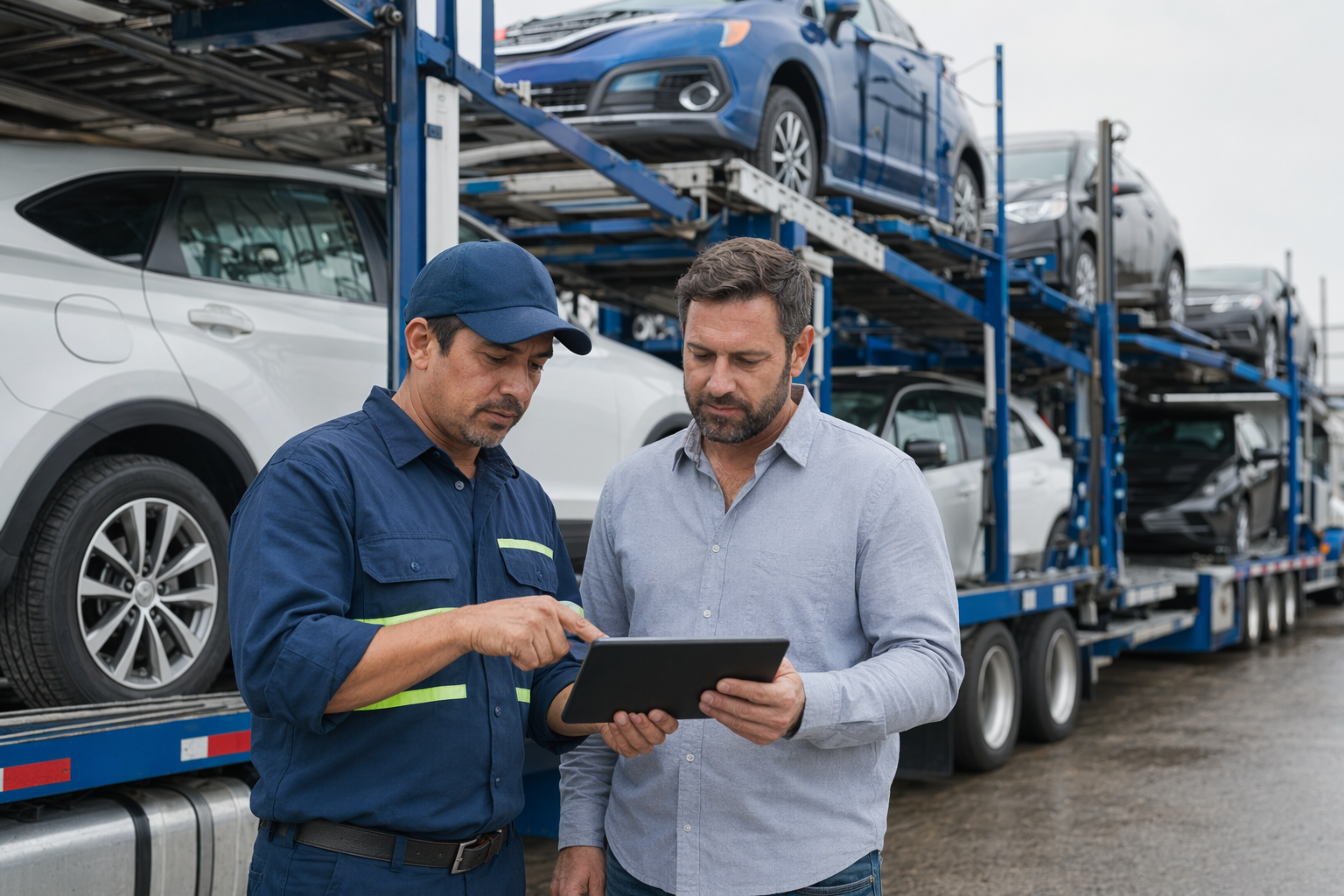
This family shipped two everyday cars from Florida to Washington on an open carrier, and the main lessons were to plan the route early, expect timing to move a little, and verify the company and written terms yourself.