How to ship a non-running (inoperable) car
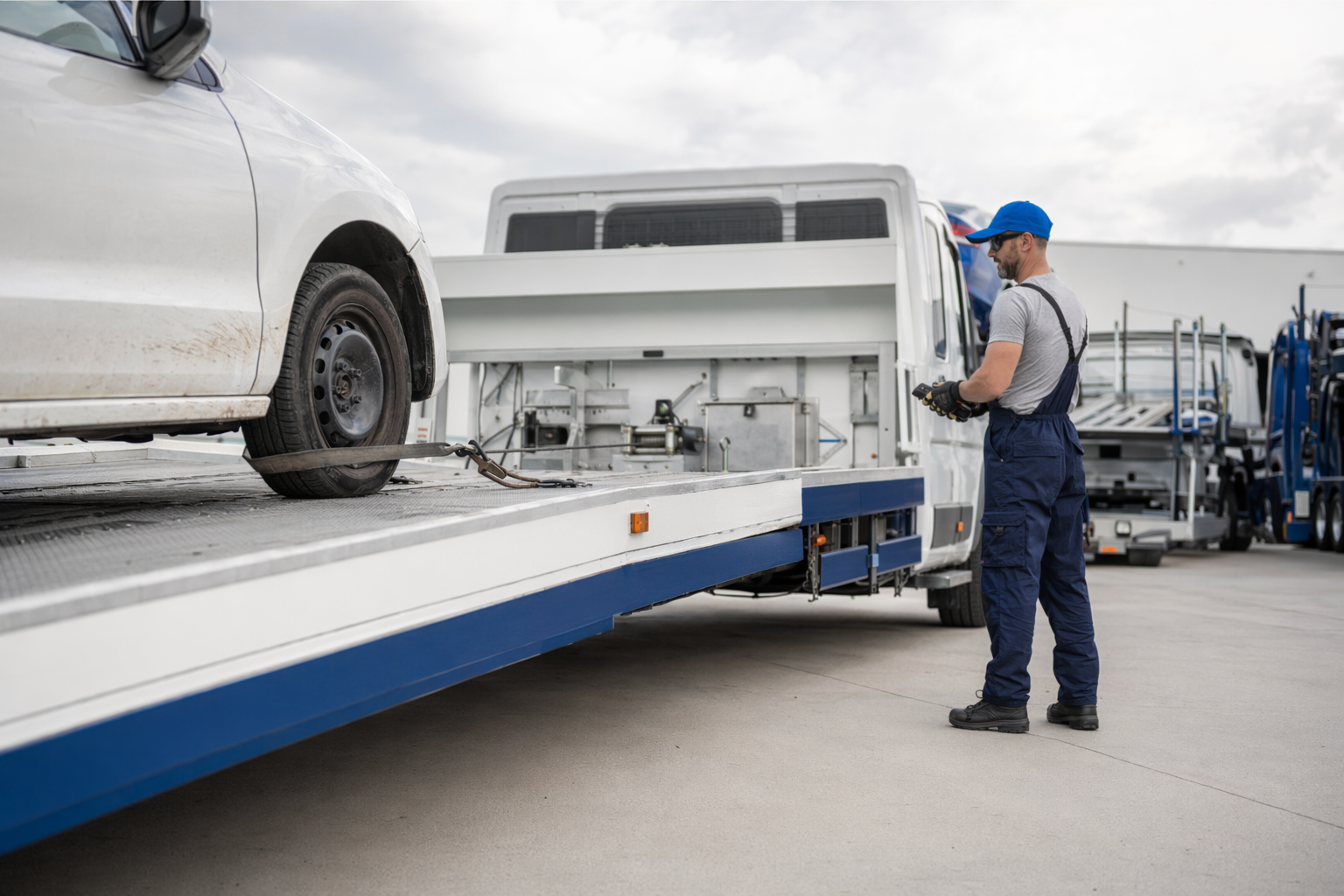
Start with the route. A non-running car can usually ship on most interstate lanes, but the carrier needs the right equipment and clear details before they accept it. This guide walks through how inoperable shipping works, what affects cost, and how to avoid bad surprises before dispatch.
What "non-running" means on a shipping order
On an auto-transport order, "non-running" usually means the car cannot move under its own power. That can include a dead battery, engine problem, transmission issue, flat tires, brake issues, or steering damage. The exact condition matters because loading equipment depends on what still works.
Tell the carrier or broker exactly what the car can and cannot do. Can it roll in neutral? Does it steer? Do the brakes hold? Are the tires inflated? A car that rolls and steers is much easier to load than one that is fully immobile.
This is where people get overcharged or delayed. If the order says "runs" and the truck arrives to find a car that needs a winch or forklift, the driver may refuse pickup or add a fee. Be specific up front so the right truck is dispatched.
If you are new to the process, review how car shipping works first. It helps to understand the lane, pickup window, and how dispatch is set before you compare options.
How non-running cars are loaded and which option fits the route

Most non-running cars ship on open transport if the route is common and the vehicle can be winched onto the trailer. Open transport is usually the lower-cost option. Enclosed transport is more common for high-value, classic, low-clearance, or delicate vehicles, or when extra protection matters more than price.
Door-to-door is the usual setup, but it still depends on truck access. On narrow streets, apartment complexes, or dense city blocks, the driver may arrange a nearby meeting point with enough room to load safely. If your route starts or ends in a tight area, ask about that before booking. You can compare open transport with door-to-door shipping if you are deciding between setup and cost.
For a car that does not roll, does not steer, or has locked brakes, the carrier may need special equipment beyond a standard winch. On some lanes, that reduces the number of trucks willing to take the order. Fewer available trucks usually means a higher price and a longer pickup window.
If the car is valuable or fragile, enclosed auto transport may make sense, but ask first whether the carrier can handle the exact inoperable condition. Not every enclosed trailer is set up for every non-running load.
Typical cost ranges and transit times for an inoperable car
Route comes first, then condition, then timing. A non-running car usually costs more than a running one because loading takes more time, more equipment, and sometimes a more specialized trailer. The final number depends on the lane, the vehicle, season, and how flexible you are on pickup.
Typical interstate ranges for a standard-size non-running car on open transport:
- 0 to 500 miles: about $700 to $1,200
- 500 to 1,000 miles: about $900 to $1,500
- 1,000 to 2,000 miles: about $1,200 to $2,000
- 2,000+ miles: about $1,500 to $2,500
Common extra-cost factors:
- The car does not roll, steer, or brake normally
- SUV, truck, van, or oversized vehicle
- Rural pickup or delivery off the main lane
- Fast pickup request or tight timing
- Snowbird season, summer peak, or severe weather
- Enclosed trailer requirement
Typical transit time on a major lane is often 1 to 3 days for short routes, 3 to 6 days for mid-range routes, and 7 to 10 days for longer cross-country lanes. Pickup usually happens within a pickup window, not at an exact guaranteed hour. For a fuller breakdown, see what it costs.
What to do before pickup so the truck can actually load it
A non-running order goes smoother when the carrier knows the condition in plain terms and the car is ready for loading. Small details matter here.
Use this checklist before dispatch:
1. Share the exact condition. Say whether it rolls, steers, brakes, starts, shifts into neutral, and has inflated tires.
2. Send current photos from all sides. Include close shots of damage, flat tires, and the interior if the parking brake is stuck.
3. Make sure the car is accessible. It should not be blocked in by other vehicles.
4. Remove personal items and loose parts where possible. Carriers usually do not want household goods in the vehicle.
5. Confirm the pickup contact can hand off keys and describe the car's condition clearly.
If the battery is dead but the car otherwise rolls and steers, say that. If a wheel is broken or missing, say that too. The more exact you are, the better the match.
Before booking, ask for the price and pickup window in writing. Then verify the carrier's or broker's USDOT/MC number and insurance yourself. LaneFerry is a free matching service that helps you compare licensed, insured carriers and brokers. It does not move vehicles or broker shipments itself.
You can also use a prep checklist at prepare your car for shipping, but for an inoperable car, add condition notes that explain how it will be loaded.
How to compare quotes and avoid non-running car scams
When you compare quotes for an inoperable car, do not look at price alone. Look at whether the company actually read the condition notes and priced the lane correctly. A very low number often means they assumed the car runs, or they plan to raise the price later when dispatch gets harder.
Watch for these warning signs:
- A quote far below the others on the same route
- Pressure to book today or lose the rate
- No USDOT/MC number, or reluctance to share it
- Vague answers about how a non-running car will be loaded
- Large upfront deposits before a carrier is assigned
- Refusal to confirm the price and pickup window in writing
Ask simple, direct questions. Will the car be winched? Can the assigned truck handle a vehicle that does not steer? Is there an extra fee if the tires are flat? What is the typical pickup window on this lane? Clear answers usually mean a better dispatch process.
If you want help sorting real offers from bad ones, use how to vet a car-shipping company or get a free match at get matched. Help is often available in more than one language, and the matching service is free to the customer.
A simple step-by-step plan
If you are shipping a non-running car for the first time, keep it orderly. The route first. The vehicle condition second. Then compare offers on the same facts.
- Gather the route: pickup city, delivery city, and whether either end has truck-access issues.
- Describe the car honestly: runs or not, rolls or not, steers or not, brakes or not, tire condition, and any damage.
- Choose the setup: open or enclosed, door-to-door or nearby meeting point if access is tight.
- Compare written offers from licensed, insured carriers or brokers matched to the lane.
- Verify USDOT/MC number and insurance yourself.
- Confirm price and pickup window in writing before booking.
That process will not guarantee the lowest number or the fastest transit time, but it does reduce the chance of a failed pickup, surprise fee, or dispatch delay. With a non-running car, accuracy matters more than speed on day one.
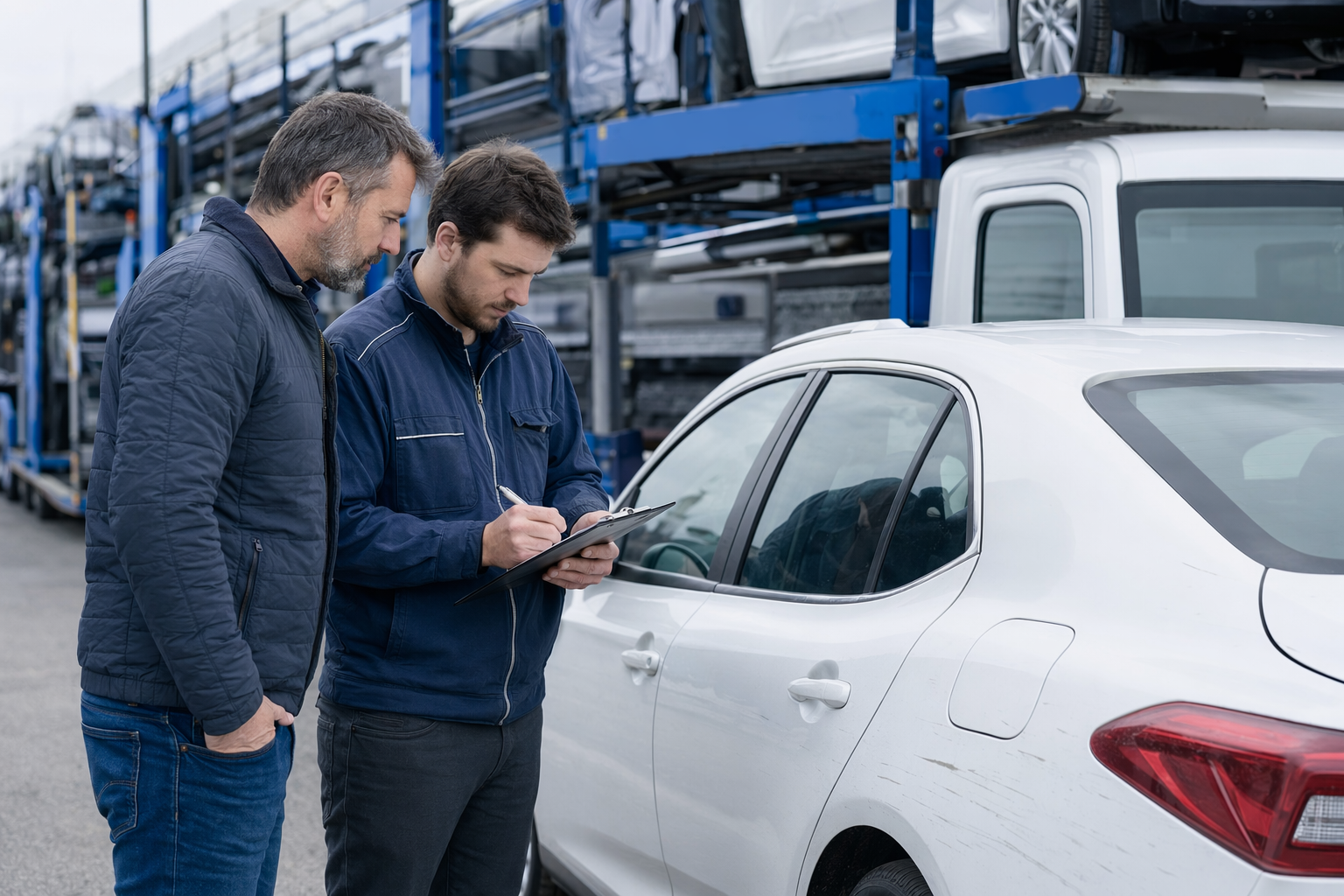
A non-running car can usually be shipped, but the carrier needs the real condition up front, and you should expect higher cost ranges and a wider pickup window than for a running car.