Scam-spotting checklist
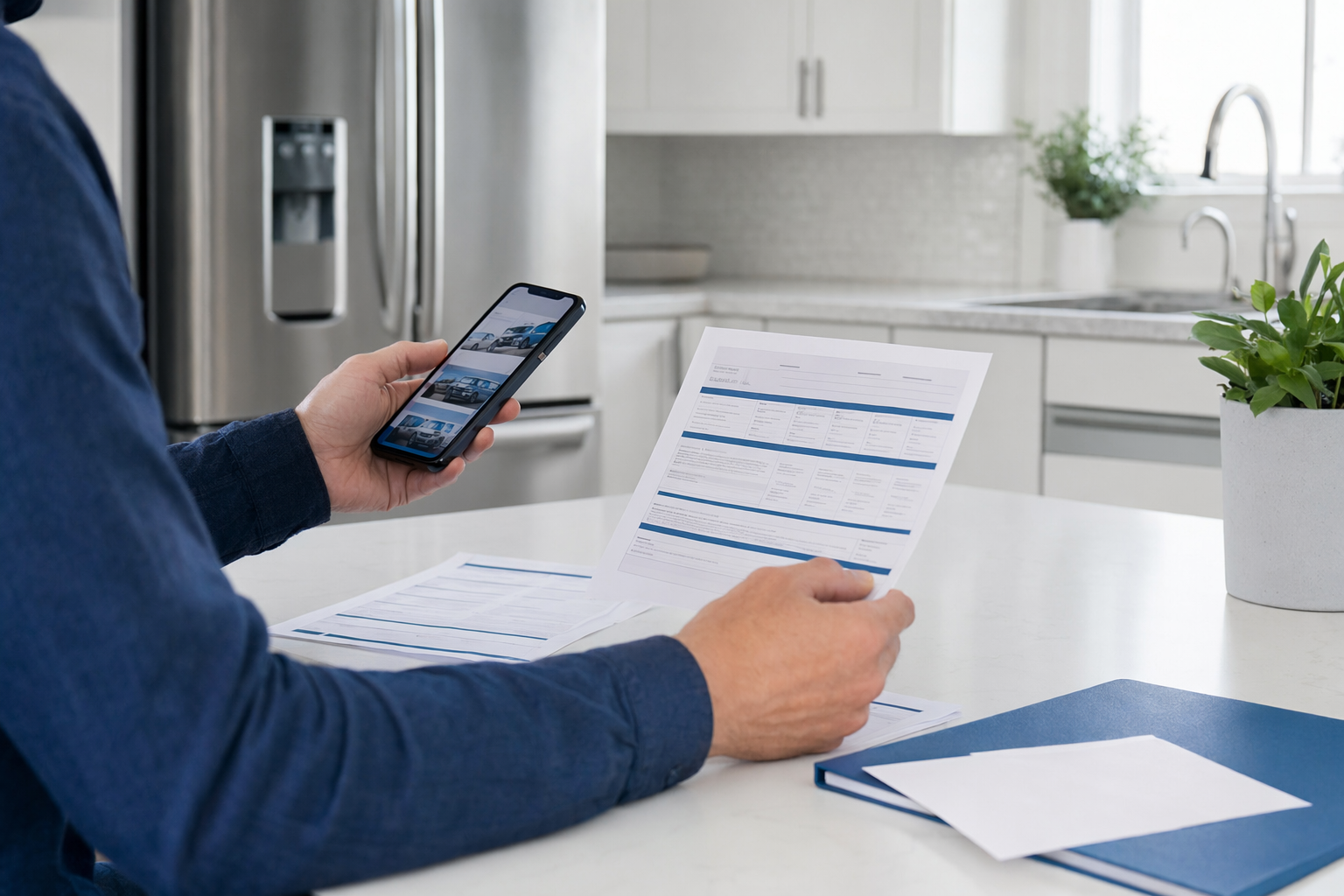
Shipping starts with the lane: where the car is going, how fast you need it picked up, and whether open or enclosed fits the vehicle. This free checklist helps you spot auto-transport scam signs before you book, compare offers calmly, and confirm the price and pickup window in writing.
What this checklist is for
This tool is a plain-English review before you choose a company for your route. Use it after you get a few offers and before you book. It helps you catch the common red flags: a quote far below the others, a large upfront deposit, no USDOT or MC number, or pressure to decide today.
LaneFerry is a free matching service. We do not move vehicles or broker shipments. We connect customers with licensed, insured carriers and brokers so you can compare options for your lane and choose what works for you.
You can use this checklist for any route, whether it is a short interstate move or cross-country car shipping. A free downloadable PDF is also available if you want something easy to save, print, or share with a family member.
How to use the checklist
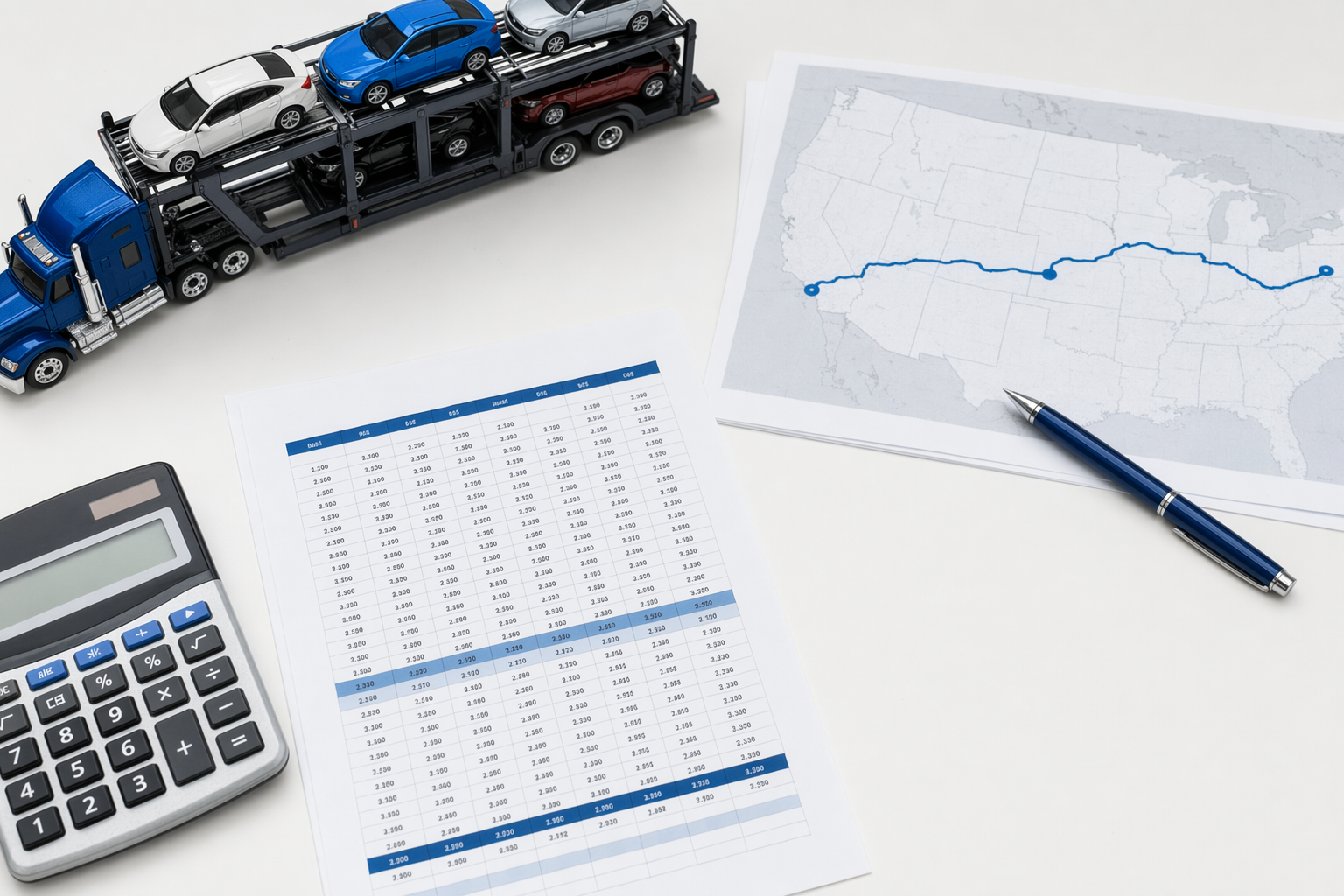
Start with the route and the shipment details. Confirm the pickup city, delivery city, vehicle year, make and model, whether it runs, and whether you want open or enclosed. Then compare each offer on the same basis so you are not mixing different services.
Use the checklist in this order:
- Check the company's USDOT and MC number and verify that the number matches the business name.
- Ask for proof of active insurance and confirm what is covered directly with the company.
- Compare the price range to the other offers for the same lane.
- Ask what the pickup window usually looks like and get the price and pickup terms in writing before booking.
- Read cancellation, refund, and payment terms carefully.
If you are new to the process, read how car shipping works first, then come back to this checklist. If anything feels rushed or unclear, pause. A normal company should be able to explain the route, service level, pickup window, and payment terms in plain words.
The scam-spotting checklist
Use this as a working list. One red flag does not always mean fraud, but several together should make you walk away.
1. The quote is much lower than the others.
- If one offer is far below the rest for the same lane, ask why.
- Very low quotes can be used to get your booking, then raised later when dispatch starts.
- Auto transport prices are route-based and move with season, vehicle size, timing, and capacity. Use ranges, not promises. See what it costs.
2. They ask for a large upfront deposit.
- Be careful with big deposits before a carrier is assigned or before terms are clear.
- Ask when any payment is due, whether it is refundable, and under what conditions.
- Confirm all charges in writing before you agree.
3. They will not give a USDOT or MC number.
- A licensed carrier or broker should be able to provide identifying numbers.
- Check that the number matches the company name you are dealing with.
- If they avoid the question, stop there.
4. They cannot show proof of insurance.
- Ask for current insurance information and confirm the details directly with the company.
- Do not rely on verbal assurances alone.
- This is general education only. Confirm coverage limits, exclusions, and claims steps directly with the company.
5. They pressure you to book right now.
- Be cautious if you hear "today only," "this driver is leaving in an hour," or similar pressure.
- Real lanes do move quickly sometimes, but you should still have time to review written terms.
- A rushed decision is how many people miss hidden fees or weak cancellation terms.
6. The price changes after you say yes.
- Ask whether the amount is an estimate or a confirmed booking price.
- If the company says the original number was only to get your attention, walk away.
- Confirm the agreed price and pickup window in writing before booking.
7. They avoid basic route questions.
- A real transport conversation usually covers the lane, vehicle condition, open vs enclosed, and door-to-door vs terminal.
- If the representative cannot explain how those choices affect price and transit time, that is a bad sign.
- You can compare open transport and enclosed service before you decide.
8. No written terms.
- Do not book from a text message alone or a vague phone call.
- Ask for written confirmation that shows the route, service type, estimated charges, cancellation terms, and pickup window.
- If the written version does not match the call, trust the written mismatch and do not proceed.
9. They ask for unusual payment methods.
- Be careful if you are pushed toward hard-to-trace payment methods or asked to send money before basic verification.
- LaneFerry only collects contact and shipment details for matching. Never share financial account numbers, SSNs, or payment details with us.
- Confirm directly with the company how payment works before booking.
10. Reviews and business details do not line up.
- Look for a consistent company name, phone number, website, and transport authority details.
- If names change from ad to ad or paperwork to paperwork, ask why.
- A mismatch can be a sign you are not dealing with the company you thought you were.
11. They promise exact pickup or delivery dates without normal caveats.
- Traffic, weather, capacity, and route changes affect transit.
- Good companies usually give a pickup window and a typical transit time, not a guaranteed delivery promise.
- Be skeptical of certainty where the lane is naturally variable.
12. They refuse to answer damage, inspection, or contact questions.
- Ask how vehicle condition is documented at pickup and delivery.
- Ask who you contact during transit and what happens if timing changes.
- Evasive answers now usually mean poor communication later.
What a safer booking process looks like
A safer process is slower by a few minutes, not by weeks. You compare a few offers for the same route, look at the service level, check the company's USDOT and MC number, review insurance, and get the price and pickup window in writing before you book.
You also choose based on the lane, not just the lowest number. A common route with flexible timing may price lower and move faster than a rural route with tight dates. Enclosed usually costs more than open. Door-to-door is common, but some streets require a nearby meeting point, and terminal service may be an option on some lanes.
If you want a second set of eyes, use a free matching service and compare offers in one place. LaneFerry can help you review options in your language and narrow down licensed, insured companies for your route. You still choose the company and confirm details yourself. For more on screening companies, see how to vet a car shipping company.
Download the PDF and keep it with your quotes
The downloadable PDF version is made for real use. Save it to your phone, print it, or send it to a parent, spouse, or coworker helping with the move. It is especially useful if you are comparing several companies over a few days and do not want to miss small differences in terms.
Use the PDF next to each quote and mark off the same items every time: route, service type, estimated price range, pickup window, USDOT and MC number, insurance confirmation, cancellation terms, and who you spoke with. The goal is simple: fewer surprises at dispatch and fewer chances of overpaying.
When you are ready, you can get matched for free. Share only contact and shipment details. Then compare your options, verify the company's authority and insurance yourself, and confirm the final price and pickup window in writing before booking.
This checklist helps you avoid shady auto-transport offers by checking the route, the paperwork, the price range, and the pressure tactics before you book.