Shipping a car texas to california
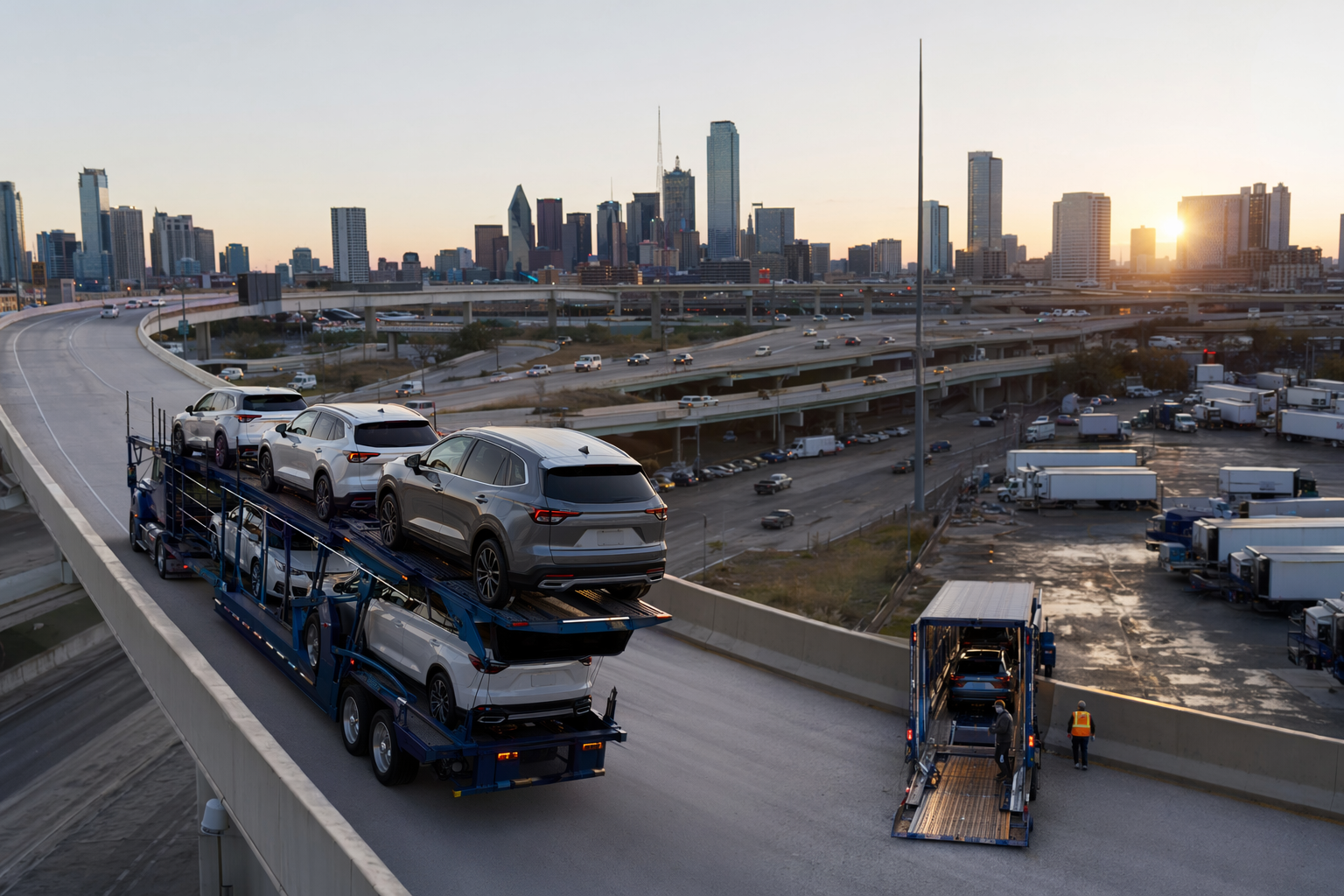
Texas to California is a busy westbound lane, especially from Dallas, Houston, Austin, and San Antonio into Los Angeles, San Diego, the Bay Area, Sacramento, and Inland Empire stops. Most standard vehicles ship on this route for about $850 to $1,250 with a typical transit time of 3 to 5 days, but those are estimates that can move up or down based on the exact route, vehicle, season, and pickup timing.
Texas to California lane: route first, then the number
This lane is common, but it is not one single trip. Dallas to Los Angeles, Houston to San Diego, Austin to San Jose, and San Antonio to Sacramento all price a little differently because carrier capacity, highway access, and delivery density change by route.
For most sedans and small SUVs on open transport, a typical range is about $850 to $1,250. Enclosed usually costs more. Transit time is often around 3 to 5 days once the vehicle is picked up, but the pickup window itself can vary depending on how quickly a carrier is dispatched and how close you are to a main truck route.
The biggest drivers on this lane are simple:
- Exact pickup and delivery ZIP codes
- Open vs enclosed trailer
- Vehicle size, weight, and condition
- Time of year and how flexible your pickup window is
- Whether the truck can reach your address safely for door-to-door service
If you are early in the process, it helps to review what it costs and how car shipping works before you compare options.
What affects price and transit time on this specific route
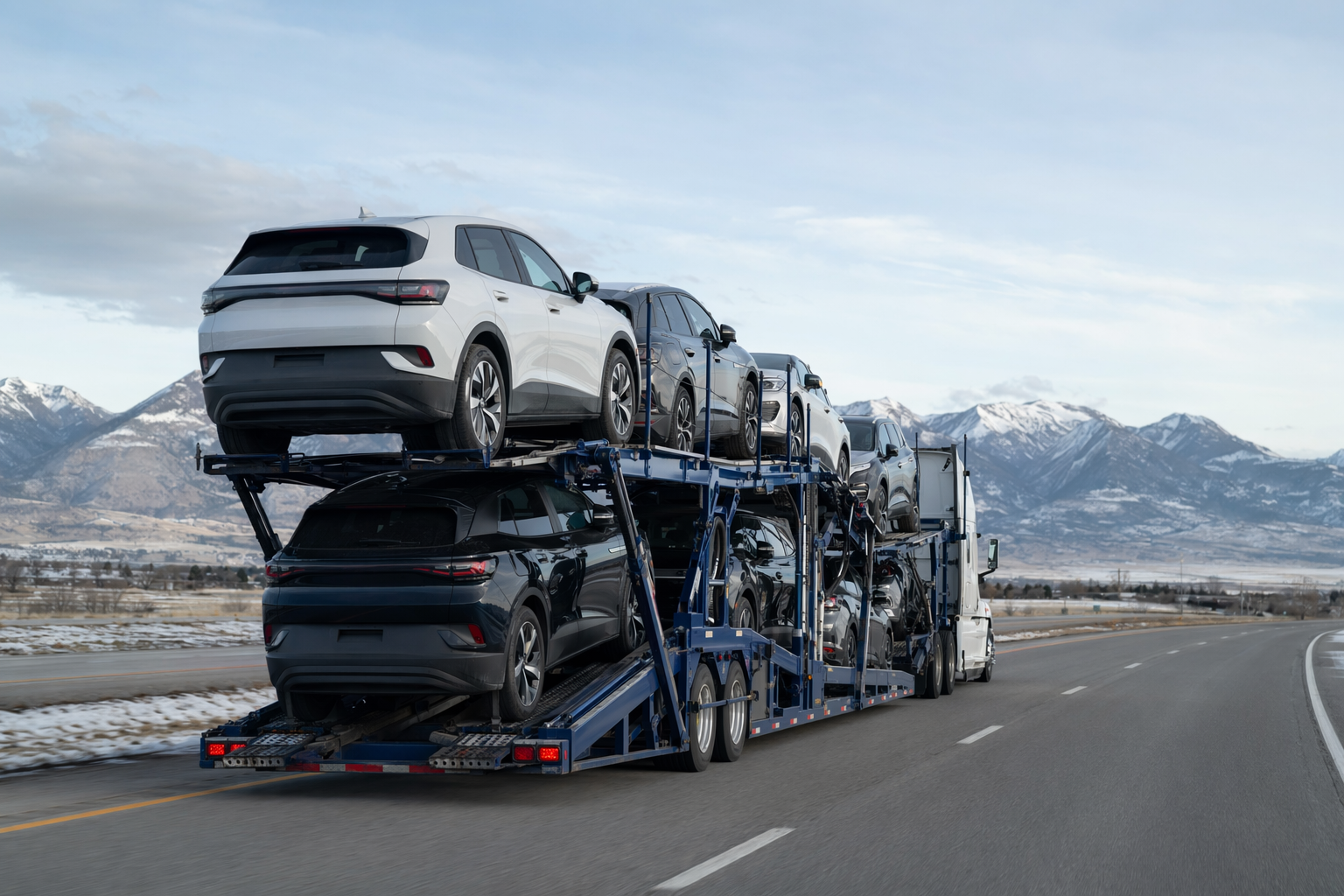
Texas to California usually moves west on major interstate corridors, which helps. But there is still a difference between a metro-to-metro move and a smaller-city move. A car leaving central Dallas and going to Los Angeles proper is usually easier to line up than a vehicle outside Lubbock headed to a smaller town inland from San Diego.
On this lane, lower prices usually show up when the route sits close to busy truck traffic and you can give a wider pickup window. Higher prices are more common when the vehicle is oversized, inoperable, lifted, modified, or heading to a remote delivery point. Last-minute requests can also cost more because dispatch has less time to match the load cleanly.
Transit time can stretch even on a busy lane. Southern California traffic, Bay Area access limits, mountain weather on some northern approaches, and multi-car trailer schedules all affect timing. Three to five days is typical in transit for many metro routes, but total calendar time can be longer if the first available pickup slot is a few days out.
The best way to compare offers is to line up the same details each time: same route, same vehicle, same first available date, and same service type. Then confirm the final price and pickup window in writing before you book.
Open vs enclosed on the Texas to California lane
Most cars on this route move on open transport because it is the most available option and usually the better value. For a standard daily driver going from Houston to Los Angeles or Austin to San Diego, open is often the practical choice.
Enclosed makes more sense when the vehicle needs more protection from road dust, weather, and exposure during a long interstate trip. Owners of classic cars, high-value vehicles, exotic cars, or freshly restored vehicles often look at enclosed auto transport on this lane, knowing the price is usually higher and space can be tighter.
A simple way to decide:
- Open: usually lower cost, more common on this lane, good for most standard vehicles
- Enclosed: usually higher cost, less trailer space available, often chosen for collector or specialty vehicles
If you are comparing the two, ask the carrier or broker what kind of trailer is being offered, whether the vehicle has low clearance issues, and what the expected pickup window looks like. Also confirm insurance details directly with the company you choose.
Pickup and delivery realities in Texas and California metros
Door-to-door usually means as close to your address as a large car hauler can legally and safely get. It does not always mean a tractor-trailer can turn onto every residential street, apartment lane, or gated complex road. On this route, that matters a lot in both Texas suburbs and California urban neighborhoods.
In Texas, pickups are often straightforward near major highways in Dallas-Fort Worth, Houston, Austin, and San Antonio. But newer subdivisions, narrow residential streets, and HOA restrictions can push the handoff to a nearby parking lot, retail center, or truck-friendly meeting point. Rural pickups outside the main metros can add time or cost because the truck may need to leave the main lane.
In California, delivery can be tighter. Downtown Los Angeles, dense Orange County neighborhoods, parts of San Francisco, Oakland hills, older San Diego neighborhoods, and some apartment-heavy zones often require a nearby meetup instead of curbside delivery. That is normal on door-to-door shipping. The truck still comes as close as practical, but access rules and street size decide the final stop.
A few steps make this easier:
1. Give clear pickup and delivery addresses early
2. Mention steep driveways, gated access, low trees, or street parking limits
3. Keep your phone on during the pickup window and delivery day
4. Have a backup meeting spot ready in case the truck cannot access the exact address
Seasonal patterns on Texas to California
This lane runs all year, but the price and timing can shift with the season. Summer is busy because of relocations, school breaks, and higher national demand. That can tighten capacity, especially if you need a fast pickup from a major Texas city on short notice.
Winter can be steady on southern routes, but California and western mountain weather still affects some schedules, especially for northern California deliveries or cross-country equipment repositioning. Holiday weeks can slow dispatch and reduce available pickup dates. Spring and early fall often give a good balance of availability and pricing, though there are no fixed low-season guarantees.
If you are trying to keep the number down on this lane, flexibility helps more than anything. A wider pickup window, a metro-area handoff point, and standard open transport usually create more matching options. If you need a tighter timeline, expedited car shipping may be available through some carriers or brokers, but expect a higher estimate and confirm the pickup window in writing.
For any season, be careful with quotes that come in far below the rest. On this lane, common red flags are a very low teaser price, pressure to book today, a large upfront deposit, or no clear USDOT or MC number to verify.
How to compare offers on this lane without getting surprised
LaneFerry is a free matching service. We collect contact and shipment details so you can compare options from licensed, insured carriers and brokers serving this route. We do not move vehicles, broker shipments, or take payment details.
When you review your matches, compare the route first, then the service, then the number. Make sure each company is pricing the same lane, the same vehicle, and the same pickup timing. A lower number is not always the better deal if the pickup window is vague or key terms are missing.
Before you book, do these basics:
- Verify the company's USDOT and MC number yourself
- Confirm active insurance directly with the company
- Get the final price and pickup window in writing
- Ask about open vs enclosed, door-to-door limits, and any extra charge for oversized or inoperable vehicles
- Read the inspection and delivery process before release
If you want help starting the comparison, you can get matched and then use our guide on how to vet a car-shipping company before choosing who to book with.
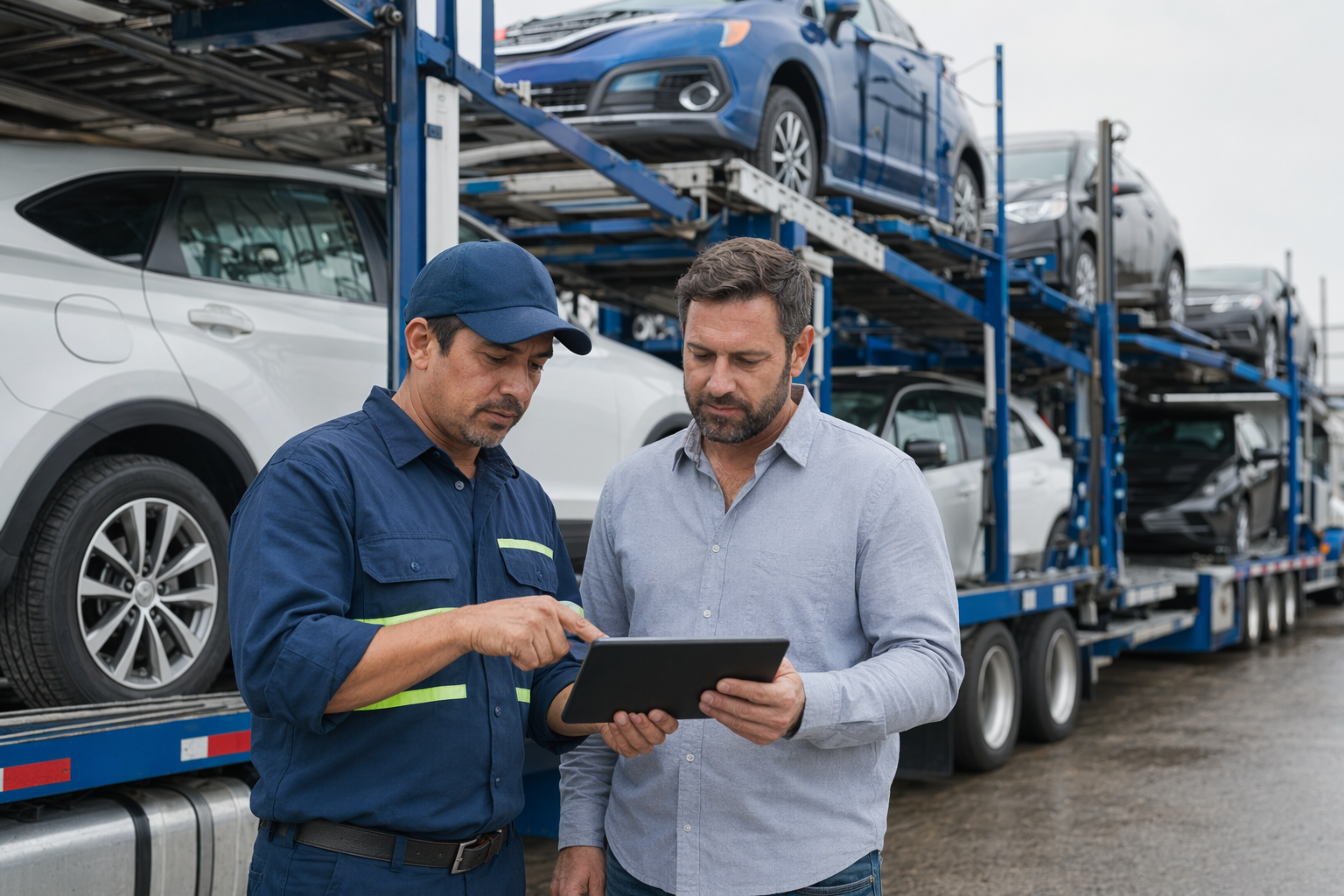
Texas to California is a common car-shipping lane, but the real price and timing depend on your exact route, your vehicle, the season, and how flexible your pickup window is.