Shipping a car new york to florida

Shipping a car from New York to Florida is one of the busiest auto-transport lanes in the country. On this route, a typical price is about $700 to $1,050 for [open transport](/services/open-car-transport/), with transit often running about 3 to 5 days after pickup, but the real number and timing depend on your exact route, vehicle, season, and pickup window.
New York to Florida car shipping: how this lane usually works
The route comes first. Most shipments on this lane start in the New York City metro, Long Island, Westchester, Albany, or upstate New York and head to South Florida, Orlando, Tampa, Jacksonville, or other Florida cities. Because this is a heavy traffic lane, carriers run it often, which usually helps with pricing and transit time compared with less common routes.
Door-to-door is the usual setup, but on this lane that does not always mean a full-size truck can reach your exact address. In dense parts of Brooklyn, Queens, Manhattan, the Bronx, parts of Long Island, and some Florida condo or gated communities, the carrier may ask to meet at a wider nearby lot, shopping area, or truck-friendly street. That is normal on this route.
If you are still learning the process, start with how car shipping works. LaneFerry is a free matching service. We collect your contact and shipment details, then help connect you with licensed, insured carriers and brokers serving this lane. You compare options, choose who to book with, and confirm the price and pickup window in writing before booking.
Typical cost and transit time on the New York to Florida lane
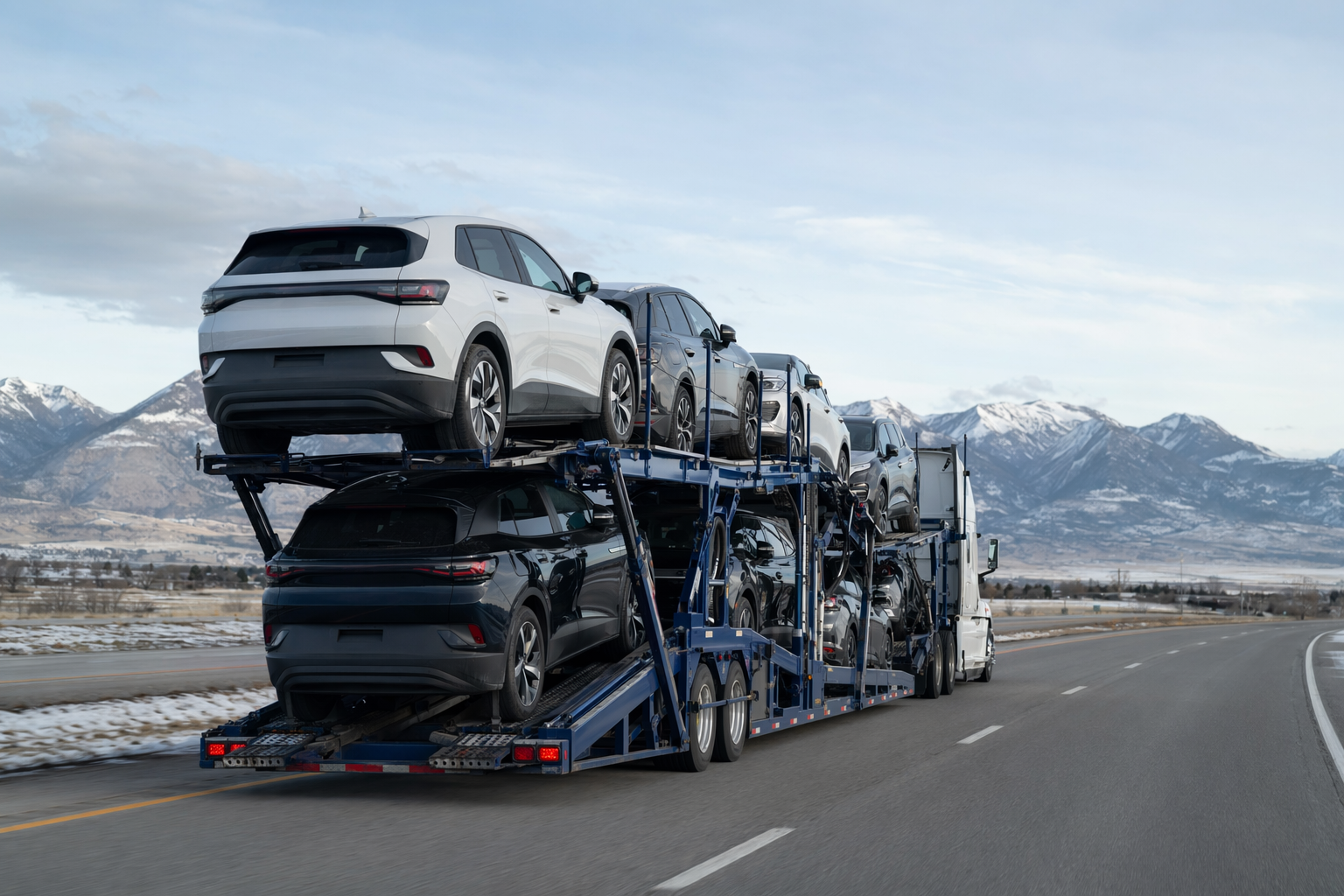
For a standard sedan on open transport, New York to Florida often falls around $700 to $1,050. Larger SUVs, pickups, vans, inoperable vehicles, enclosed trailers, and hard-to-reach addresses can cost more. If your route starts outside a major metro area in New York or ends outside a common Florida delivery area, expect the range to move upward.
Typical transit time on this lane is often about 3 to 5 days once the vehicle is picked up. Pickup itself usually happens within an agreed pickup window, not at an exact guaranteed hour. On busy weeks, especially around snowbird season and holiday periods, it can take longer to secure the right truck.
What moves the number on this route:
- Exact pickup and delivery points. NYC to Miami is usually different from Buffalo to Naples.
- Vehicle size, weight, ground clearance, and whether it runs.
- Open vs enclosed trailer.
- Season. Florida-bound demand rises at certain times of year.
- Timing. Flexible pickup windows usually price better than rushed moves.
For a fuller breakdown, see what it costs or the route-level costs page.
Open vs enclosed on this route
Most people shipping from New York to Florida choose open transport. It is the standard option on this lane, and because there is frequent truck traffic, it is usually the most practical choice for everyday vehicles. For many cars, open transport is the best balance of route availability, pickup flexibility, and price.
Enclosed transport is usually chosen for classic cars, exotic cars, luxury vehicles, show cars, or vehicles with custom paint and low ground clearance. On this lane, enclosed service usually costs more and may have fewer trailer openings on a given day, so the pickup window can be a little tighter or longer depending on demand.
A simple way to decide:
- Choose open if your main goal is lower cost and quicker matching on a busy lane.
- Choose enclosed if your main goal is added protection from road exposure.
You can compare both options before you decide. See enclosed auto transport if your vehicle needs that setup.
Pickup and delivery realities in New York and Florida metros
New York pickups need planning. Streets can be narrow, parking can be restricted, and truck access can be limited. This comes up often in Manhattan, parts of Brooklyn, Queens side streets, older suburban neighborhoods, and some apartment complexes. If the truck cannot safely enter, the driver may suggest a nearby meeting point with room to load.
Florida deliveries can be easier in many suburban areas, but there are still route limits. Condo towers, resort areas, beach communities, gated neighborhoods, and tight downtown streets in places like Miami Beach, Fort Lauderdale, downtown Orlando, or parts of Tampa may require a nearby handoff point. Ask early if your building or community has truck restrictions.
A few practical steps help this lane go smoother:
1. Give the full address, plus any gate code, truck restriction, or HOA rule you know about.
2. Keep your phone on during the pickup window and before delivery.
3. Have the car clean enough for inspection and remove personal items before dispatch.
4. Confirm whether the quoted setup is door-to-door or if a nearby meeting point is likely.
Before booking, verify the carrier or broker's USDOT/MC number and insurance yourself. Confirm the final price and pickup window in writing. If you want a checklist, use prepare your car for shipping.
Seasonal patterns on the New York to Florida lane
This lane changes a lot by season. In fall and early winter, many people move cars from New York to Florida. In spring, the reverse flow increases as seasonal residents head north again. When one direction gets crowded, prices can rise and pickup windows can tighten.
Weather matters too. Snow, ice, and road conditions in New York can delay pickups or add a day or two to transit planning. Florida weather can also affect schedules, especially during heavy rain or storm periods. The route is active year-round, but active does not mean guaranteed next-day loading.
If your dates are flexible, say so. On this lane, even a little pickup flexibility can help you get better options. If you need the car moved faster, ask about expedited car shipping, but expect higher pricing and still confirm the details in writing.
Watch for red flags on this route, especially during busy season:
- A quote far below the others.
- Pressure to book today.
- A large upfront deposit.
- No clear USDOT/MC number.
- Vague answers about insurance or pickup windows.
If you are comparing companies, read how to vet a car-shipping company.
Get matched free and compare your options
LaneFerry does not move vehicles and does not broker shipments. We are a free matching service that helps connect you with licensed, insured carriers and brokers for the New York to Florida lane. Help is often available in multiple languages, which can be useful if you are new to the US or arranging the move from another city or country.
To get matched, you only need to share contact and shipment details such as:
- Pickup and delivery locations
- Vehicle year, make, and model
- Whether it runs
- Open or enclosed preference
- Your timing and pickup window
Then you compare your options and choose what works for your route and budget. Before you book, verify the USDOT/MC number and insurance yourself and confirm the total price and pickup window in writing. You can start at get matched or read how it works.

If you need to ship a car from New York to Florida, this page helps you compare the usual route, price range, timing, and truck options before you choose a licensed company.