Shipping a car los angeles to new york
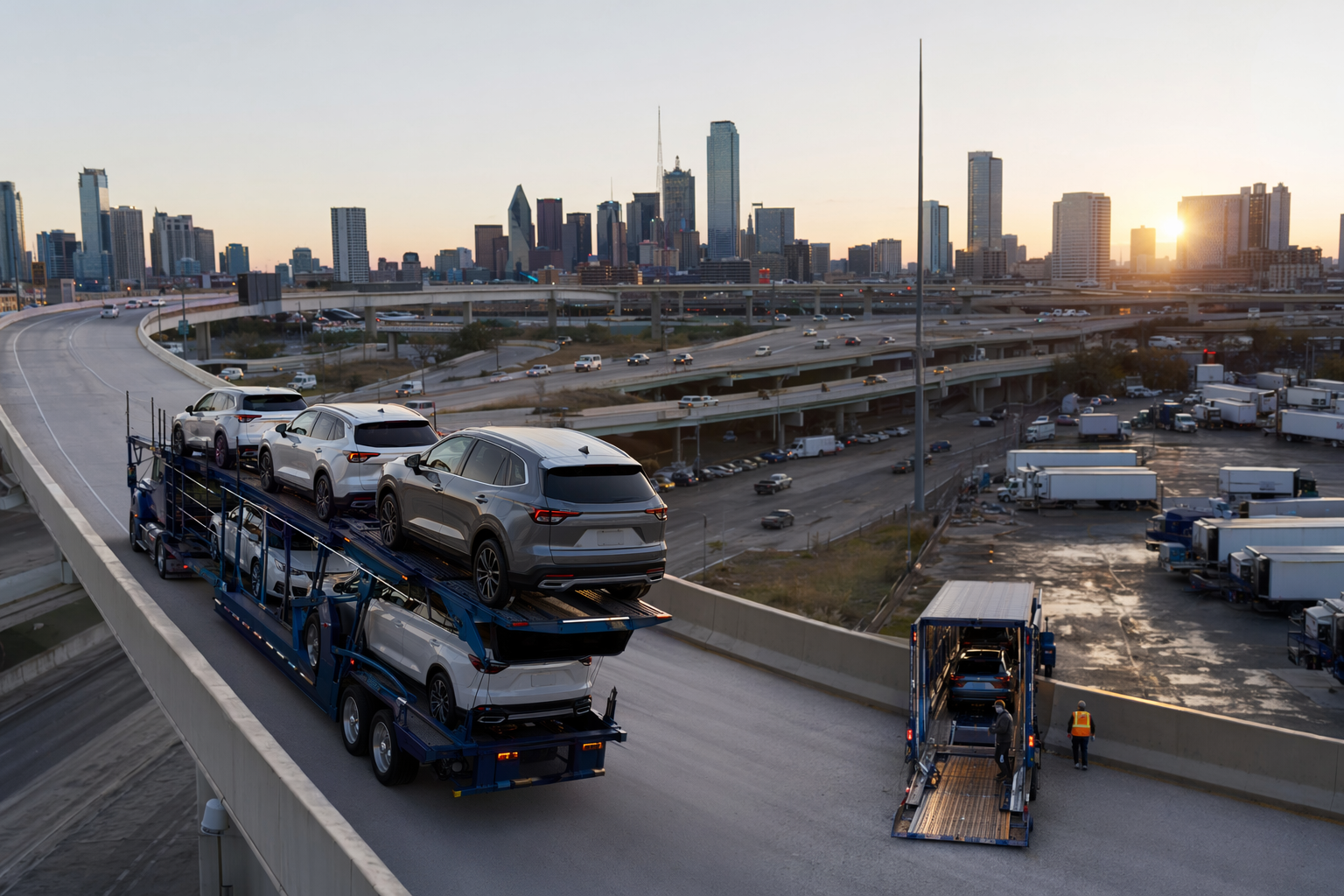
Los Angeles to New York is a long, high-volume interstate lane. Typical pricing is often around $1,150 to $1,650 on open transport, with transit time commonly about 5 to 8 days, but both are estimates that can change with the vehicle, season, exact pickup and delivery points, and how flexible your timing is.
Los Angeles to New York: route first, then the real trade-offs
This lane usually means pickup somewhere in the Los Angeles metro area and delivery somewhere in New York City, Long Island, or the wider downstate New York area. It is a cross-country route with steady demand, which helps keep service options available, but the exact number still depends on the route around the main lane, not just the city names.
For most standard sedans and SUVs, open transport is the usual starting point. On this route, a typical estimate is around $1,150 to $1,650 on open carrier service, with many shipments landing somewhere inside that range. Enclosed transport usually costs more because fewer enclosed trailers run the lane and they carry fewer vehicles at a time.
Transit time on this route is commonly about 5 to 8 days once the vehicle is on the truck. That is a typical window, not a guarantee. The full schedule also includes the pickup window before dispatch, which can vary based on how close you are to the main route and how quickly a carrier can load your car.
If you are new to car shipping, start with the lane and service type, then compare what it costs and how car shipping works before you book.
What changes the price and transit time on this lane
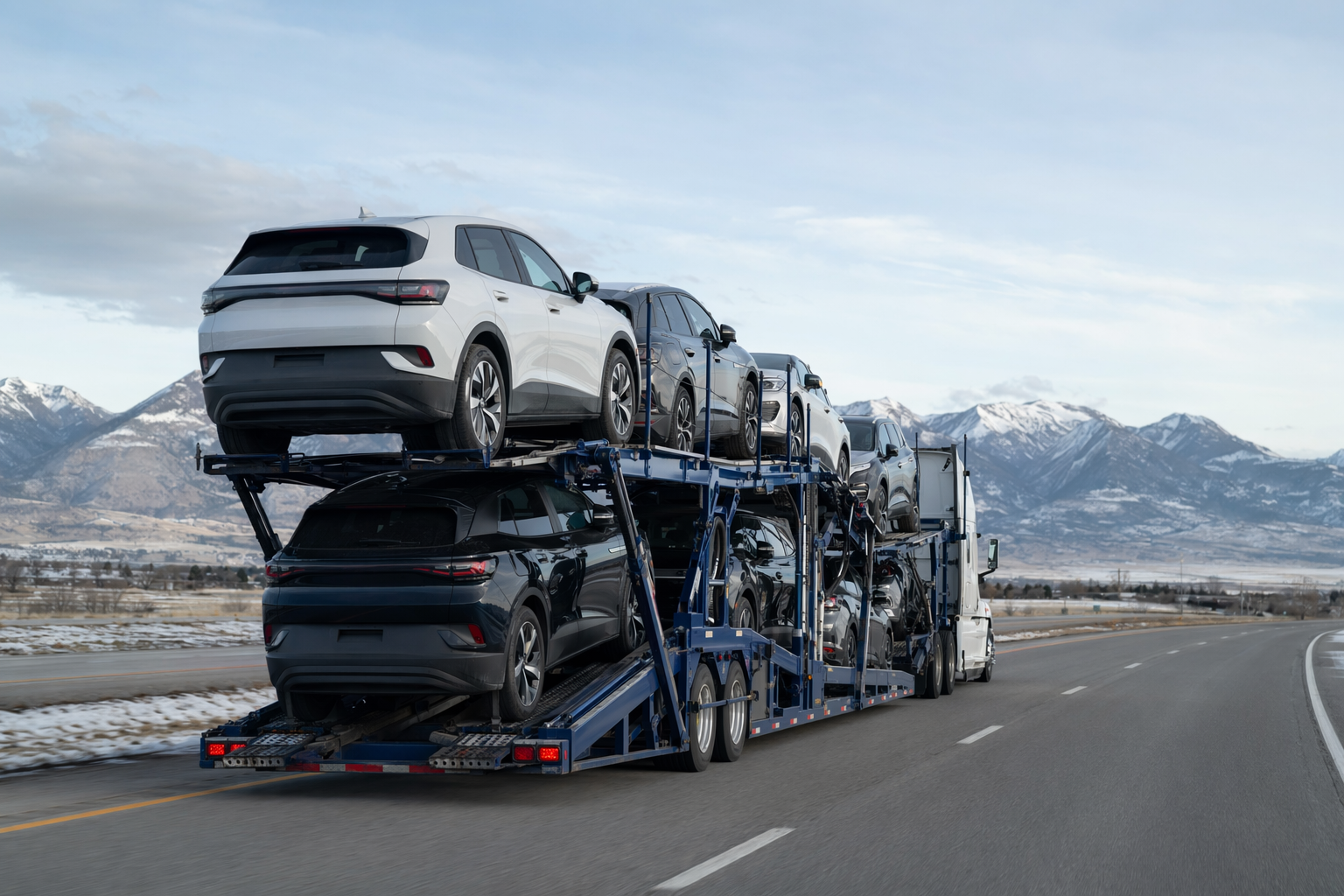
The biggest price factor is how close your pickup and delivery points are to the main route. A car picked up near central Los Angeles or delivered near a regular New York-area truck corridor is usually easier to schedule than a vehicle in a tight hillside street, a remote suburb, or a location with truck restrictions. Extra route miles and difficult access can raise the total.
Vehicle size and condition matter too. Larger SUVs, trucks, lifted vehicles, and non-running cars usually cost more because they take more trailer space, add loading work, or require special equipment. A standard running sedan is usually the simplest fit for this lane.
Timing also moves the number. If you need a faster pickup window, prices can rise because carriers may need to adjust dispatch around your schedule. If your dates are flexible by a few days, you often have more options. Seasonal swings matter as well. Summer demand, snow-season routing, and year-end holiday congestion can all affect both rates and transit time.
Door-to-door is common, but in both Los Angeles and New York the truck may need to meet you nearby rather than on your exact street. Narrow streets, low branches, apartment loading rules, and local truck restrictions are normal reasons. Ask the carrier to confirm the pickup window and meeting point in writing before booking.
Open vs enclosed on Los Angeles to New York
On this lane, open transport is the standard choice for most daily drivers. It is usually the lower-cost option and the one with the most carrier availability. For a typical family car, commuter vehicle, or student move, open service is often the practical fit.
Enclosed transport is usually chosen for higher-value, classic, exotic, collector, or specialty vehicles. It costs more, but it can make sense if you want your car in a more protected trailer environment. On a long route like Los Angeles to New York, enclosed availability can be tighter, so the pickup window may differ from open service.
A simple way to decide:
- Open: usually lower cost, more common on this lane, good for most standard vehicles.
- Enclosed: higher cost, fewer trailer spots, often preferred for vehicles where condition and exposure are a bigger concern.
Either way, confirm the service level, total price, and pickup window in writing. You should also verify the carrier or broker's USDOT/MC number and insurance yourself before you commit.
Pickup and delivery realities in Los Angeles and New York
Los Angeles pickups can be straightforward when the car is near major corridors and easy for a large trailer to access. They can get slower when the pickup is in dense neighborhoods, hillside streets, gated communities, or places with strict parking and loading limits. If your address is difficult for a car hauler, expect a nearby meeting point such as a wide commercial street or parking lot.
New York deliveries work the same way, and often more so. In Manhattan, parts of Brooklyn, Queens, and some Long Island neighborhoods, large transport trucks may not be able to go directly to the final address. Bridges, low clearances, heavy traffic, local rules, and curb space all affect the handoff. A nearby safe meeting area is common and does not necessarily mean anything is wrong with the shipment.
If you are shipping to or from an apartment, condo, campus, or office, be ready to take calls during the pickup window and delivery window. Drivers work around traffic, weather, and loading order. Being reachable helps avoid delays.
Before release, remove personal items and document the car's condition with photos. For a full checklist, see prepare your car for shipping.
Seasonal patterns on this cross-country lane
This route runs year-round, but the season changes the lane. Summer is busy. People relocate for jobs, school, and military moves, and cross-country demand rises. That can push prices upward and tighten pickup windows, especially if you need exact dates.
Winter can also affect this lane, even though the route starts in Southern California. Weather in the interior and Northeast can slow transit, change routing, or create backup around delivery in New York. Snow, ice, and road conditions do not always stop shipping, but they can add time. Plan with a little margin if your car needs to arrive near a fixed event.
Spring and fall are often more moderate, but no season is flat every year. Fuel prices, route imbalances, and holiday weeks can move rates at any time. If your dates are flexible, you usually have a better chance of finding a workable option inside the normal range.
If you want to compare service options on this lane, start with cross-country car shipping or request a free match at /get-matched/. LaneFerry does not move vehicles or broker shipments. It is a free matching service that connects you with licensed, insured carriers and brokers so you can compare your options yourself.
How to compare offers without getting burned
On a popular route like Los Angeles to New York, you may see a wide spread in prices. Be careful with any number that is far below the others. A very low quote can mean the shipment is not realistically priced for the lane, which may lead to delays, price changes, or pressure later.
Watch for common warning signs:
- A quote much lower than the normal range for the route
- Pressure to book today
- Large upfront deposits
- No USDOT/MC number provided
- Vague answers about insurance, pickup window, or total charges
Before you book, do three simple checks:
1. Verify the carrier or broker's USDOT/MC number yourself.
2. Confirm insurance details directly with the company handling the shipment.
3. Get the full price, service type, and pickup window in writing.
LaneFerry is free to the customer and can help you compare matched options, often with multilingual support if English is not your first language. The decision is still yours. You compare the offers, choose the company, and confirm the written terms before booking. For more on screening companies, read how to vet a car shipping company.

This page gives you the usual price and timing range for shipping a car from Los Angeles to New York and shows you how to compare matched carriers carefully before you book.