Shipping a car florida to new york
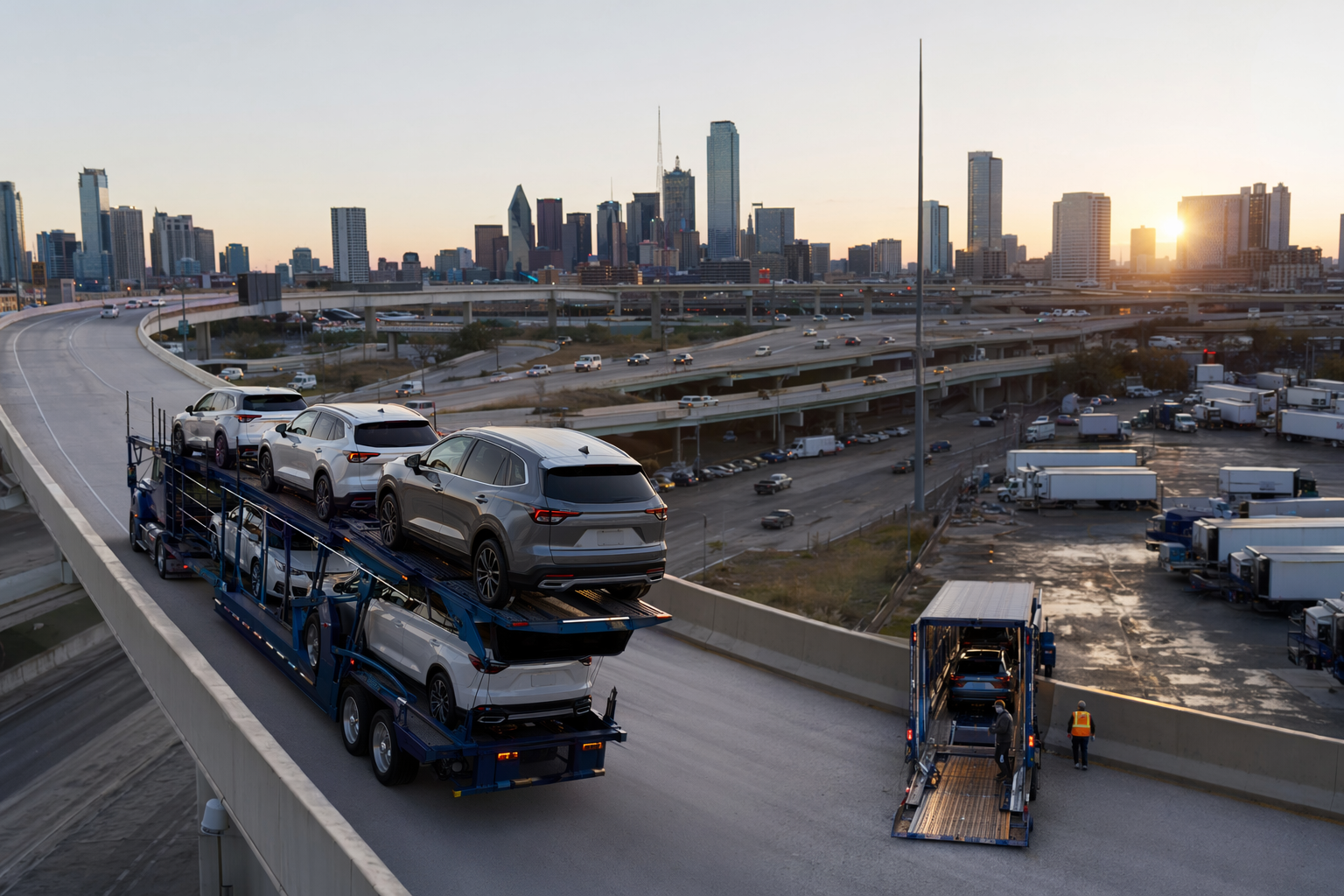
Florida to New York is one of the busiest car-shipping lanes in the country. For most standard cars on this route, a typical price is about $700 to $1,050 with transit often around 3 to 5 days, but both are estimates that change with the exact pickup and delivery points, vehicle size, season, and timing.
Florida to New York car shipping: route, cost, and timing
This lane usually runs from major Florida metros like Miami, Fort Lauderdale, West Palm Beach, Orlando, Tampa, Jacksonville, Naples, or Sarasota up to New York City, Long Island, Westchester, Albany, Buffalo, Rochester, Syracuse, and other parts of the state. It is a strong north-south route with regular carrier traffic, which usually helps with price and dispatch speed compared with less common lanes.
For a standard sedan shipped on open transport, many customers see a typical range of about $700 to $1,050. Transit time is often about 3 to 5 days once the vehicle is picked up. That is not a quote or guarantee. The real number depends on the exact route, whether the car is running, the vehicle's size and ground clearance, the season, and how flexible your pickup window is.
If your route starts or ends outside a main corridor, the price can move up. A car picked up in central Miami and delivered near a main highway in New York is usually simpler than a vehicle going from the Florida Keys to rural upstate New York. The more direct the lane, the easier it is for a carrier to fit it into a full load.
If you are new to the process, start with the route first, then compare the transport type, then compare the number. You can read more about the full process at how car shipping works.
What changes the price on this lane
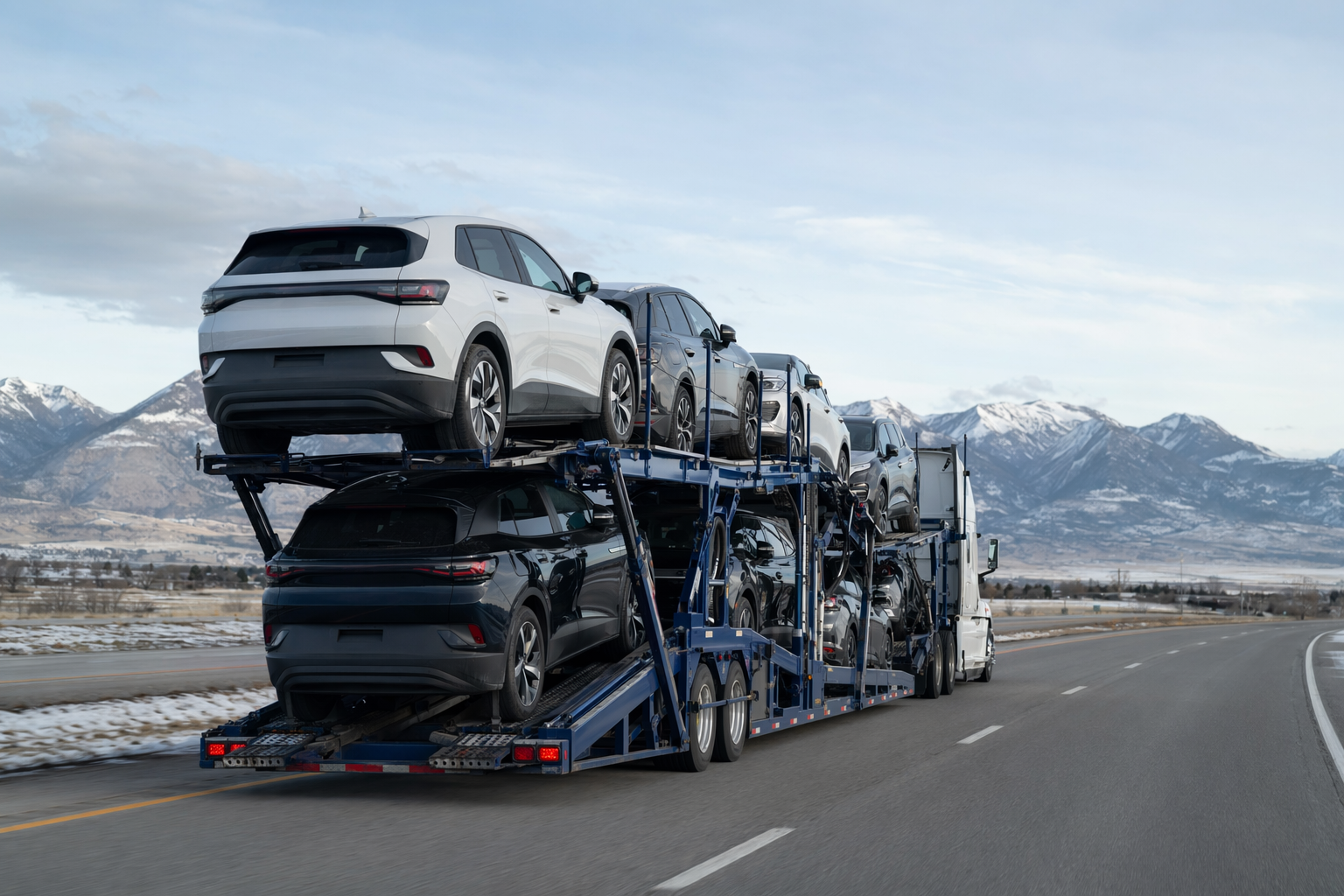
Florida to New York has enough volume that pricing is usually competitive, but it still moves for clear reasons. The biggest factors are the exact cities, the time of year, the vehicle itself, and how quickly you need pickup.
- South Florida to downstate New York is often easier to price than smaller city pairs because carriers run that corridor often.
- Bigger vehicles like SUVs, pickup trucks, and vans usually cost more than sedans because they take more trailer space and add weight.
- Inoperable vehicles usually cost more because they need special loading arrangements.
- Faster pickup requests can raise the price, especially if you need the car moved within 1 to 2 days.
- Enclosed trailers cost more than open because there are fewer of them and they carry fewer cars.
Season matters on this lane. Winter and early spring often see heavy traffic from snowbirds moving between Florida and New York. Around holiday periods, college schedules, and peak moving months, rates can rise and pickup windows can get tighter. Summer can also be busy, especially for families relocating before the school year.
Door-to-door is common, but not every address works for a full-size carrier. In dense parts of Brooklyn, Manhattan, Queens, the Bronx, or older neighborhoods in South Florida, the truck may need to meet you at a nearby parking lot or wider street. That is still treated as door-to-door in practice. For a broader breakdown of pricing, see what it costs.
Open vs enclosed on the Florida to New York lane
Most vehicles on this route go on open carriers. Open transport is the standard choice because it usually costs less and there is more trailer capacity running between Florida and New York. For everyday sedans, SUVs, and family cars, this is what most people book.
Enclosed transport is usually chosen for higher-value, classic, exotic, collectible, or specialty vehicles. It costs more, but it gives the car more protection from road debris and weather during transit. If you are comparing the two, the route stays the same. The trade-off is mostly price, trailer availability, and the type of vehicle you are protecting.
On this lane, enclosed transport can take a bit longer to schedule because there are fewer enclosed carriers than open carriers. If your dates are tight, ask what the typical pickup window looks like for both options before you decide.
You can compare enclosed auto transport with open shipping based on your vehicle, budget, and timing. Whatever option you choose, confirm the final price and pickup window in writing before booking.
Pickup and delivery realities in Florida and New York metros
Florida pickup is usually straightforward around Orlando, Tampa, Jacksonville, and many suburban parts of South Florida. Miami and Fort Lauderdale are still common pickup zones, but condo towers, gated communities, low branches, and narrow local streets can make exact-address pickup harder for large transport trucks. In those cases, the driver may suggest a nearby meeting point with better truck access.
New York delivery depends a lot on where the car is going. Long Island, Westchester, Rockland, and many suburban areas are often easier than Manhattan or the tightest parts of Brooklyn and Queens. If your delivery point is in New York City, be ready for a nearby handoff location instead of a truck trying to enter a cramped block with parking restrictions.
This does not usually slow the route much if expectations are clear upfront. Good dispatch depends on accurate addresses, a reachable phone number, and flexibility on where the truck can safely stop. If door-to-door access is limited, a nearby lot, shopping center, or wide curb lane can keep the move on schedule.
If your dates are firm, do not wait until the last minute. This lane moves often, but the exact pickup window still depends on truck space, weather, and how your stop fits into the rest of the carrier's route. Door-to-door shipping is the most common setup, but exact curbside service is not always possible in dense city blocks.
Seasonal notes for this route
This lane is busy year-round, but the pattern changes by season. In fall, winter, and early spring, many customers move cars from New York down to Florida and then back north later. That demand can affect both price and dispatch timing in both directions, especially around retiree moves, holiday travel, and spring returns.
Weather also matters more than some people expect. Florida storms, heavy rain, and summer hurricane conditions can affect pickup timing. In New York, winter weather, snow, and ice can slow transit or force route adjustments, especially for upstate deliveries. A typical transit time of 3 to 5 days can stretch if weather or traffic interrupts the lane.
If you have flexibility, a wider pickup window often helps you get a better rate than demanding a very specific day. If you need the car moved quickly, ask about expedited car shipping, but expect that faster dispatch usually costs more and still depends on actual truck availability.
The practical rule on this lane is simple: book early during peak periods, stay flexible on the pickup window, and compare more than one option before choosing.
How to book this lane without getting burned
LaneFerry is a free matching service. We help you compare licensed, insured carriers and brokers for the Florida to New York lane. We do not move vehicles, broker shipments, or take payment details. You share contact and shipment details only, then you choose whether to move forward.
Before you book with any company, verify the carrier's or broker's USDOT/MC number and insurance yourself. Confirm the total price, pickup window, cancellation terms, and what type of trailer is being arranged in writing. If a quote is far below the others, treat that as a warning sign, not a bargain.
Watch for common overcharging and scam patterns:
- A very low quote that rises at dispatch
- Pressure to book today or lose the rate
- A large upfront deposit before a carrier is assigned
- No USDOT/MC number or vague answers about insurance
- No written confirmation of price and pickup window
If you want to compare options on this lane, start at get matched. Help is often available in multiple languages, and the matching service is free to the customer.
Florida to New York is a common car-shipping lane, and your best move is to compare licensed options, expect a typical range of $700 to $1,050 and 3 to 5 days, and confirm the final price and pickup window in writing before you book.