What a bill of lading is and why it matters
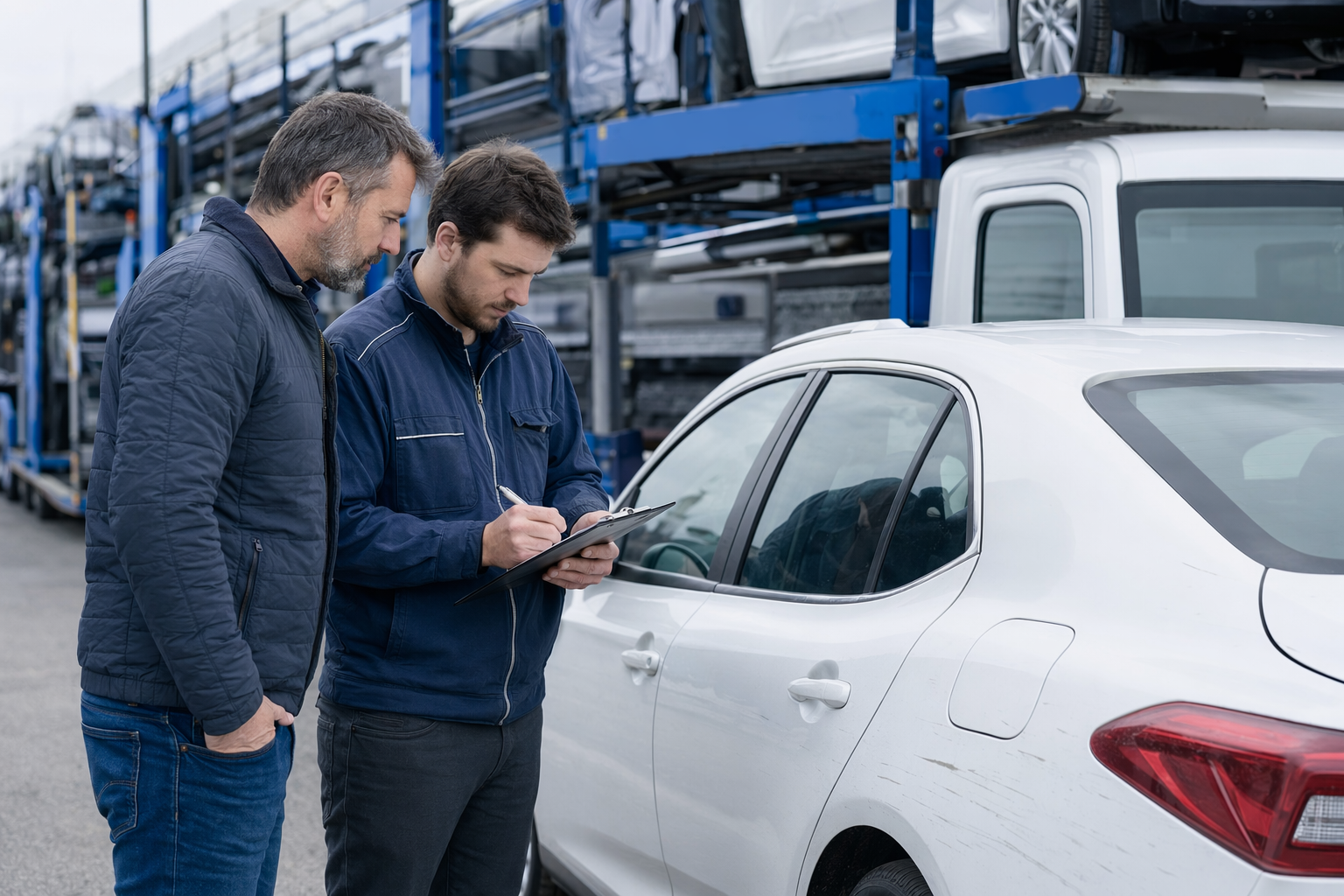
On a car-shipping route, the bill of lading is the main handoff document. It records the vehicle’s condition at pickup and delivery, so if there is a dispute later, this is usually the first paper people look at.
What a bill of lading is on a car-shipping route
A bill of lading, often called the BOL, is the document used when the vehicle is picked up and again when it is delivered. In auto transport, it usually works as both a receipt and a condition report.
At pickup, the driver and customer note the car’s basic details and visible condition. At delivery, they check the car again and compare it to the pickup notes. That is why this document matters. It helps show what was already there before the route started and what, if anything, changed during transit.
The exact form can look different from one carrier to another. Some use paper. Some use an app with photos and signatures. The format can vary, but the job is the same: identify the vehicle, confirm the route, and record its condition at pickup and delivery.
If you are new to the process, it helps to read how car shipping works before pickup day. The BOL fits into the route at dispatch, pickup, transit, and delivery.
What is usually listed on the bill of lading
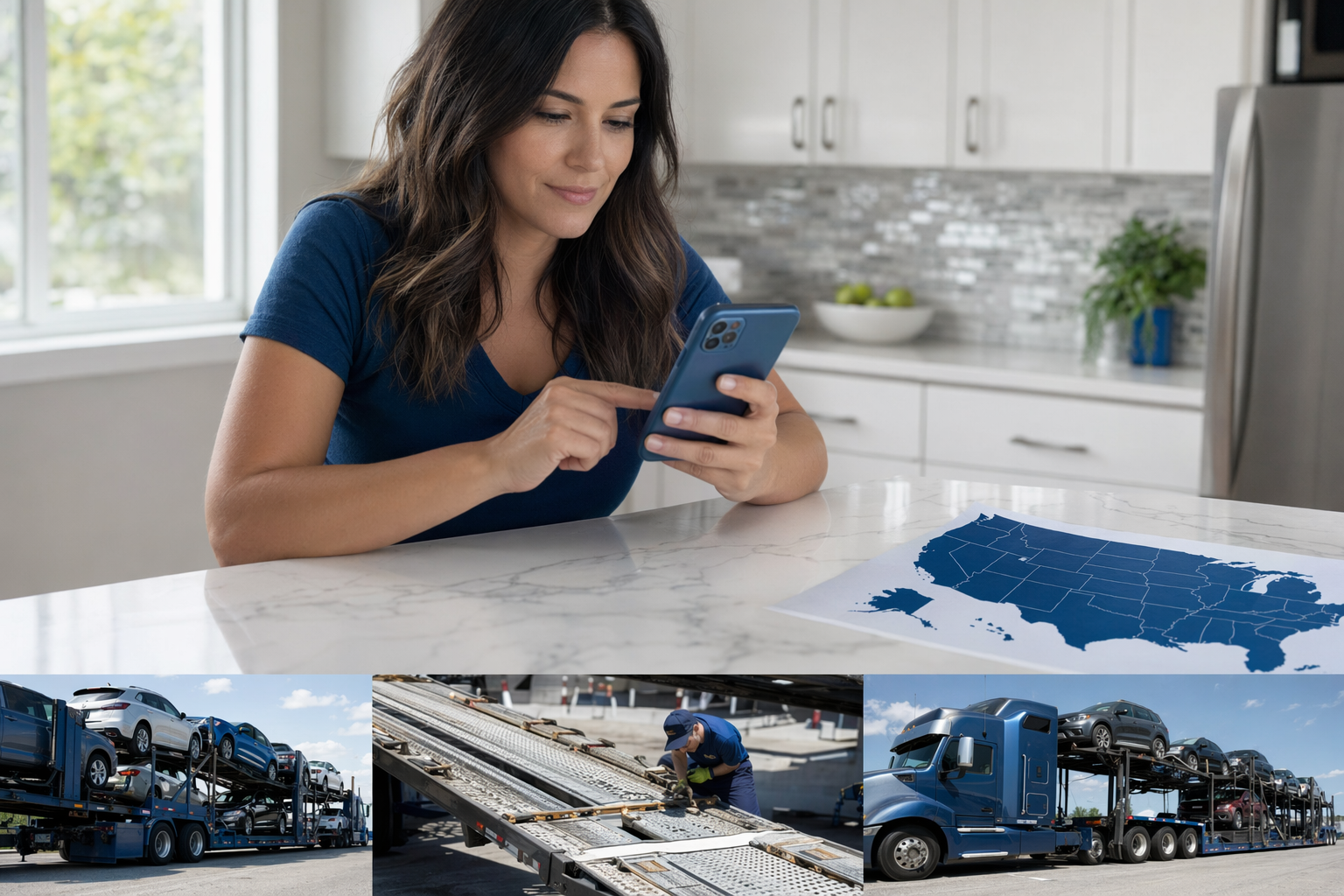
Most auto-transport BOLs include the same core details. Read them slowly before you sign.
- Pickup and delivery locations
- Customer and carrier contact details
- Vehicle year, make, model, and VIN
- Odometer reading or a mileage note
- Route type, such as door-to-door or terminal
- Condition notes marked on a diagram or checklist
- Pickup date and delivery date
- Driver and customer signatures
Many carriers also note whether the car is running, whether there are loose parts, and whether personal items are present. Some may add dispatch notes, loading notes, or a pickup window reference.
Before signing, make sure the VIN matches your car, the route is correct, and the condition notes are clear enough to be useful later. If the vehicle has a cracked bumper, wheel rash, hail marks, or a chipped windshield, that should be written down. “Minor scratches” is often too vague if the marks are easy to count or point to.
If you are still comparing options, the route and service type affect price more than the paperwork does. See what it costs for typical lane ranges.
Why the bill of lading matters so much
The main reason is simple: it is the baseline record of your car’s condition. If damage is noticed at delivery, the pickup and delivery sections of the BOL help show whether it likely happened during transit or was already present.
It also matters because the document confirms the handoff. When the car is loaded, the pickup signature shows the carrier took possession of the vehicle in the condition listed. When the car is delivered, the delivery signature shows the receiving party accepted it in the condition noted at arrival.
Without careful notes, a disagreement gets harder to sort out. If the form is blank, rushed, or inaccurate, you may have less support when asking the carrier for next steps. That is why many experienced shippers take their own time-stamped photos at pickup and delivery in addition to reviewing the BOL.
This is general education, not legal or insurance advice. Coverage and claim procedures vary, so confirm the carrier’s insurance and process directly with the carrier before booking. Also verify the carrier’s USDOT/MC number and insurance yourself and confirm the final price and pickup window in writing before you book.
How to check the BOL at pickup and delivery
Do not treat the BOL like routine paperwork. This is one of the few moments on the route where a slow, careful review can save problems later.
At pickup:
1. Wash the car if you can, or at least make sure major marks are visible.
2. Walk around the vehicle with the driver.
3. Take clear photos from all sides, plus close-ups of existing damage.
4. Check that the VIN, make, model, and route details are correct.
5. Make sure every visible dent, scrape, crack, or broken trim piece is noted before you sign.
At delivery:
1. Inspect the car before signing the delivery side.
2. Compare the vehicle to your pickup photos and the pickup condition notes.
3. Look closely at low bumpers, wheels, roofline, mirrors, and windshield.
4. If you see new damage, note it on the BOL before signing.
5. Keep a copy of the final document and your photos.
Try not to do this in the dark or in heavy rain if you can avoid it. If delivery happens at night, use your phone flashlight and take extra photos. The goal is not to argue with the driver. The goal is to make the record accurate.
If you want a pickup format with fewer handoff points, many customers prefer door-to-door shipping. If the car needs extra protection on the route, compare enclosed auto transport with open transport before you decide.
Common mistakes and red flags to watch for
The biggest mistake is signing too fast. If the driver is in a hurry, you can still take a few minutes to inspect the vehicle. A rushed inspection can leave you with a weak record.
Other common mistakes:
- Accepting vague condition notes when specific marks are visible
- Forgetting to take your own pickup and delivery photos
- Signing the delivery side before checking the car
- Assuming every carrier uses the same wording or same claim process
- Losing your copy of the BOL after delivery
Watch for red flags before the route even starts. These are not about the BOL itself, but they often show up with bad operators:
- A quote far below the others for the same lane
- Pressure to book today without time to review terms
- Large upfront deposits
- No clear USDOT/MC number
- Refusal to show proof of insurance or vague answers about coverage
LaneFerry is a free matching service. It does not move vehicles or broker shipments. It helps you compare licensed carriers and brokers for your route so you can choose who to book with. Before booking, verify the carrier’s USDOT/MC number and insurance yourself, and confirm the price and pickup window in writing. For a full checklist, see how to vet a car-shipping company.
What the bill of lading does not tell you
The BOL is important, but it is not the whole shipment agreement. It does not replace your need to confirm the route details, service type, pricing terms, pickup window, and cancellation terms before booking.
For example, the BOL usually will not explain why one quote is $700 to $1,200 on a shorter interstate lane while another is $1,100 to $1,800 on a longer or less common route. Price depends on the lane, vehicle size, season, service level, and timing. Faster pickup windows and enclosed service usually cost more. Those are estimate ranges, not quotes.
It also does not guarantee a delivery date. On many routes, a typical pickup window may be 1 to 5 days after dispatch, and transit time may be 2 to 10 days depending on distance and route conditions. Cross-country lanes can run longer. Weather, truck capacity, road conditions, and route changes all affect timing.
Use the BOL for what it is good at: a condition and handoff record. Use your booking confirmation and written communications for the rest of the shipment terms. If you need help comparing options, you can get matched for free at get matched.
The bill of lading is the paper or digital form that shows your car’s condition when the carrier picks it up and when it is delivered, so check it carefully before you sign.