Shipping a car to or from Alaska
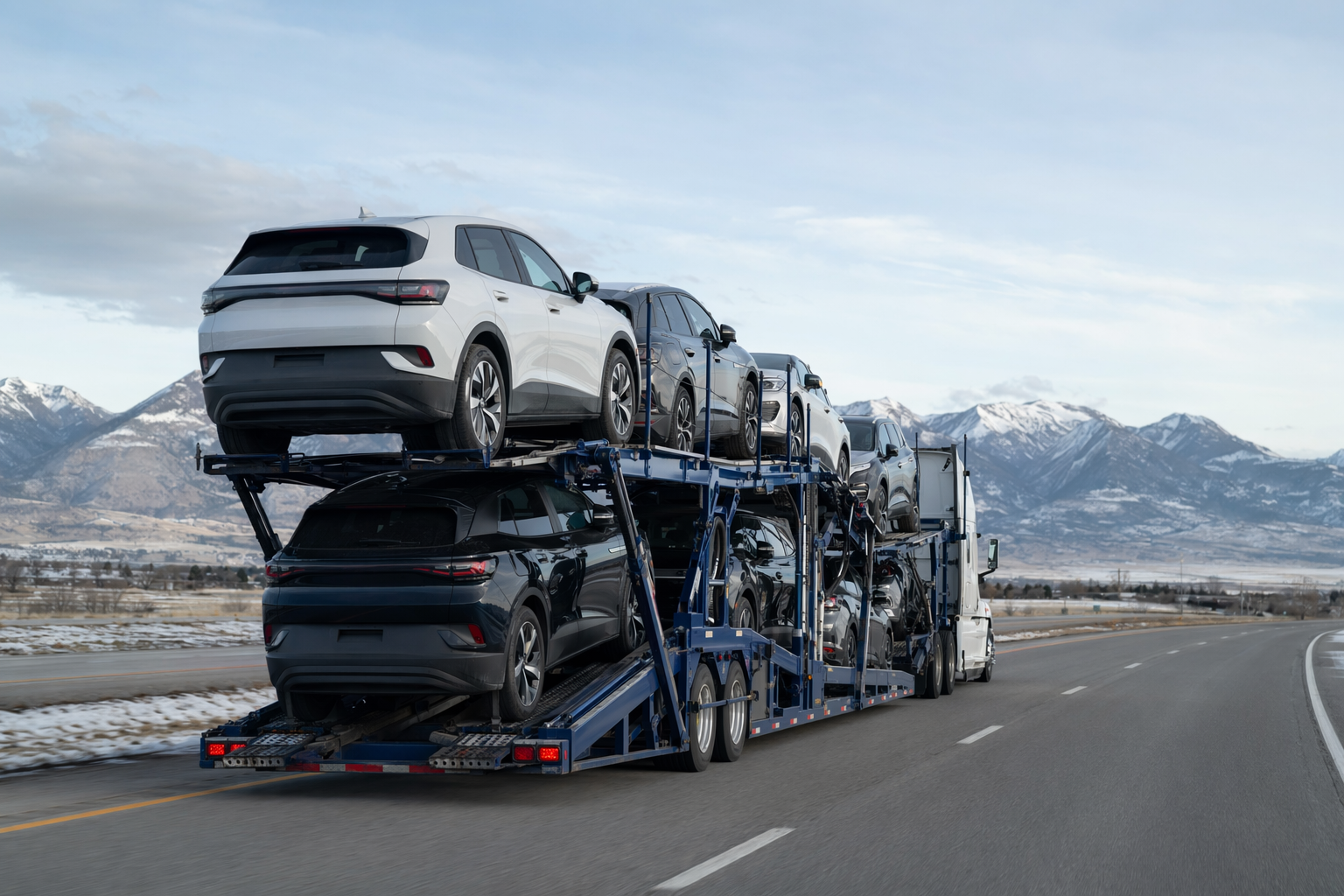
Alaska car shipping is a different route than a standard lower-48 lane. The car usually moves by truck on one side, by port on the other, and the real number depends on the route, vehicle, season, and timing, so treat all prices and transit times as estimates until you confirm them in writing.
How the Alaska route usually works
Start with the lane. Are you shipping from Alaska to the lower 48, or from the lower 48 up to Alaska? Then narrow it to the actual route: Anchorage, Fairbanks, Juneau, or another Alaska location, and where the car is going on the other end.
Most Alaska moves are not one simple truck run from door to door. A typical route includes one or more truck legs plus a port leg. For many shipments, the car goes to or from a major port area such as Tacoma or Seattle, then continues by vessel, then by truck again if needed. That is why Alaska transit time is usually longer and less predictable than a standard interstate lane.
If your pickup or delivery point is outside a main port or metro area, expect an extra transfer, a longer pickup window, or a terminal handoff. Door-to-door may still be possible on part of the route, but some Alaska shipments work better as a terminal or port-to-port move. If you want a basic overview first, see how car shipping works.
What Alaska car shipping usually costs

Cost starts with the route, then the vehicle, then the timing. A running sedan on a common lane will usually cost less than a large SUV, lifted truck, or non-running vehicle. Winter weather, limited vessel space, and short-notice dispatch can also raise the price.
Typical ranges for Alaska routes:
- Port to port or major-city route tied to a common lane: about $1,500 to $3,000
- Alaska to West Coast or West Coast to Alaska with inland truck leg: about $2,000 to $4,000
- Longer lower-48 routes tied to Alaska, such as Southeast or East Coast connections: about $3,000 to $5,500+
- Oversized, heavy, modified, or inoperable vehicles: often higher than the ranges above
These are estimates, not quotes. The real number depends on the lane, vehicle size, whether it runs, season, port schedule, and how flexible your pickup window is. You can read more about price factors at what it costs or start a free match request at get matched.
If one quote is far below the others, slow down. That can be a bait price that rises later, or a sign the company is not being clear about the actual Alaska route, port fees, or timing.
Transit time and pickup windows
Alaska transit time is usually measured in stages, not one straight trip. A typical shipment can include a local pickup window, time to reach the port, vessel scheduling, unloading, and then final delivery or terminal pickup. Because of that, it helps to think in windows instead of exact dates.
Typical timing ranges:
- West Coast to or from Southcentral Alaska on a common route: about 1 to 3 weeks total
- Longer routes involving inland truck legs in the lower 48: about 2 to 4 weeks total
- Remote Alaska points, weather delays, or tight vessel schedules: sometimes longer
The pickup window is just as important as total transit time. A flexible 3 to 7 day pickup window often brings better options than a same-week request. If you need the car moved quickly, ask about expedited car shipping, but expect a higher estimate and remember that even expedited service is not a guaranteed delivery date.
Before you book, ask for the pickup window, the expected port handoff steps, and the typical transit range in writing. That helps you compare options on the same terms.
Open vs enclosed, door-to-door vs terminal
For Alaska, the right choice depends on the route and the car. Start with whether you need standard open transport or added protection from enclosed transport.
Open transport is the common choice for everyday vehicles and usually the lower-cost option. Enclosed transport is often used for classic, exotic, luxury, or low-clearance vehicles because it offers more protection from road exposure. You can compare open transport with enclosed auto transport, but for Alaska lanes, availability can be more limited than on common lower-48 routes.
Then decide how the handoff should work. Door-to-door sounds simple, but in Alaska it may only apply to the truck portions of the route. Some shipments still require delivery to a port or terminal because of road access, vessel scheduling, or local restrictions. Terminal handoff can be practical if it shortens the lane and lowers the estimate.
Ask these questions when you compare matches:
- Is this door-to-door for the full route, or only for the truck legs?
- Will the car be dropped at or picked up from a terminal or port?
- Are there extra fees for storage, port handling, oversized vehicles, or non-running vehicles?
- What condition should the car be in before handoff?
How to prepare your car for an Alaska shipment
A clean, simple handoff helps avoid delays. Alaska routes often involve more than one step, so the car needs to be ready for inspection and transfer.
Use this checklist:
1. Wash the car enough to see existing damage.
2. Take clear photos from all sides, plus the roof, wheels, and interior if needed.
3. Remove personal items unless the carrier or broker says a small amount is allowed in writing. Rules can vary, especially on routes involving vessel legs.
4. Leave about a quarter tank of fuel unless you are told otherwise.
5. Check for leaks, low battery, tire issues, and loose parts.
6. Fold mirrors in if possible and remove toll tags or parking passes.
7. Bring a working key and any documents the carrier asks for.
If the vehicle does not run, say that upfront. Inoperable cars need different loading equipment and usually cost more. If you are getting ready now, prepare your car for shipping has a fuller checklist.
Also ask how the inspection will be handled at pickup and delivery. You want the vehicle condition noted clearly on the bill of lading or other inspection record.
How to compare matches and avoid Alaska shipping scams
LaneFerry is a free matching service. You share contact and shipment details, then compare options from licensed, insured carriers and brokers. You choose who to work with, and you should confirm the final price and pickup window in writing before booking.
Check every company yourself before you agree to anything:
- Verify the USDOT and MC number yourself
- Ask for proof of active insurance and confirm coverage directly with the company
- Make sure the route details are clear, including port or terminal steps
- Confirm the total price, pickup window, cancellation terms, and any extra fees in writing
Common red flags on Alaska routes:
- A quote far below the others
- Pressure to book today before you can verify details
- A large upfront deposit
- No USDOT or MC number, or reluctance to share it
- Vague answers about the port leg, storage fees, or final delivery method
Because Alaska shipments can involve extra steps, vague pricing is a bigger problem here than on a simple interstate lane. If you want a vetting checklist, read how to vet a car shipping company. Help may also be available in your own language, and the matching service is free to the customer.

Shipping a car to or from Alaska usually means a truck-plus-port route, so compare written estimates carefully, verify the company's USDOT/MC number and insurance yourself, and expect timing and price to vary by lane, vehicle, season, and schedule.