Shipping a car you bought online
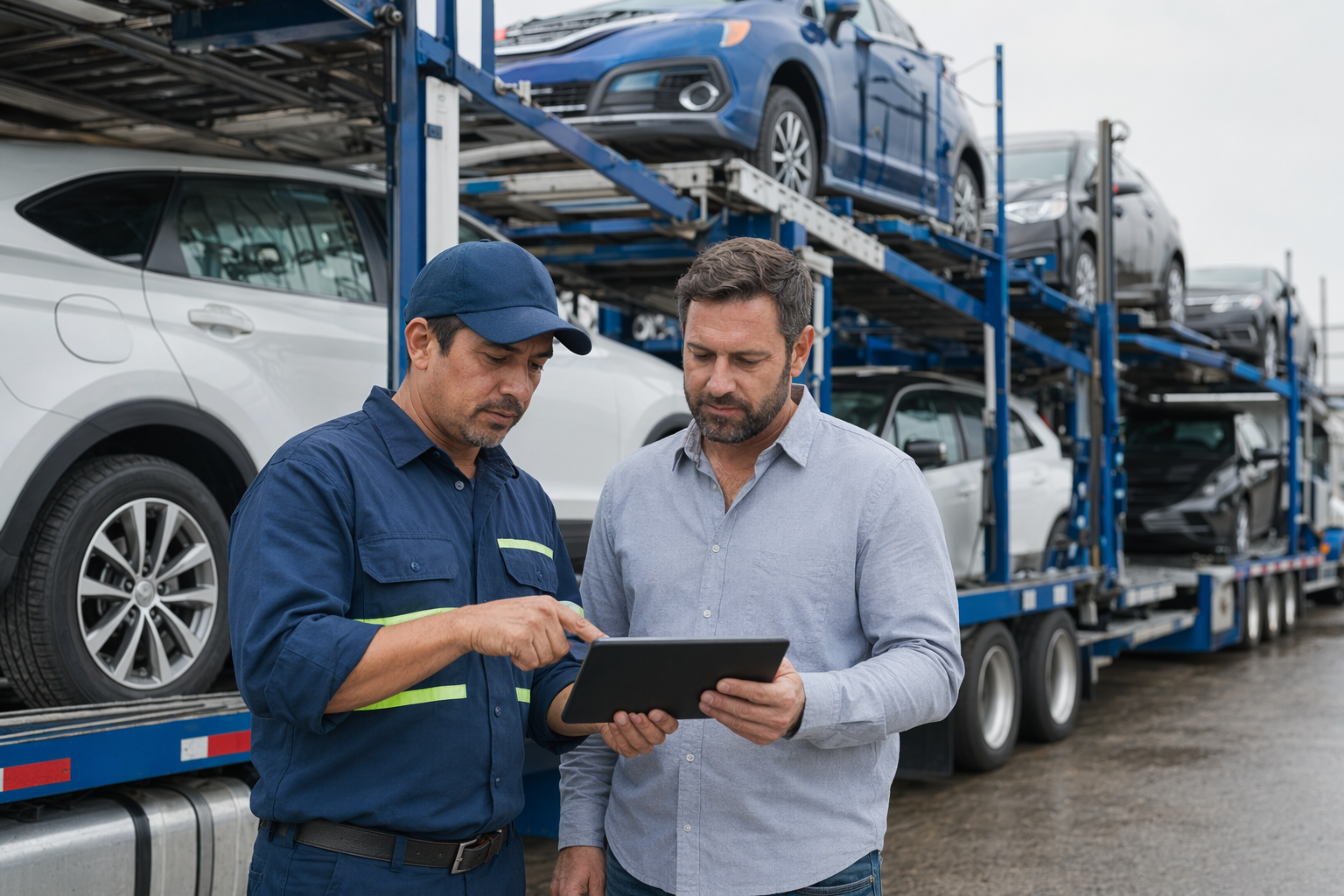
Bought a car online and need it moved to your address? Start with the route: where the car sits now, where it needs to go, and how flexible your pickup window is. From there, you can compare open vs enclosed, door-to-door vs terminal, and the typical cost range without guessing.
Start with the route, not the price
When you buy a car online, the lane matters more than the headline quote. A common route between major cities usually costs less and moves faster than a rural pickup or delivery. The real number depends on the route, vehicle size, season, and how soon the car needs to be picked up.
A short interstate move might run about $400 to $800. A mid-distance route is often $700 to $1,200. Cross-country shipping is commonly around $1,000 to $1,800 on open transport, and more for enclosed or rush timing. These are estimate ranges, not quotes.
Transit time also follows the lane. A short route may take 1 to 3 days in transit. Mid-distance is often 3 to 6 days. Cross-country routes typically take 7 to 10 days in transit, sometimes longer with weather, traffic, or dispatch delays. Always ask for the pickup window and estimated transit time in writing before you book.
If you are new to the process, how car shipping works gives a clear step-by-step overview.
Pick the shipping type that fits the car
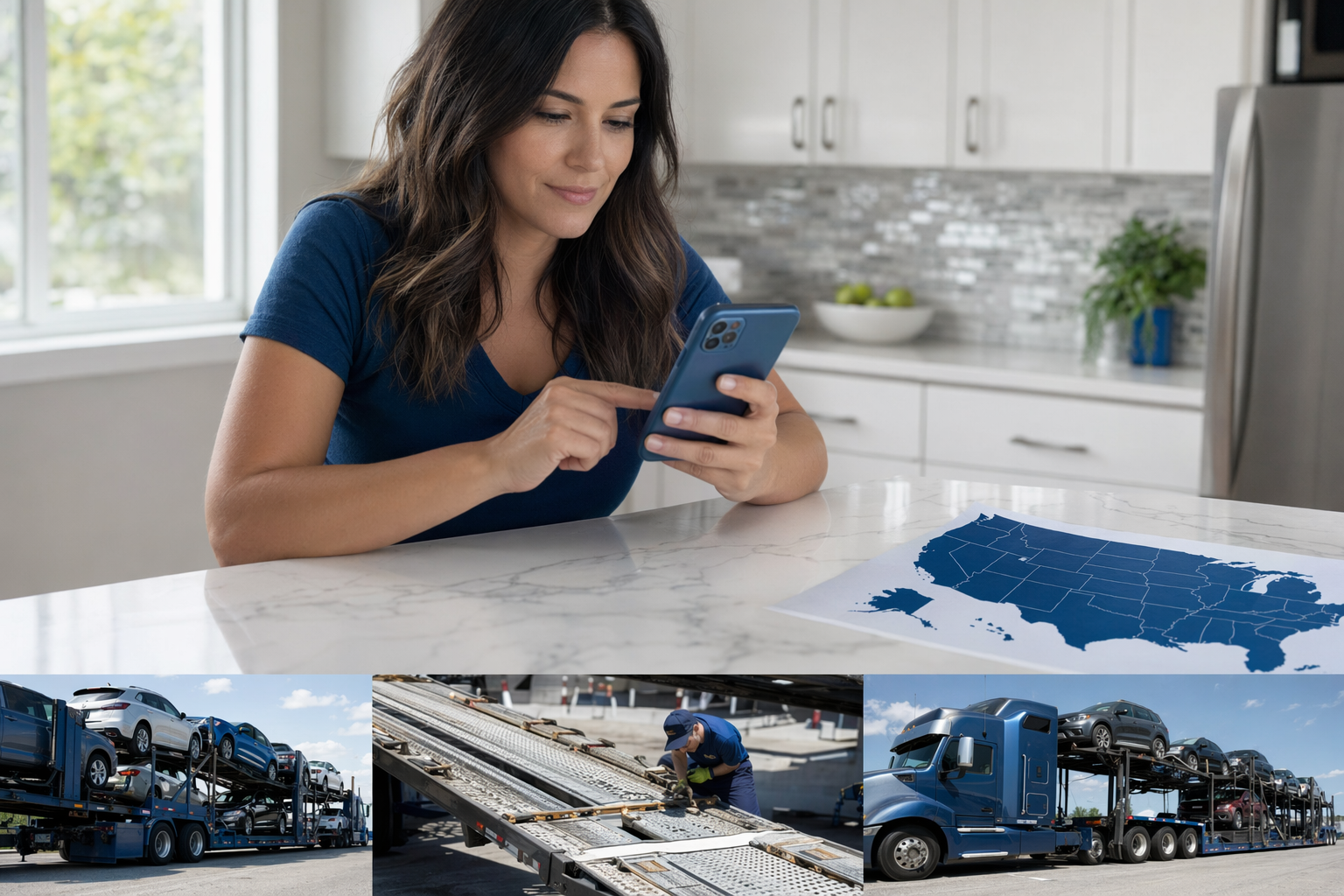
Most online car buyers choose open transport. It is the standard option, widely available, and usually the lowest-cost way to move a running car. For everyday sedans, SUVs, and pickup trucks, open transport is often the practical choice.
Enclosed transport costs more, but it gives the vehicle more protection from road debris and weather. It is often used for classic cars, exotic vehicles, high-value models, or cars with delicate paint or modifications. A typical enclosed shipment may cost about 30% to 60% more than open on the same lane.
Then decide on delivery style. Door-to-door is the most common. The carrier picks up and drops off as close to the addresses as safely and legally possible. If your street is tight, low-clearance, gated, or restricted for large trucks, the carrier may ask to meet nearby in a parking lot or along a wider road. Terminal shipping can be an option on some routes, but it is less common and less convenient for many buyers.
If the seller is at a dealership, auction yard, or storage lot, confirm their release rules first. Some locations need an appointment, a buyer order, or a lot number before they will release the vehicle to the driver.
What information to get from the seller before dispatch
A shipment goes more smoothly when the car is truly ready to release. Before you ask to be matched, collect the exact pickup address, delivery address, and a phone number for both sides. You should also confirm whether the car runs, rolls, steers, and brakes. A non-running vehicle can still ship on some routes, but it usually costs more and needs the right trailer setup.
Ask the seller for these details:
- Year, make, model, and trim
- Whether the car runs and drives
- Ground clearance and any modifications
- Approximate pickup availability
- Exact pickup contact name and phone
- Any lot number, gate code, buyer order, or release form needed
- Photos showing current condition
If the car was bought from an auction or online marketplace seller, ask how many free storage days are left. Some facilities charge daily storage if the car is not picked up on time. That charge is separate from transport and can change the timing of your pickup window.
LaneFerry only collects contact and shipment details to help you compare options. It does not ask for bank details, card numbers, SSNs, or payment information.
Typical costs and timing when you buy online
Online car purchases often have extra timing pressure. The seller may want the vehicle gone quickly, or the auction yard may have a release deadline. That does not mean you should rush into the cheapest quote. Very low pricing often leads to delays because carriers usually choose loads that pay enough for the lane.
Typical estimate ranges for a standard running sedan on open transport:
- 0 to 500 miles: about $400 to $800
- 500 to 1,000 miles: about $700 to $1,100
- 1,000 to 1,500 miles: about $900 to $1,400
- 1,500 to 2,500+ miles: about $1,100 to $1,800
Larger SUVs, pickup trucks, lifted vehicles, and non-running cars usually cost more. Enclosed transport is usually higher than open. Rural pickups and deliveries can also add cost because the route is harder to cover.
For timing, a typical pickup window is 1 to 5 days on many common lanes, but some routes take longer. Transit may be 1 to 3 days on short routes, 3 to 6 days on mid-range routes, and 7 to 10 days or more for cross-country lanes. If you need the car moved faster, expedited car shipping may be available on some routes, but it usually costs more and still should not be treated as a guaranteed date.
For a fuller breakdown, see what it costs.
How to compare offers without getting burned
When you are buying a car online, it is easy to focus only on getting the vehicle released. Slow down and compare the offers carefully. You are choosing the company you will book with, and you should confirm the price and pickup window in writing before you commit.
Watch for these red flags:
- A quote far below the others on the same route
- Pressure to book today or lose the rate
- No USDOT or MC number provided
- Large upfront deposits without clear written terms
- Vague answers about pickup window, insurance, or dispatch
- No written confirmation of the route, vehicle, and total price structure
Before booking, verify the carrier or broker's USDOT/MC number and insurance yourself. Ask who will actually move the car, what the pickup window is, and whether the car is going on open or enclosed transport. Confirm any extra charges that could apply for non-running condition, oversized tires, personal items, auction release problems, or rural access.
If you want a checklist, how to vet a car shipping company covers the basics in plain language. LaneFerry is a free matching service, so you can compare licensed, insured carriers and brokers without paying for the match itself. Help is often available in more than one language if you are arranging the shipment from another city or from outside the US.
Before pickup and at delivery
Once the route is booked, get the car ready for release. The seller should leave the keys available, remove loose personal items unless the carrier allows a small amount, and make sure the battery has enough charge if the vehicle runs. Photos taken before pickup matter. They help document the car's condition before it goes on the trailer.
Use this simple checklist before pickup:
- Confirm the pickup contact will answer the phone during the pickup window.
- Make sure the release paperwork is ready.
- Take clear photos from all sides, plus close-ups of any existing damage.
- Check fuel level. About a quarter tank is typical for a running car.
- Remove toll tags and secure or fold mirrors if needed.
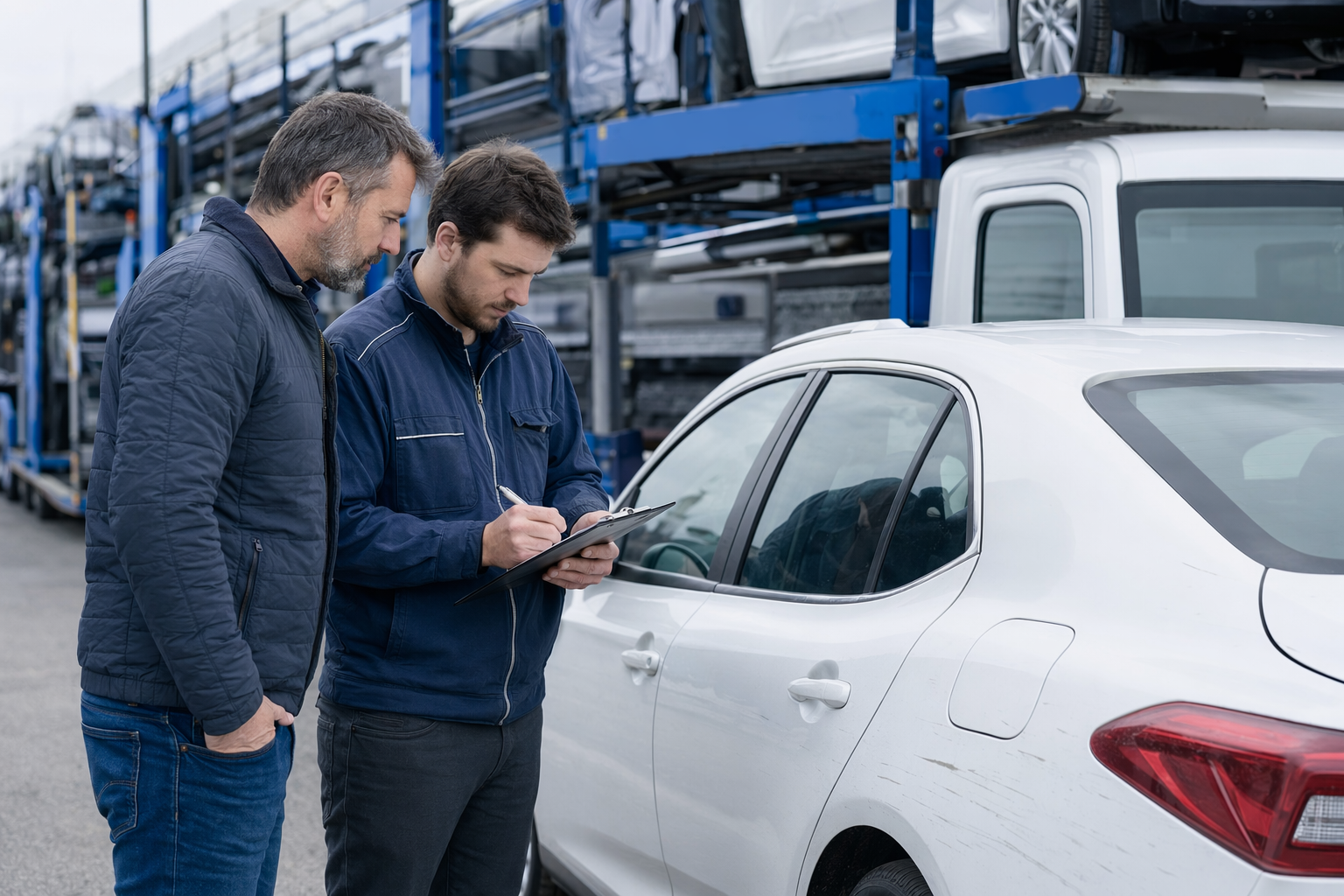
At delivery, inspect the car before signing the final paperwork. Compare the condition to the pickup photos and note any new damage on the bill of lading right away. Confirm claims procedures and coverage details directly with the carrier. This is general information, not legal or insurance advice.
If you need a prep list, prepare your car for shipping is a good place to start.
If you bought a car online, get the route and release details first, compare realistic shipping ranges, and only book after you verify the company's USDOT/MC number, insurance, and written pickup window.