How long it takes to ship a car
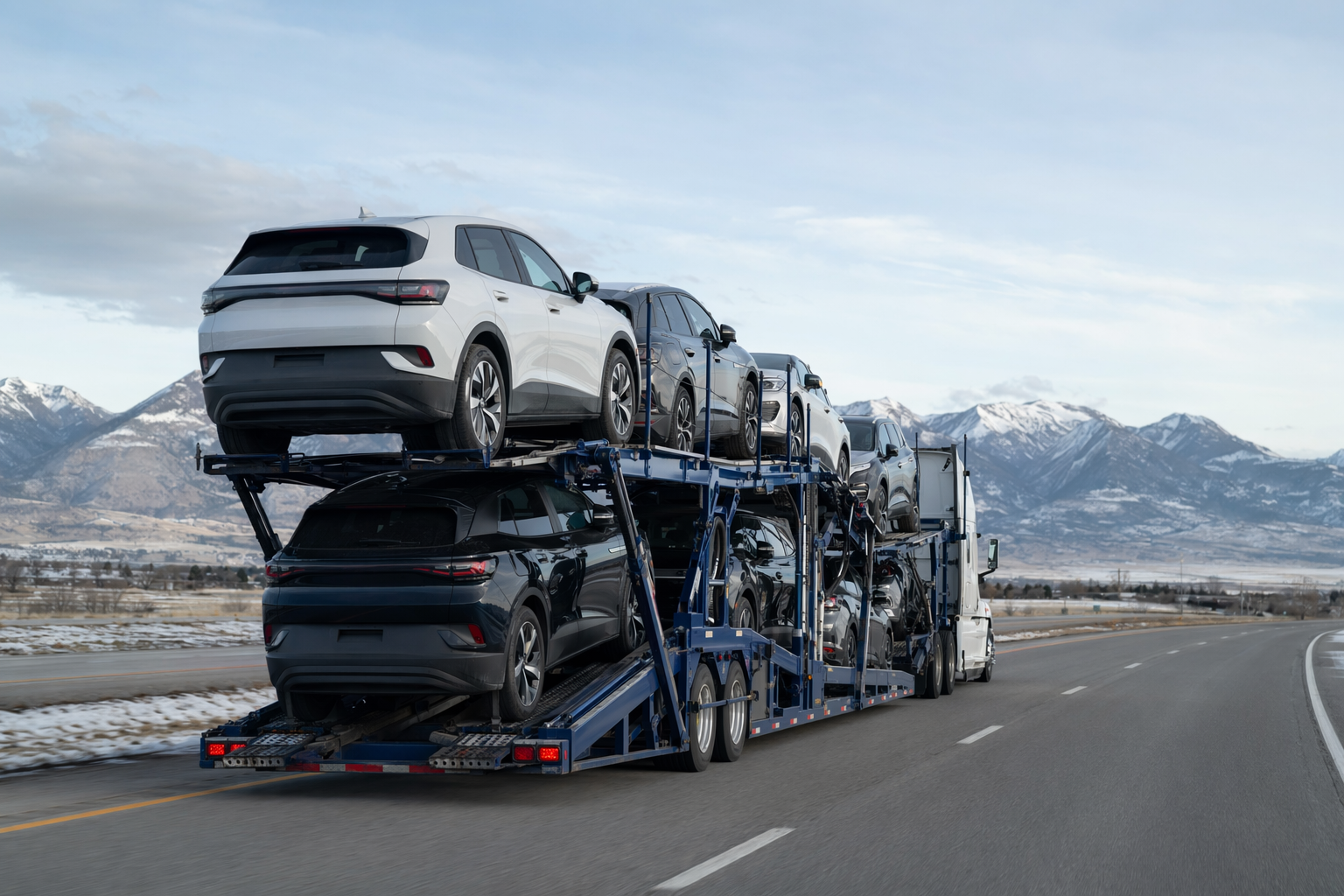
Car shipping time starts with the route. A short interstate lane may move in a few days, while a cross-country route usually takes longer because of dispatch timing, distance, weather, and truck capacity. These are typical windows, not guarantees.
Typical car-shipping timelines by route
Transit time depends first on where the car is going. Busy lanes between major cities usually move faster than rural pickups or remote delivery points. The other part is the pickup window, which is the time before the car is loaded onto a truck.
Typical windows for standard shipping:
- 0 to 500 miles: about 1 to 3 days in transit
- 500 to 1,000 miles: about 2 to 4 days in transit
- 1,000 to 1,500 miles: about 3 to 5 days in transit
- 1,500 to 2,000 miles: about 4 to 6 days in transit
- 2,000 to 3,000 miles: about 5 to 8 days in transit
For many shipments, the full timeline is pickup window plus transit time. A common pickup window is 1 to 5 days on a standard order, but it can run longer on slower lanes or during busy seasons. So a cross-country move that takes 5 to 8 days on the road may take around 6 to 13 days total from first available date to delivery.
If you are new to the process, start with how car shipping works so the timing terms make sense before you compare quotes.
What makes one shipment faster or slower

Distance matters, but it is not the only thing. The lane matters just as much. A car going from one major metro area to another on a common route is often easier to dispatch than a car starting in a small town far from an interstate.
The biggest timing factors are:
- Route demand: High-volume lanes usually move faster.
- Pickup and delivery location: Urban areas are usually easier than rural roads, gated communities, or tight residential streets.
- Season: Summer, holiday periods, snow, and storm season can slow both pickup and transit.
- Vehicle type: Standard running cars are simpler to place than oversized vehicles, lifted trucks, or non-running cars.
- Trailer type: open transport is usually faster to arrange than enclosed auto transport, because there are more open carriers on most lanes.
- Timing flexibility: If you can give a wider pickup window, you often have more options.
Door-to-door service is convenient, but it does not always mean the truck can reach your exact address. If the street is narrow, has low branches, or local rules limit truck access, the carrier may arrange a nearby safe meeting point. That can save time compared with trying to force a truck into a difficult stop.
Expedited shipping can reduce the wait for pickup on some routes, but it usually costs more and still does not create a guaranteed delivery date. Confirm the pickup window and total price in writing before you book.
How long open, enclosed, and door-to-door usually take
Most people choose open transport because it is the most common setup on US lanes. On the same route, open transport is usually the easiest to dispatch and often the quickest to find. Enclosed transport can take longer to schedule because there are fewer enclosed trailers and they tend to serve more selective routes.
Typical timing differences:
- Open transport: Usually the fastest option to schedule on common lanes.
- Enclosed transport: May add time to the pickup window, especially on less common routes.
- Door-to-door: Usually the standard setup, but exact curbside pickup is not always possible.
- Terminal service: Less common today. In some cases it can help with difficult locations, but it may add handling steps and waiting time.
If timing matters more than trailer type, ask for both open and enclosed options and compare the pickup windows in writing. If convenience matters most, read more about door-to-door shipping and ask whether your addresses are truck-accessible.
For long-distance moves, especially coast to coast, look at the lane first and not just the mileage. A busy 2,000-mile route can move more smoothly than a shorter but less common route.
A realistic timeline from booking to delivery
Here is a practical way to think about the full process. The calendar starts before the truck is on the road.
- Request matches and compare offers. Review the route, trailer type, estimated price range, and pickup window.
- Choose a licensed, insured carrier or broker and confirm the price and pickup window in writing.
- Get ready for pickup. Clean out personal items, check the fuel level, and take photos of the car's condition. See how to prepare your car for shipping.
- Wait for dispatch and pickup. Standard orders often pick up within 1 to 5 days, but some lanes take longer.
- Transit to delivery. This is the on-the-road portion, often 1 to 8 days depending on distance and route.
- Final delivery timing. Delivery can shift by a day or two because trucks run into traffic, weather, mechanical issues, and earlier customer stops.
A few realistic examples:
- Atlanta to Miami: often about 1 to 3 days in transit, plus pickup window.
- Chicago to Dallas: often about 2 to 4 days in transit, plus pickup window.
- Los Angeles to New York: often about 5 to 8 days in transit, plus pickup window.
These are typical ranges only. The real number depends on the route, the vehicle, the season, and how flexible your dates are.
How to avoid delays and bad surprises
The fastest shipment is usually the one that is set up clearly from the start. Give accurate addresses, say whether the car runs, and mention anything unusual about the vehicle size or ground clearance. A carrier can lose time if the job details change after dispatch.
Use this checklist before you book:
- Verify the carrier or broker's USDOT and MC number yourself.
- Ask for proof of insurance and confirm coverage details directly with the company.
- Get the total price, pickup window, and trailer type in writing.
- Ask whether the route is door-to-door or if a nearby meeting point may be needed.
- Confirm how the company handles updates during transit.
Watch for common scam or overcharging signals:
- A quote far below the others on the same lane
- Pressure to book today
- Large upfront deposits
- No USDOT or MC number
- Vague answers about insurance, dispatch, or pickup timing
LaneFerry is a free matching service. It does not move vehicles or broker shipments. It helps you compare options from licensed, insured carriers and brokers, often with help in your own language. Before you choose, read how to vet a car-shipping company and use the route details to compare like with like.
What the timeline means for cost
Faster shipping usually costs more, especially if you need a narrow pickup window or expedited service. The route still comes first. On a common lane, standard open transport may be both faster and less expensive than enclosed or expedited service.
Very broad cost ranges for standard open transport on common routes often look like this:
- Shorter interstate moves: about $400 to $900
- Medium-distance moves: about $700 to $1,200
- Cross-country moves: about $1,000 to $1,800
- Enclosed transport: often about 30% to 60% more than open on the same route
These are estimate ranges, not quotes. Price depends on route, vehicle size, season, fuel, timing, and whether the car is running. If a quote is much lower than the rest, ask why. Sometimes a low number is used to win the booking, then the pickup gets delayed or the price changes later.
If you want current estimate ranges by lane, start with what it costs or request free matches at /get-matched/.
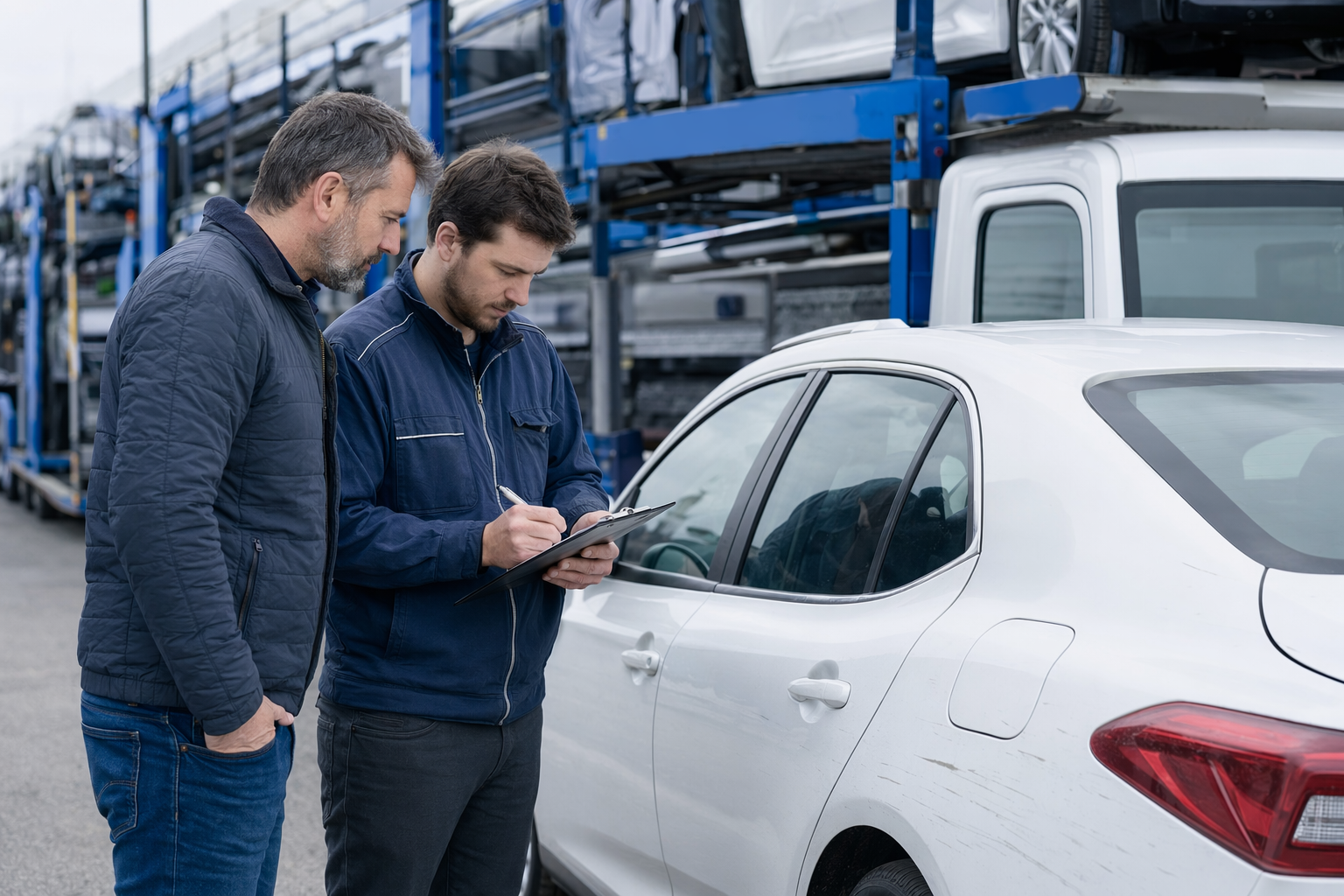
Most cars ship in a few days to about a week on the road, but the real timeline is pickup window plus transit time, and both depend on the route.