What it costs to ship a car cross-country
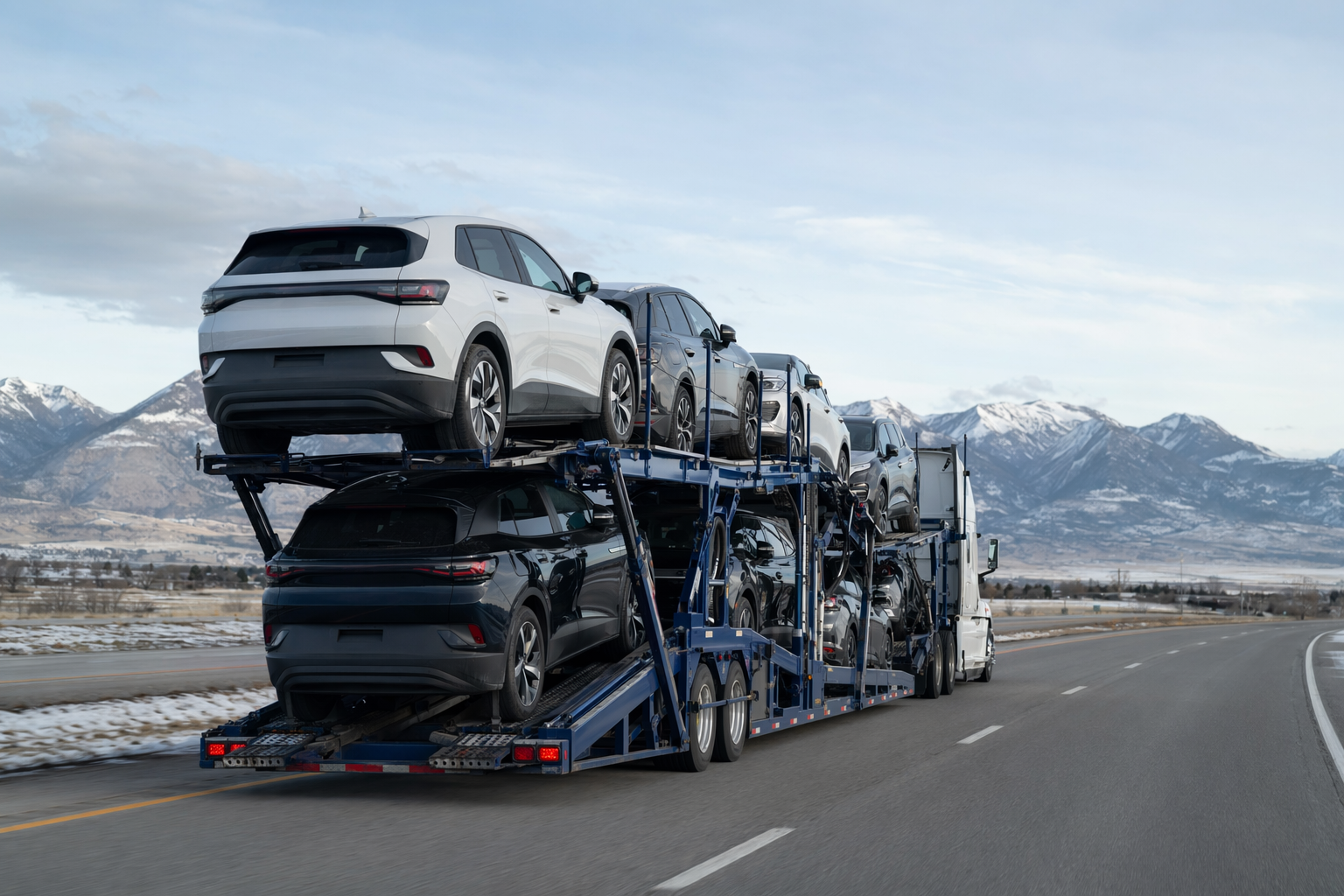
Cross-country car shipping starts with the lane: where the car is going from, where it is going to, and how flexible your pickup window is. Most standard cars on common routes move for about $900 to $1,800 on open transport, while enclosed, rural lanes, larger vehicles, and faster timing usually cost more.
What drives the cost on a cross-country lane
The biggest factor is the route. A car moving between major metro areas on a common lane usually costs less than a car going to or from a small town. More trucks run busy interstate routes, so pricing is often better and pickup windows are usually shorter.
Then come the choices that change the number: open transport or enclosed transport, door-to-door or a nearby terminal, standard timing or expedited dispatch, and the vehicle itself. A compact sedan is usually easier to place than a lifted truck, oversized SUV, or inoperable vehicle.
Season matters too. Summer, snowbird season, and holiday weeks often cost more. Winter weather can also change both price and transit time on northern lanes. If your dates are flexible by a few days, you will usually see more workable options.
The real number depends on route, vehicle, season, and timing. Treat any online figure as an estimate, not a promise. Before you book, confirm the final price and pickup window in writing with the carrier or broker you choose.
Typical cross-country price ranges

For a standard running sedan on open transport, these are typical cross-country estimates on common lanes:
- 1,500 to 2,000 miles: about $900 to $1,400
- 2,000 to 2,500 miles: about $1,000 to $1,600
- 2,500 to 3,000 miles: about $1,100 to $1,800
For enclosed transport, a typical range is often about 30% to 70% higher than open, depending on the lane and season. So a shipment that might cost $1,200 on open transport could land closer to $1,600 to $2,000 or more in enclosed service.
A few things can push the number up fast:
- Rural pickup or delivery points far from truck routes
- Large vehicles, modified vehicles, or non-running vehicles
- Very tight timing or expedited shipping
- Peak season demand
If you want a route-specific breakdown, see what it costs. Use ranges to plan, then compare actual offers on your lane. A quote far below the others is a warning sign, not automatically a bargain.
Open vs enclosed, door-to-door vs terminal
Most people shipping cross-country choose open transport. It is usually the lowest-cost option and works well for everyday vehicles. Enclosed transport costs more, but it can make sense for classic, exotic, luxury, or newly restored cars because the vehicle rides in a covered trailer.
Door-to-door is the most common setup. That means the truck picks up and delivers as close to your addresses as safely and legally possible. On some streets, low branches, tight turns, HOA rules, or city restrictions can prevent a full-size carrier from entering. In that case, the driver may arrange a nearby meeting point such as a large parking lot.
Terminal shipping can sometimes lower the price on certain lanes, but it is less common than many people expect and may add inconvenience. You may need to drop off and retrieve the car during terminal hours, and storage rules can vary.
If you are new to the process, start with the route, then compare the trade-off. Open plus door-to-door is usually the simplest value choice. Enclosed is a premium option when the vehicle needs that extra level of protection.
Transit time and pickup windows: what is normal
Cross-country shipping is not like parcel tracking. Carriers build routes by lane, load order, weather, traffic, and delivery sequence. The pickup window matters just as much as the transit time.
Typical pickup windows are about 1 to 5 days on common routes, though some lanes can take longer. Typical transit time for a true cross-country shipment is often about 7 to 10 days, and some coast-to-coast moves can run about 8 to 12 days depending on the route and season.
If someone promises a guaranteed pickup tomorrow and a guaranteed delivery date at a rock-bottom price, slow down. Real dispatch changes. Weather, driver hours, truck availability, and route changes all affect timing.
A better way to plan is to ask for two things in writing before booking:
1. The total price
2. The pickup window
If you need a faster lane, ask whether expedited service is available and what range that usually adds. It may help, but it still should not be sold as a guaranteed outcome.
How to compare offers without getting overcharged
When you get matched with companies on your lane, compare the full offer, not just the first number. A cheap starting quote can become expensive later if fees, delays, or weak communication show up after you commit.
Use this simple checklist:
- Verify the company's USDOT and MC number yourself
- Confirm active insurance and ask what is covered
- Check whether the vehicle is moving on open or enclosed transport
- Confirm door-to-door or terminal handling
- Get the total price and pickup window in writing before booking
- Ask about any cancellation terms, storage charges, or inoperable fees
Watch for common auto-transport scams and pressure tactics:
- A quote far below the others on the same lane
- Large upfront deposits
- No USDOT or MC number
- Pressure to book today or lose the rate
- Vague answers about who is actually handling the shipment
If you want a step-by-step vetting list, read how to vet a car shipping company. LaneFerry is a free matching service, so you can compare options without paying us a fee. You choose who to speak with and who to book with.
A simple way to plan your cross-country shipment
Start with the lane. Write down pickup city, delivery city, vehicle year/make/model, whether it runs, and your target pickup window. Those details shape both price and dispatch options more than anything else.
Then decide your trade-offs:
- Open or enclosed
- Door-to-door or terminal if available
- Flexible dates or tighter timing
- Standard service or faster dispatch if offered
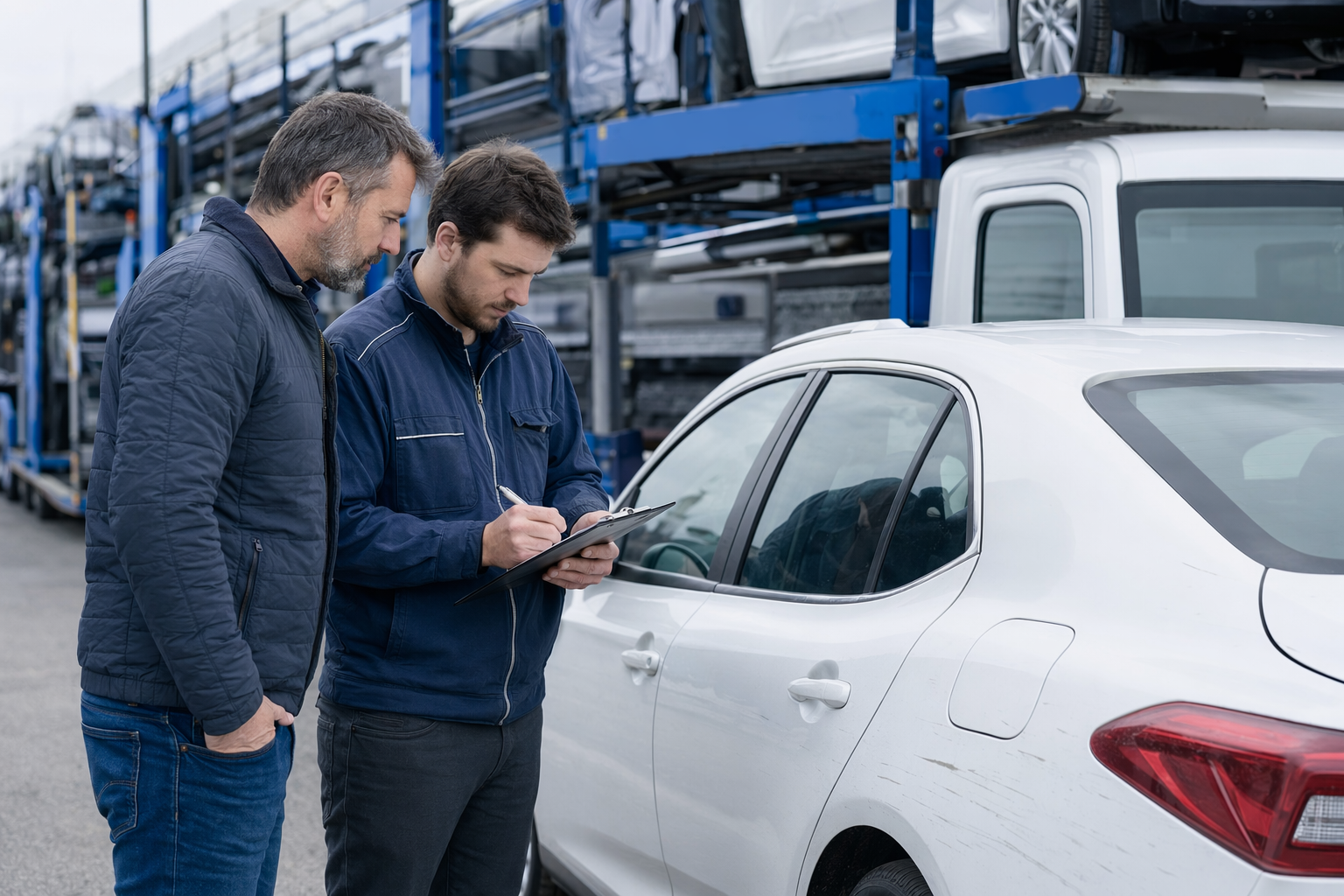
Before pickup, prepare the car so there are fewer surprises. Remove personal items, keep about a quarter tank of gas, take photos, and make sure the carrier's inspection notes match the car's condition. You can review the full process in how car shipping works and get ready with prepare your car for shipping.
If you want to compare real options on your route, you can get matched for free. Share contact and shipment details only. Then verify the USDOT/MC number and insurance yourself, compare offers carefully, and confirm the price and pickup window in writing before you book.
Cross-country car shipping usually costs about $900 to $1,800 for a standard car on open transport, but your real price depends on the route, vehicle, season, and timing.