How car-shipping deposits and payment work
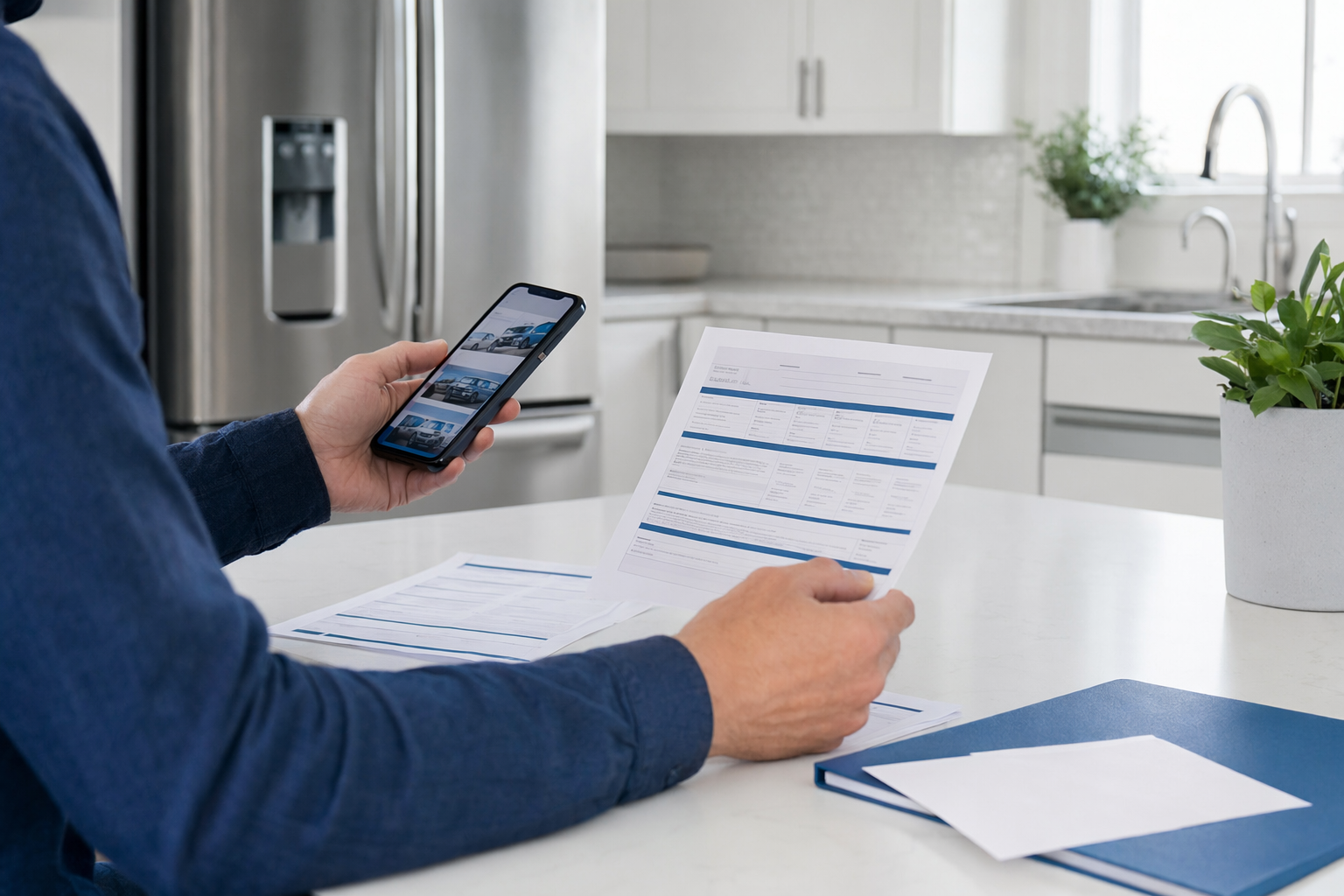
Payment usually happens in two parts: a booking deposit, then the balance at pickup or delivery. The exact amount, timing, and payment method vary by route, vehicle, season, and the company you choose, so get the full payment terms in writing before you book.
How payment usually works on a car-shipping lane
Start with the route. A short interstate lane with flexible timing may have different payment terms than a cross-country route, an enclosed shipment, or an expedited pickup. The payment structure is often similar, but the numbers can move based on how hard the route is to cover.
In most cases, payment is split into two parts:
- A deposit or booking fee when you accept an offer
- The remaining balance when the vehicle is picked up or delivered, depending on the company's terms
Typical deposit ranges are often about $100 to $300 on standard routes, but they can be higher on longer lanes, enclosed transport, or tighter pickup windows. The total shipment cost is still what matters most. A lower deposit does not always mean a better overall deal.
Before you agree to anything, ask for the full price, the pickup window, and when each payment is due. If you are still comparing options, what it costs and how car shipping works can help you see how route and timing affect the number.
What the deposit is for, and what it is not

A deposit is usually a booking payment tied to reserving your shipment on a lane. It may cover the company's work arranging the shipment or holding your order for dispatch. It is not a guarantee that your car will be picked up on an exact day, and it is not proof that a specific carrier is assigned unless that is clearly confirmed in writing.
This is where people get tripped up. Some customers hear "booked" and assume the truck is already set. On many lanes, booked simply means your order is accepted and moving toward dispatch within a pickup window.
Ask these questions before you pay a deposit:
1. Is the deposit refundable, partially refundable, or non-refundable?
2. At what point does it become non-refundable?
3. Is a carrier already assigned, or is the shipment still waiting for dispatch?
4. What is the pickup window?
5. If pickup is delayed, what happens to my deposit?
Get the answers by email or text, not just by phone. You want a written record of the price, the route, the vehicle, the pickup window, and the cancellation terms.
How the balance is usually paid
The remaining balance is often paid separately from the deposit. On some shipments, the balance is due at pickup. On others, it is due at delivery. The accepted payment method can also differ by carrier or broker.
Common balance payment methods include:
- Cash
- Cashier's check
- Money order
- In some cases, card or electronic payment, if the company offers it
Do not assume a card will be accepted for the final balance. Ask early, especially if you will not be there in person at pickup or delivery. If someone else will receive the vehicle, confirm exactly what payment they need to have ready and when.
Also ask whether the quoted price includes all standard route charges or whether there may be extra costs for things like a non-running vehicle, very large tires, significant modifications, difficult rural access, or a change from terminal to door-to-door shipping. The written confirmation should match the actual vehicle and route.
Warning signs around deposits, prices, and pressure tactics
The biggest payment problems usually start before the car is picked up. If a quote is far below the others on the same lane, treat that as a warning sign, not a bargain. Very low quotes can lead to delays, price changes, or pressure once your shipment is already in the system.
Watch for these red flags:
- A price far below the other quotes for the same route and timing
- A large upfront deposit before clear written terms are sent
- Pressure to book today or lose the rate
- No USDOT or MC number provided
- Refusal to explain refund terms
- Vague answers about pickup window, carrier assignment, or total cost
A reasonable company should let you verify the USDOT/MC number and insurance yourself. It should also explain whether you are booking with a carrier or a broker, and what that means for payment and dispatch. LaneFerry is a free matching service that helps you compare licensed, insured carriers and brokers. You choose who to book with, and you should still confirm the payment terms directly with that company in writing.
If you want a checklist, how to vet a car-shipping company covers the basics to verify before you send any deposit.
How to protect yourself before you pay
Keep it simple. Match the route, the service level, and the vehicle details first. Then look at the payment terms. Open transport on a common lane usually costs less than enclosed. A flexible pickup window usually costs less than rush service. If you need faster handling, expedited car shipping may cost more and may come with different deposit terms.
Use this step-by-step check before paying:
1. Confirm the full route: city, state, zip code, and whether it is door-to-door or terminal.
2. Confirm the vehicle: year, make, model, running condition, modifications, and whether there are personal items inside.
3. Confirm the service: open or enclosed, standard or expedited.
4. Ask for the total price range and the exact amount due at booking.
5. Ask when the balance is due and which payment methods are accepted.
6. Read the cancellation policy and refund terms.
7. Verify the company's USDOT/MC number and insurance yourself.
8. Get the price and pickup window in writing before booking.
Do not send financial account numbers, bank logins, or sensitive personal information. For matching, only share contact details and shipment details. If a company asks for unusual personal or financial information unrelated to the shipment, stop and verify who you are dealing with.
A clear written order should include the route, vehicle, service type, estimated price, pickup window, estimated transit time, payment schedule, and cancellation terms. Transit time is still an estimate, not a guarantee.
What is typical on cost, timing, and refunds
There is no single standard deposit for every lane. On a common open-transport route, a deposit might be around $100 to $300. On longer routes, enclosed transport, or harder-to-cover lanes, it can be higher. Total shipment cost for many open-transport moves may fall somewhere around $700 to $1,600 on common interstate and cross-country lanes, while enclosed transport is often higher. These are estimated ranges only, not quotes.
Typical pickup windows are often 1 to 5 days on standard lanes, with transit time commonly about 2 to 10 days depending on distance and route. Cross-country shipments can take longer. If timing is tight, ask whether the price assumes flexibility or a narrower pickup window.
Refunds depend on the company's terms. Some deposits are refundable if no carrier has been assigned. Some become non-refundable once the order is dispatched or once a carrier accepts the job. Others may charge an administrative fee if you cancel after booking. This is why the cancellation policy matters as much as the price.
The safest approach is straightforward: compare a few offers on the same lane, ignore prices that are suspiciously low, verify the USDOT/MC number and insurance yourself, and confirm the full payment schedule in writing before you commit.
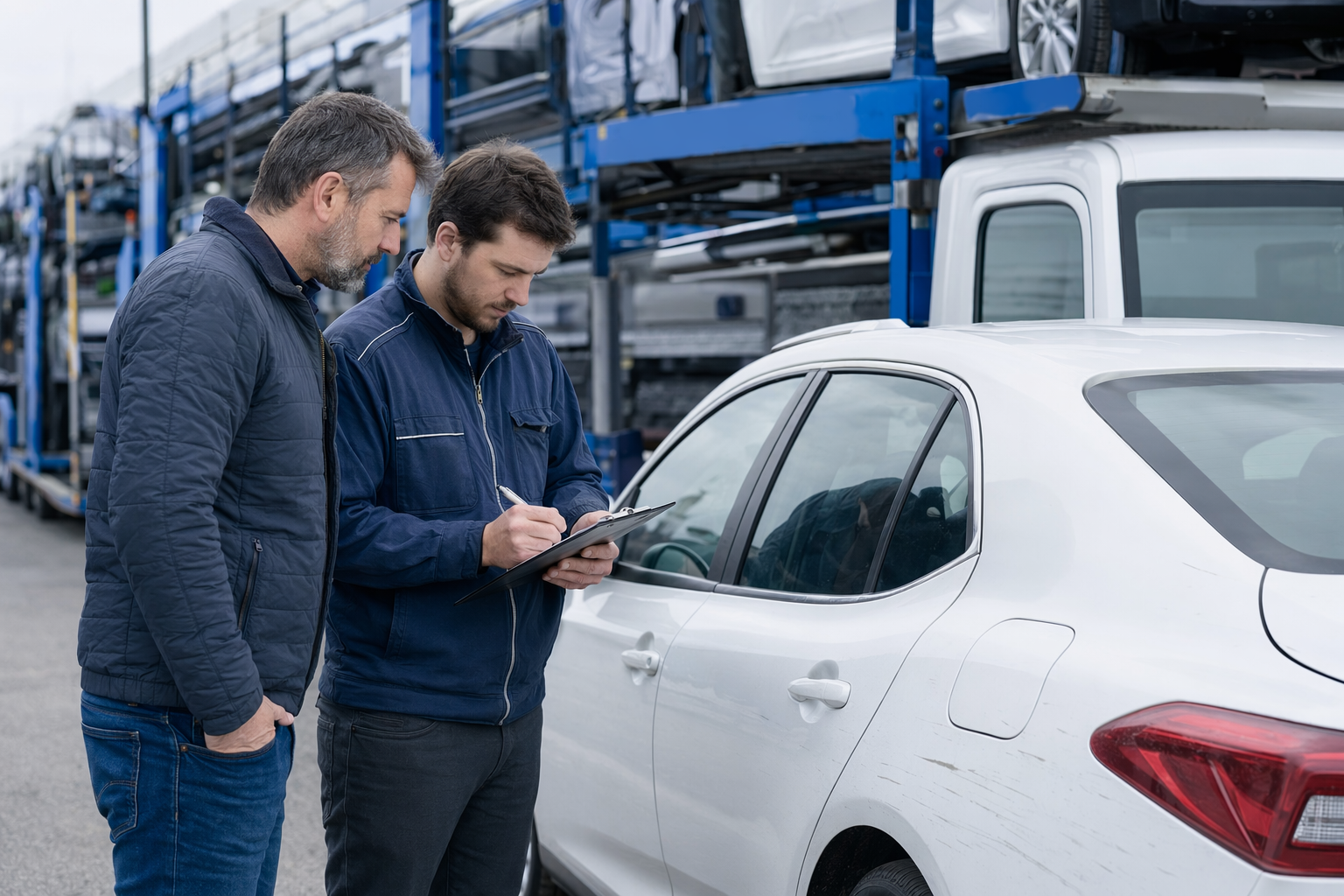
Pay attention to the full price, the deposit rules, and the pickup window, and do not book until the company gives you the terms in writing and you verify its USDOT/MC number and insurance yourself.