How a newcomer arranged car shipping after moving to the US
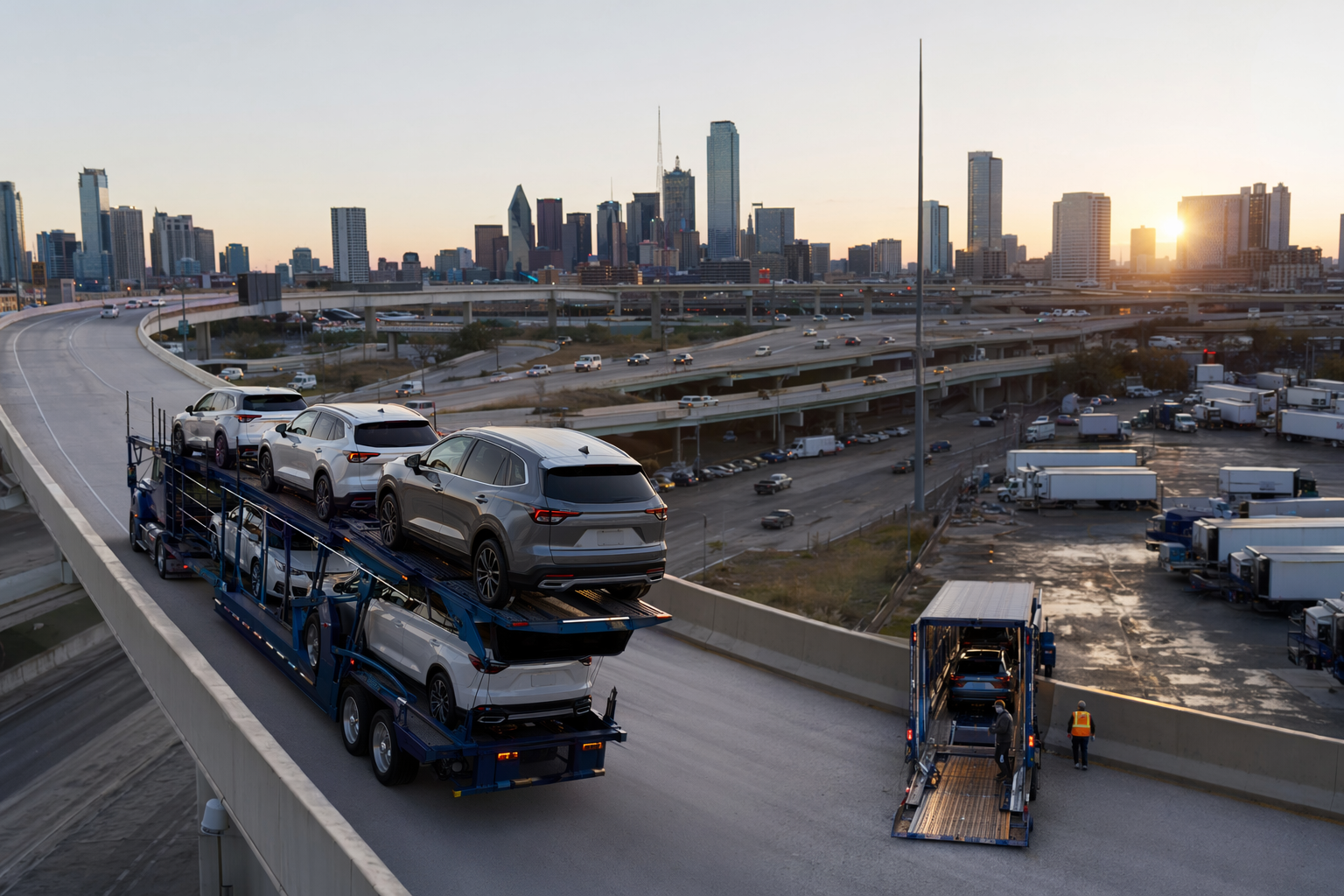
They had just moved to the US and needed their car shipped on an interstate route while they were still learning how the process works here. This is an anonymized story of how they used a free, multilingual matching service to compare options, ask questions in their own language, and book with a licensed carrier they chose themselves.
The route came first, not the quote
The first step was simple: map the lane. The customer was moving from one state to another and needed the car picked up near a residential address and delivered near a new apartment. Before anyone talked about price, they looked at the route, the vehicle, and the timing.
That matters because car shipping is lane-based. A busy route between major cities usually has more carrier traffic and more pricing options. A rural pickup, a tight delivery street, or a less common lane can change the pickup window and the typical cost.
They shared only the basic shipment details needed to get matched:
- name and contact information
- pickup and delivery ZIP codes
- vehicle year, make, and model
- whether the car runs
- preferred timing
No bank details, payment details, or Social Security number were needed. LaneFerry's role was only to match them, for free, with licensed carriers and brokers serving that route. It did not move the car or broker the shipment itself.
They got help in their own language and compared the right things

Because they were new to the US, the hardest part was not the route. It was the vocabulary. Terms like door-to-door, pickup window, dispatch, and enclosed transport were unfamiliar. Being able to ask questions in their own language helped them slow down and compare the options clearly.
Instead of chasing one number, they compared the trade-offs that actually affect the shipment:
- open vs enclosed
- door-to-door vs terminal
- flexible timing vs expedited timing
- busy metro route vs out-of-the-way pickup
For their route, open transport made the most sense. It is the standard option most people use, and it is usually the lower-cost choice on a common interstate lane. Door-to-door shipping also fit better than terminal service because they did not know the area well yet and wanted a simpler handoff.
They also learned an important point early: online prices are estimates, not guarantees. For a standard sedan on a moderate-distance interstate route, a typical market range might be around $700 to $1,200. For a longer cross-country lane, it might be closer to $1,000 to $1,800 or more. The real number depends on the route, vehicle size, season, and how tight the timing is.
What the matching process looked like
After submitting the route and vehicle details, they were matched with companies that said they could handle that lane. This gave them a short list to review rather than a random search across the internet.
From there, the process was practical:
1. Review the company details and shipment terms.
2. Ask about the estimated pickup window and typical transit time.
3. Confirm whether the rate was for open or enclosed transport.
4. Check whether door-to-door service was possible on both ends.
5. Verify the company's USDOT/MC number and insurance directly.
For their lane, the typical pickup window discussed was a few days, not same-day guaranteed service. The typical transit time was also a range, not a promise. On many interstate lanes, that may be about 3 to 7 days in transit. On longer routes, it may be 5 to 8 days or more depending on dispatch, weather, traffic, and route density.
That was one of the most useful lessons for a newcomer: a good company usually talks in windows and ranges. A company that promises an unrealistically low price or a guaranteed exact delivery date before the car is even dispatched deserves extra caution.
How they chose a company without guessing
They did not pick the first company that answered. They compared a few offers and looked for consistency. If one price was far below the others, they treated that as a warning sign, not a bargain.
They used a simple checklist based on how to vet a car shipping company:
- Is there a valid USDOT/MC number?
- Is insurance on file, and can the company explain the coverage clearly?
- Is the price confirmed in writing?
- Is the pickup window confirmed in writing?
- Are there clear terms for a running or non-running vehicle?
- Is there pressure to book right now or pay a large upfront deposit?
They ruled out one option because the quote was much lower than the others and the answers about dispatch were vague. Another pushed them to book immediately. The company they chose was not the cheapest, but the route details were clear, the communication was steady, and the written terms matched what had been discussed.
That is often the better way to choose. You compare the offers. You ask direct questions. You verify the USDOT/MC number and insurance yourself. Then you book only after the price and pickup window are confirmed in writing.
Pickup, transit, and delivery were straightforward once expectations were clear
Once booked, the next step was preparation. They removed personal items, checked the fuel level, and made sure the car could be inspected at pickup. A simple photo record also helped. If you are arranging your first shipment, prepare your car for shipping is worth reviewing before the truck arrives.
Pickup did not happen at an exact hour a week in advance. It happened within the agreed pickup window, which is normal in auto transport. Large carriers move by route and dispatch timing, so flexibility helps. On delivery, the same idea applied: the estimated arrival narrowed as the car moved along the lane.
Because the route and service level had been explained honestly from the start, there were no surprises about the process. The car moved on the expected lane, the transit time stayed within the typical window discussed, and the final handoff was handled with an inspection at delivery.
The key point in this story is not that every shipment goes the same way. It is that a newcomer can make good decisions if the route is clear, the terms are in writing, and the company is properly verified.
What this story shows if you are new to the US
If you are arranging car shipping for the first time, especially from another city or another country, the process can feel more complicated than it is. Start with the lane. Then compare service choices. Then compare estimated cost ranges and timing windows.
A free matching service can help by narrowing the search and making communication easier, including in your own language. LaneFerry does that part only. It connects you with licensed, insured carriers and brokers for your route. You review the options, choose the company, and confirm the details before you book. If you want a simple overview first, see how car shipping works.
A few plain warnings are worth remembering:
- be careful with a quote far below the others
- avoid anyone who will not share a USDOT/MC number
- be cautious with heavy pressure to book today
- confirm insurance, price, and pickup window directly in writing
That approach will not guarantee a perfect shipment, because routes, weather, traffic, and dispatch can change. But it will put you in a much better position to choose carefully and avoid common mistakes.

If you are new to the US, you can arrange car shipping by comparing a few matched options, checking the company's USDOT/MC number and insurance yourself, and booking only after the price and pickup window are confirmed in writing.