Shipping a car california to texas
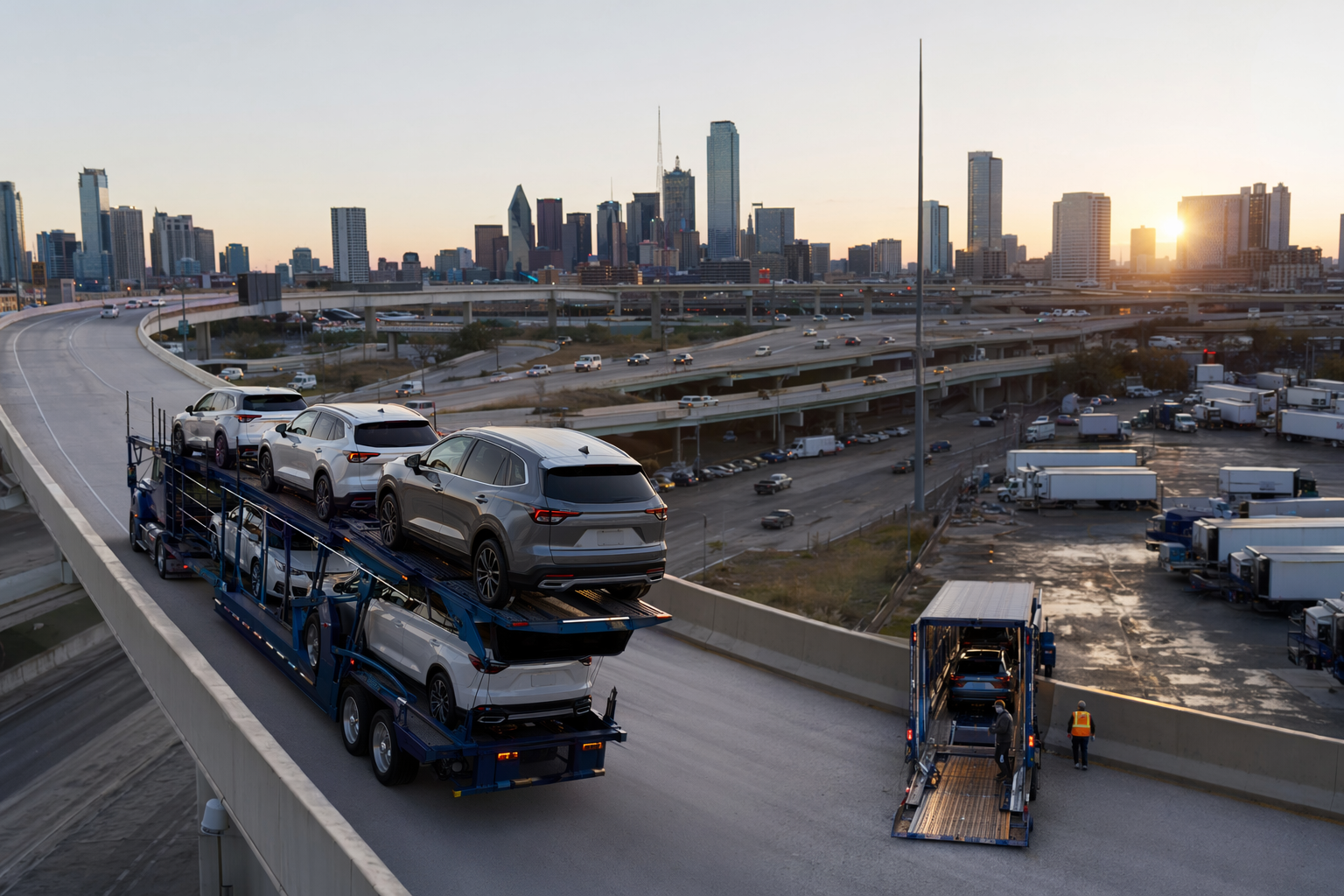
California to Texas is a busy car-shipping lane, which usually helps with pricing and scheduling. For most standard cars on this route, a typical estimate is about $850 to $1,250 with transit often around 3 to 5 days, but the real number depends on the exact route, vehicle, season, and pickup timing.
California to Texas car shipping: route first, then the price
This lane covers a lot of ground, so the first question is not just California to Texas. It is where the car actually starts and where it needs to go. Los Angeles to Dallas is a different lane from San Diego to Houston, and both are different from Sacramento to El Paso.
In general, metro-to-metro routes on this lane tend to be easier to schedule because carriers run those corridors more often. A standard sedan moving on open transport from a major California metro to a major Texas metro will often fall around $850 to $1,250. Smaller towns, remote pickup points, lifted trucks, inoperable vehicles, and tight timing can push the estimate higher.
Transit time is usually about 3 to 5 days once the vehicle is picked up, with a pickup window that can vary depending on dispatch conditions. Busy lanes can move quickly, but no one should promise an exact delivery day. Before you book, confirm the total price and pickup window in writing and verify the carrier's USDOT/MC number and insurance yourself.
What affects cost and transit time on this lane
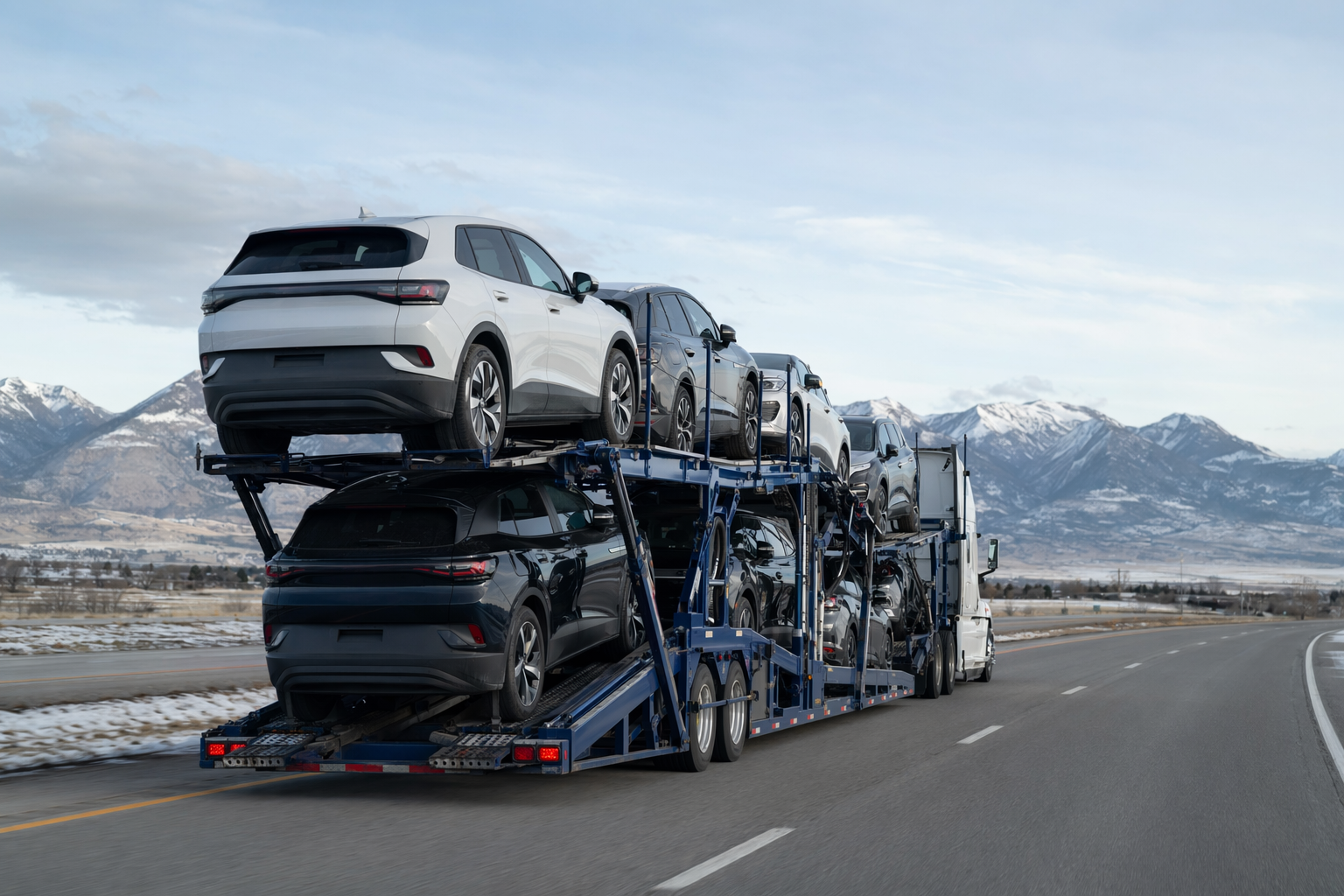
On California to Texas moves, distance is only part of the story. The exact lane matters. Los Angeles, Orange County, San Diego, San Jose, and the Bay Area usually have more carrier traffic than inland or rural pickup points. On the Texas side, Dallas-Fort Worth, Houston, Austin, San Antonio, and El Paso are common delivery markets, while smaller towns may require extra time or a meet point near a larger road.
A few things move the number up or down:
- Route density. Major metros on both ends are usually more competitive.
- Vehicle size and condition. SUVs, trucks, oversized vehicles, and inoperable cars usually cost more.
- Timing. Flexible pickup windows often price better than rush moves.
- Season. Summer demand, snowbird traffic, and holiday weeks can tighten capacity.
- Access. If a carrier cannot safely get down your street, door-to-door may shift to a nearby parking lot, terminal, or wider road.
If you are comparing offers, be careful with a quote that comes in far below the others. That can mean the price is not realistic for the lane, or that the pickup may stall until a higher-paying carrier accepts it. A practical guide is to compare several matches, read the terms closely, and use what it costs to understand how route, vehicle, and timing affect the estimate.
Open vs enclosed on California to Texas
Most cars on this lane ship on open transport. It is the standard choice, usually the lower-cost option, and it works well for everyday vehicles. For a typical California to Texas move, open transport is what most customers start with because the lane is active and carriers run it often.
Enclosed transport is usually chosen for high-value, collectible, exotic, or extra-low-clearance vehicles. It costs more, but it gives the car more protection from road debris and weather. On this lane, enclosed pricing is often several hundred dollars above open, sometimes more depending on the vehicle and dispatch timing.
The trade-off is simple:
- Open: lower typical cost, more common on this route
- Enclosed: higher typical cost, added protection for specialty vehicles
If you are deciding between the two, start with the vehicle's value, ride height, and your comfort level. You can also compare enclosed auto transport with open options before choosing a match.
Pickup and delivery realities in California and Texas metros
Door-to-door usually means as close to your address as a large transport truck can safely and legally get. In dense California neighborhoods, steep streets, apartment complexes, beach areas, gated communities, and tight urban parking can make direct curbside pickup hard. This comes up often in parts of Los Angeles, San Francisco, Oakland, San Jose, and older neighborhood streets near the coast.
Texas can be easier in many suburbs, but busy downtown zones in Dallas, Houston, Austin, and San Antonio still create access limits for large trucks. Construction, low branches, weight limits, HOAs, school traffic, and narrow turns can all affect where the handoff happens.
In practice, the driver may ask you to meet at a wider nearby road, a shopping center lot, a truck-friendly street, or another safe public location. That is normal on this lane and does not necessarily mean anything is wrong with the shipment. If exact home-address access matters to you, ask about door-to-door shipping and confirm the likely meeting setup before booking.
Whether the move starts in California or Texas, have your phone on during the pickup window and delivery window. Good contact matters on this lane because dispatch timing can shift with traffic, weather, and prior stops.
Seasonal notes for shipping from California to Texas
This lane moves year-round, but the season still changes the price and timing. Summer is one of the busiest periods because people relocate for school, jobs, military moves, and family transitions. When more people are trying to ship at once, prices can rise and pickup windows may get tighter.
Late fall and winter can also shift capacity. Holiday weeks slow things down. Rain in California, mountain weather on certain routes, and storm systems in Texas can affect transit. Texas heat is another practical factor in warmer months, especially for older vehicles, so it is smart to make sure the car is in good running condition before pickup.
Spring and early fall often bring steadier conditions on this lane, but there are no fixed rules. The best way to avoid overpaying is to book with a little lead time when you can, stay flexible on pickup by a day or two, and learn how car shipping works before you choose a carrier or broker match.
No matter the season, verify the carrier's USDOT/MC number and insurance yourself, and confirm the final price and pickup window in writing before booking. LaneFerry's role is only to match you, free of charge, with licensed, insured carriers and brokers for this route.
How to compare matches on this lane without getting burned
A California to Texas route usually gives you options, which is helpful if you compare them the right way. Focus on the full lane details, not just the first low number you see. Ask what the estimate includes, whether it is open or enclosed, what the pickup window is, and whether the car is going metro-to-metro or from a smaller town.
Watch for common red flags:
- A quote far below the rest
- Pressure to book today
- A large upfront deposit with vague terms
- No clear USDOT/MC number
- No proof of current insurance
You are the decision-maker. Compare the matches, choose the company you want to work with, and confirm the details in writing before booking. If you are new to the US or more comfortable in another language, help is often available in your preferred language, and the matching service is free to you. To review screening steps, use how to vet a car-shipping company before you move forward.
California to Texas is a common lane, but your real price and timing depend on the exact route, the vehicle, the season, and how flexible you are on pickup.