Car-shipping insurance, explained
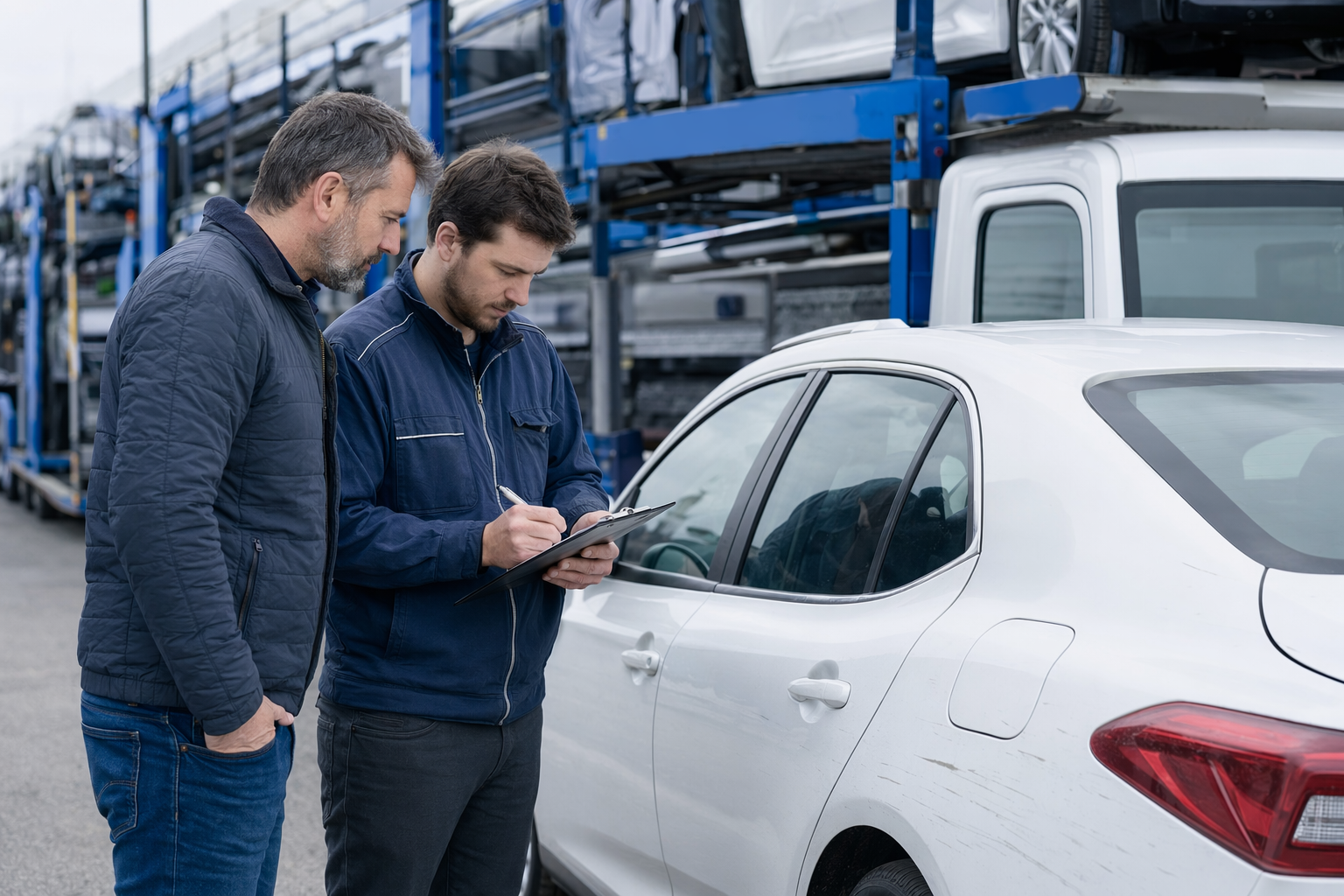
Insurance starts with the route: where the car is going, how it will travel, and who is actually carrying it. This guide explains what car-shipping insurance usually covers, what it may not cover, and how to confirm the details in writing before you book with a licensed carrier or broker you choose.
What car-shipping insurance usually means
When people say "shipping insurance," they usually mean the cargo coverage carried by the carrier that physically moves the vehicle. That is different from your own auto policy, and different again from any terms a broker may describe when arranging a shipment. LaneFerry is a free matching service. It does not move vehicles or broker shipments. It helps you compare licensed, insured carriers and brokers for your route.
Coverage usually applies while the vehicle is in the carrier's care, custody, and control during loading, transit, and unloading. The amount and terms can vary by carrier, trailer type, route, and the condition of the vehicle. That is why you should ask for the carrier's USDOT/MC number, verify insurance yourself, and confirm the coverage details in writing before booking.
A good first question is simple: who is the actual carrier on my lane, and what insurance do they carry for this vehicle? If a company cannot answer clearly, or will not provide the USDOT/MC number, that is a warning sign. For a plain overview of the process, see how car shipping works.
What is usually covered, and what often is not
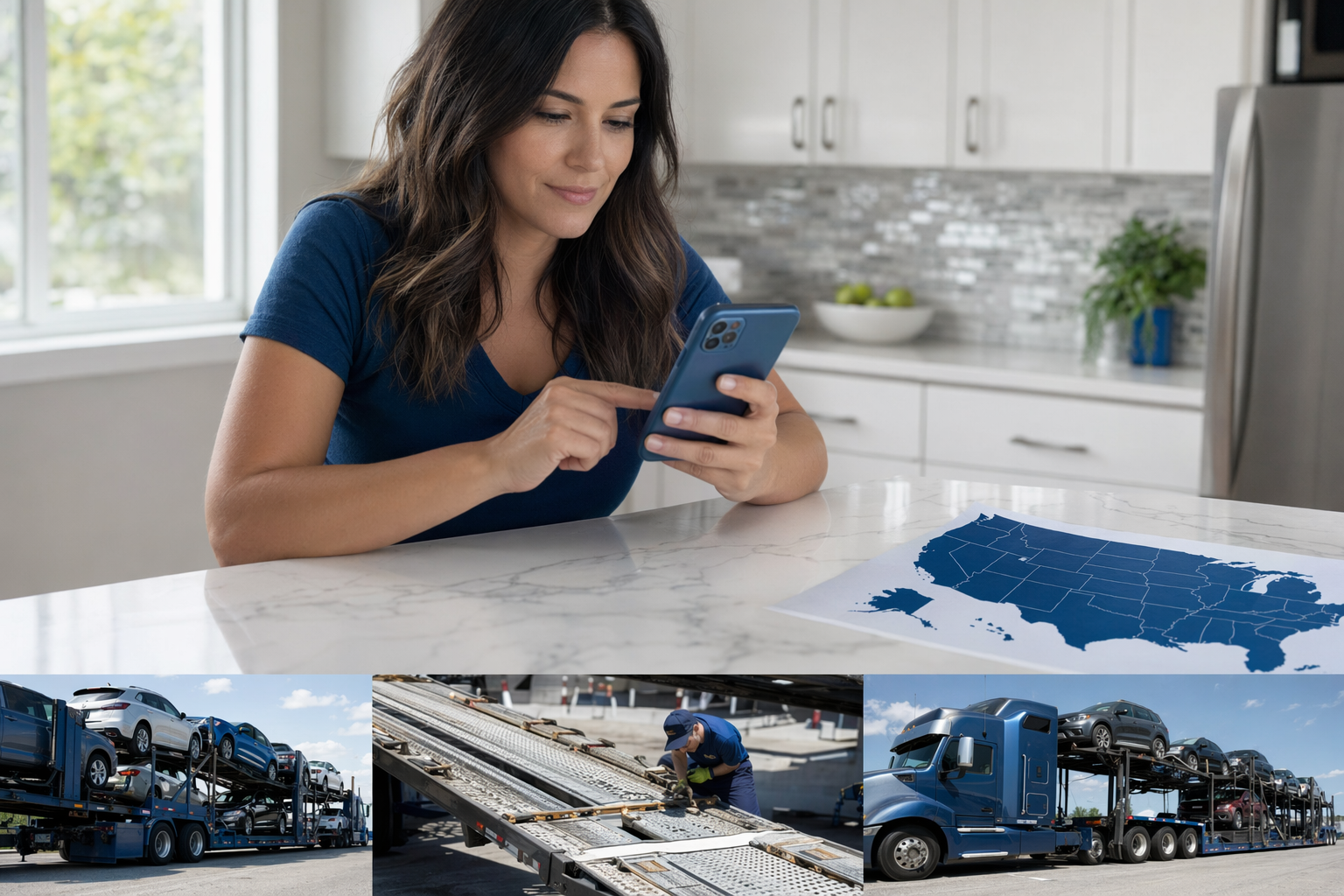
Most carrier cargo policies are meant to cover damage caused during transport. Typical examples may include damage from a loading issue, contact with equipment, or an incident during transit. Coverage is not one-size-fits-all. Limits, deductibles, exclusions, and claims procedures differ from one carrier to another.
What often is not covered, or may be limited, includes:
- Personal items left inside the car
- Pre-existing damage that was already there before pickup
- Mechanical failure not caused by the shipment
- Loose, fragile, or aftermarket parts that were not secured properly
- Low ground-clearance scraping risk if the vehicle was not disclosed accurately
- Damage that is not documented at pickup and delivery
Some carriers also set their own rules for convertibles, oversized trucks, lifted vehicles, antiques, or cars with custom body parts. If you are choosing between open transport and enclosed auto transport, remember that enclosed is often preferred for high-value, classic, exotic, or very low-clearance vehicles. It usually costs more, but some owners prefer the extra protection from road exposure.
The paperwork that matters before pickup and at delivery
The most important insurance document in a normal shipment is not a sales promise. It is the actual carrier information and the inspection record. Before booking, ask for:
- The carrier's legal company name
- USDOT/MC number
- Proof of active insurance
- Cargo coverage amount
- Any deductible or notable exclusion
- The pickup window and price confirmation in writing
At pickup, the driver or carrier representative usually completes a Bill of Lading or condition report. This is where the car's visible condition gets noted before transit. Take your own time-stamped photos and video from all sides, plus close-ups of wheels, bumpers, roofline, windshield, and any existing dents or scratches. Clean cars are easier to inspect accurately.
At delivery, inspect the vehicle before signing off. Compare it to your pickup photos and the Bill of Lading. If you see new damage, note it on the delivery paperwork right away, take clear photos, and ask for a copy of the signed record. If damage is not documented at delivery, a later claim can be harder to support. For more on inspection and preparation, see prepare your car for shipping.
How route, trailer type, and timing affect risk and cost
Insurance questions make more sense when you look at the lane first. A short, busy route between major cities usually has more carrier availability and simpler dispatch than a remote route that needs extra deadhead miles or a smaller truck. More access to carriers can mean more quote options, but it does not remove the need to verify insurance and terms yourself.
Trailer type matters too. Open transport is the most common option and usually the lower-cost choice. Enclosed transport typically costs about 30% to 60% more on many lanes, though the exact difference depends on the route, season, and vehicle. Door-to-door service is common, but if your street has low trees, tight turns, HOA restrictions, or weight limits, the truck may use a nearby safe meeting point instead.
For ballpark planning, many standard sedan shipments on shorter interstate routes may fall around $500 to $900. Mid-length routes often land around $700 to $1,200. Cross-country routes are often around $1,000 to $1,800 on open transport, with enclosed commonly higher. Transit time is usually described as a pickup window plus time on the road. A common short-to-mid route may take 2 to 6 days in transit, while cross-country lanes often take 7 to 10 days, sometimes longer in peak season or on less common routes. These are estimates, not quotes or guarantees. You can compare more route examples at what it costs.
How to check insurance the practical way
You do not need to be an insurance expert. You do need to verify the basics yourself before you commit. Use this checklist:
- Ask who the actual carrier is, not just who gave the quote
- Get the USDOT/MC number and verify it independently
- Ask for a current certificate of insurance or other proof of active coverage
- Confirm the policy is cargo coverage for transported vehicles, not just general business insurance
- Ask whether there are exclusions for personal items, modifications, inoperable vehicles, or low-clearance cars
- Confirm who handles a claim and what the reporting deadline is
- Get the final price and pickup window in writing before booking
If the quote is far below the others on the same route, be careful. Very low prices can lead to delays, bait-and-switch pricing, or dispatch problems. Other red flags are pressure to book today, a large upfront deposit, vague answers about insurance, or refusal to share the USDOT/MC number. If you want a step-by-step screening list, see how to vet a car-shipping company.
LaneFerry only collects contact and shipment details so you can get matched for your route. It does not collect bank details, card numbers, or Social Security numbers. Help may also be available in your language, which can make it easier to review route details and ask the right insurance questions.
What to do if there is damage or a coverage dispute
Start with the delivery inspection. If there is new damage, note it on the Bill of Lading before you sign the final delivery paperwork. Take photos immediately, including close-ups and wider shots that show where the damage is on the vehicle. Keep copies of the pickup photos, delivery photos, and all emails or texts confirming the route, dates, and carrier details.
Then ask the carrier what their claim process requires and what deadline applies. Some carriers want written notice quickly, along with photos and repair estimates. Follow the written instructions they provide, and keep records of everything you send. If a broker was involved in arranging the shipment, they may help with communication, but the actual insurance is usually tied to the carrier that transported the car.
If the answers are unclear, stay factual and organized. Ask for the claim contact, policy details, and next steps in writing. Do not rely on verbal promises. If you are still comparing options for an upcoming move, you can start with a free route match at get matched and then confirm the insurance and booking terms directly with the carrier or broker you choose.
Car-shipping insurance is only as good as the actual carrier's coverage and paperwork, so verify the USDOT/MC number, insurance, price, and pickup window yourself before you book.